
Unwritten Rules You Should Know Before Visiting The Pacific Northwest
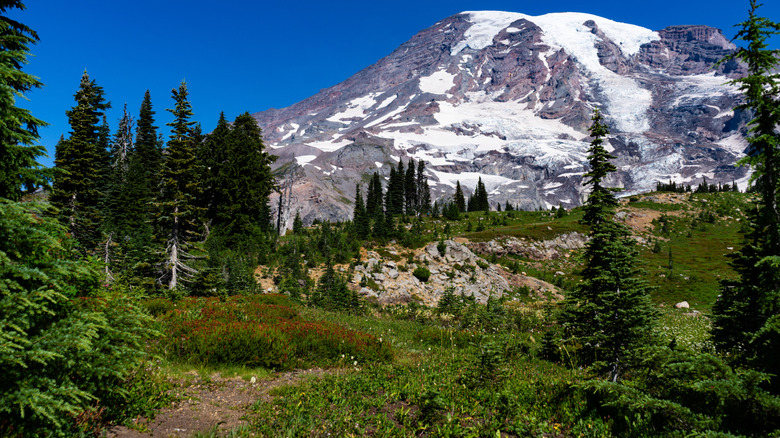
With enough mountains to fill five national parks, one of the world's most beautiful coastlines, volcanoes, lush forests, and glaciers, the Pacific Northwest is a nature lover's dream. While some confine the region to Oregon, Washington state, British Columbia, and parts of Idaho, it is widely accepted that it also includes northern California and parts of Alaska and Montana. Spread across these states, visitors who go for the great outdoors find trails for hiking, rugged beaches, and more. But the region is also home to some of the prettiest small towns and bona fide cities with celebrated food scenes and urban sights. Surrounded by nature, these cities come with more beauty than any large metropolis should legally have. And, of course, a famously active lifestyle in bigger ones like Seattle and Portland.
With this expansive range of destinations, you'll have plenty of moving parts to consider as you plan your trip. The rugged beaches and remote mountains can be extreme, with safety guidelines you'll want to keep in mind before you visit. And as with any other region, the culture — including that active lifestyle — comes with its own rules if you don't want to stick out. In addition to those considerations, these rules should help with trip planning so you can squeeze as much as possible into your time in the region.
Don't stay in one place
If ever there was a jack-of-all-trades destination, it's the Pacific Northwest. Straddling many states and famous destinations, the region overflows with all sorts of delights. This is probably why lots of visitors plan one grand road trip where they get to see a bit of everything, or split their vacation so they spend a few days in different areas around the territory. If you go this route, you'll have the best chance of enjoying all the diverse attractions.
Wine connoisseurs may be surprised to find that Washington state is the U.S.'s second-largest wine-producing region. For tastings, spend some time in the valleys and hills of the state, where you can explore some good wineries. Oregon and British Columbia also have their share of vineyards, so you can easily have an adventure if you prefer to stick to those states. Speaking of Oregon, if you're into history, budget a day for the historic sites on the Pacific Northwest's portion of the Oregon Trail for a peek back into the past.
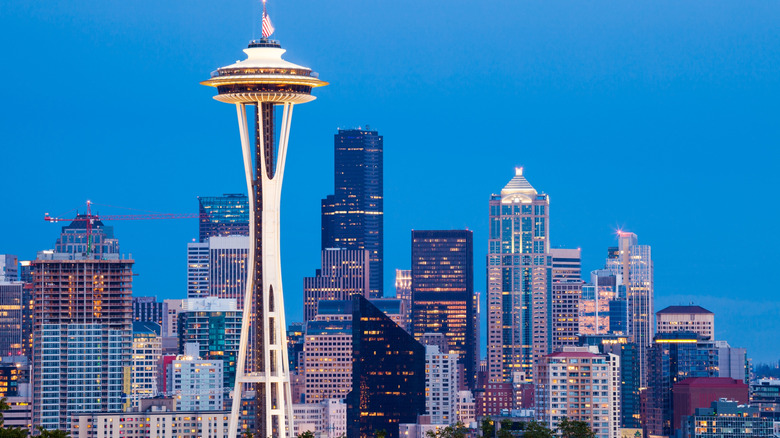
If you're a city lover, you'll find iconic spots like the Space Needle, museums, markets, and hopping food scenes in Portland and Seattle, so spend some time in one or both. For seafood lovers, Seattle will be the one to choose, as it's one of the top American cities for seafood. Both cities are gateways to some of the best natural havens in the U.S., so they're good bases if you want to explore the outdoors. Portland is within 4 hours of Crater Lake National Park and a day trip from some of Oregon's best beaches. And Seattle is within a few hours of three mountainous national parks. Needless to say, the whole region is a hiker's paradise.
Head to Oregon if you need a more accessible destination
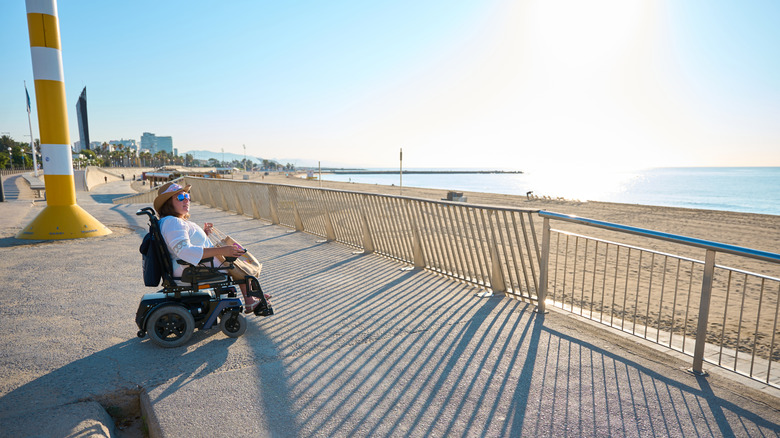
The challenges of traveling while disabled are wide and varied. Without someone to physically lift a wheelchair, users of the equipment can find it challenging to enter attractions or take showers in hotels without wheelchair-accessible facilities. Airports are always a challenge. And without special accommodations, those with hearing, seeing, and cognitive disabilities cannot always enjoy a destination to its fullest. If you or a member of your family has a disability and is headed to the Pacific Northwest, Oregon should be your destination, as the breathtaking state is the first in America to be officially 'accessibility-verified'.
The recognition came from Wheel The World, an organization that gave the accolade after verifying that accommodations, attractions, and services across all seven regions in Oregon had plenty of accessible options for people with disabilities. A few cities in Washington state, Idaho, and California also have the designation, but you'll have more choices in Oregon since every region is certified. The organization considered things like step-free access to attractions, roll-in showers in hotels, favorable policies on service animals, and accommodations for visual, hearing, and cognitive disabilities. If you have a disability and want the most comfortable stay, you can expect to find it in the state.
For lodging, consider Hotel Eastlund, BW Premier Collection in Portland or Ko-Kwel Casino Resort Coos Bay in North Bend. In Portland, the Oregon Historical Society, Portland Japanese Garden, numerous eateries, and more are verified to be accessible. And attractions like Hood River in the Mt. Hood and Columbia River Gorge area should also be accessible. Wheel The World's handy website lists many other options for each region, so it's a good resource to consult.
Check the webcams so you don't waste time visiting some parts of Olympic National Park
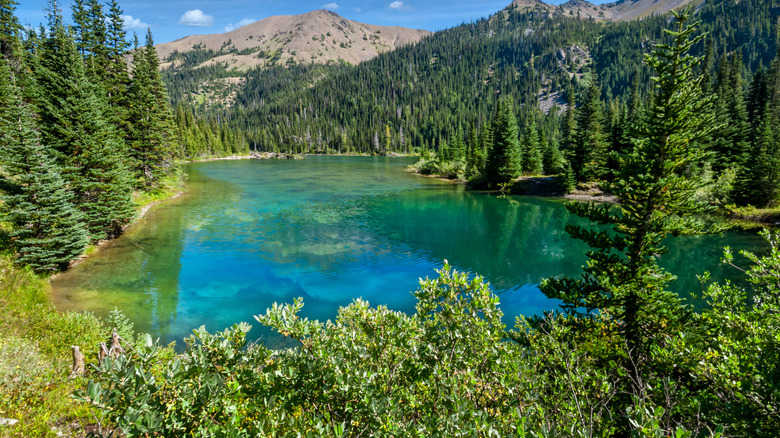
The weather patterns inside Olympic National Park could drive you up a wall. It could be raining cats and dogs in a western area but hardly wet in the east. Or very cold in one area, but much more manageable in another. This variance in rainfall and temperature creates incredibly diverse landscapes within the park, but it can also dampen your visit.
You can easily find yourself disappointed when you get to a destination because of weather quite unlike what you expected. For example, if you were to start your trip in one of the lowland forests in summer, you could find yourself enjoying balmy 80 degrees Fahrenheit weather. But if you were to leave and head up to a subalpine area like Hurricane Ridge on the same day, you would find 40-degree weather and thick fog that obscures the views you went for. Save your time and energy and check weather conditions on the webcams set up in some of the popular areas around the park before you go. Webcams are set up in Hurricane Ridge, Kalaloch Beach, Lake Crescent, and First Beach.
Pack the right hiking gear
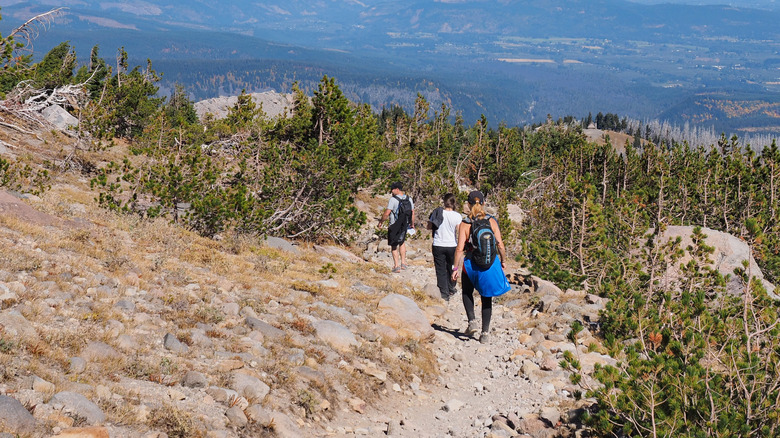
If you're into nature, you already know that our national parks offer some of the best trails for all levels of hiking. The Pacific Northwest happens to boast five beloved parks: Mt. Rainier, North Cascades, and Olympic National Parks in Washington; Glacier National Park in Montana; and Crater Lake National Park in Oregon. And all five feature mountainous terrain, including Crater Lake — though it's most famous for its sparkly blue lake. With the many opportunities for hiking, it would be a shame if you forgot the right hiking gear for the kind of trails you're likely to climb.
For example, if you're into extreme hikes, you could try the 18-mile High Divide-Sol Duc Loop in Olympic National Park for lakes, old-growth forest, and views of elk and mountain goats. If you're sticking to Glacier National Park in Montana, hike the challenging trail from Logan Pass to Many Glacier, which includes Glacier's Highline Trail, but adds waterfalls, a mountain-enclosed valley, and more. You can pack a light daypack and do these trails in a day, or stretch them out for longer — if you're after a strenuous multi-day hike, try the iconic Timberline Trail in Oregon, considered one of America's hardest trails because of its brutal climbs. In either case, you'll need to remember your backpack and the basics in terms of good hiking boots, proper attire with consideration for the cold and rain, water containers, poles, and possibly a knife.
If you plan on overnighting in the backcountry, you may also need to remember to pack your tent and sleeping bag, a map or compass, water-purifying tablets, plenty of food, and your climbing gear. Also remember a good, heavy-duty backpack to fit it all inside, especially if you plan on carrying a stove and pots.
Try one of Portland's viral food trucks (or a whole pod)
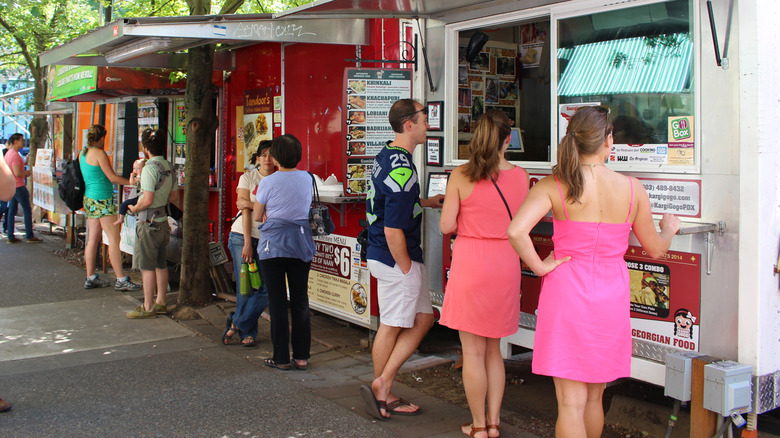
If you happen to be headed to Portland, Oregon, one of the best foodie cities in America for 2025, it would be a shame if you didn't sample the food scene. Granted, Portland isn't known for a single food in the same way cities like Chicago and Philadelphia are. Instead, numerous regional delights, farm-to-table eateries, and renowned brunch spots are the big draws for foodies. While the restaurants are pretty good, don't miss out on the viral food trucks drawing visitors from near and far.
With over 500 food trucks, narrowing down your options to the more famous, social-media-approved trucks is a good way to ensure you're visiting the best. For soul food, head to Kee's # Loaded Kitchen, a truck so beloved that foodies sometimes fly to Portland solely to sample their viral southern comfort food. "I had only seen videos on social media and brought my husband down from Seattle just to try her heavenly cooking!!" said one foodie on Google. Another seemed quite addicted: " I visit Portland a few times a year and Kee's is going to be a must visit going forward," they raved on Google. If you're more into spicy Caribbean eats, Bake on the Run, which featured on Top Chef before becoming popular on social media, is the spot for authentic Guyanese food.
If the more famous trucks leave you craving more, you won't have to go far to find other carts. Most of Portland's food trucks are organized into pods so you can always find a cluster of carts. The pod at Multnomah French Quarter near downtown has Mexican, Thai, sushi, and more. And try the Heist pod on Woodstock Boulevard if you want a side of entertainment with your food.
Don't swim in the Pacific Northwest's beaches (if you do be cautious)
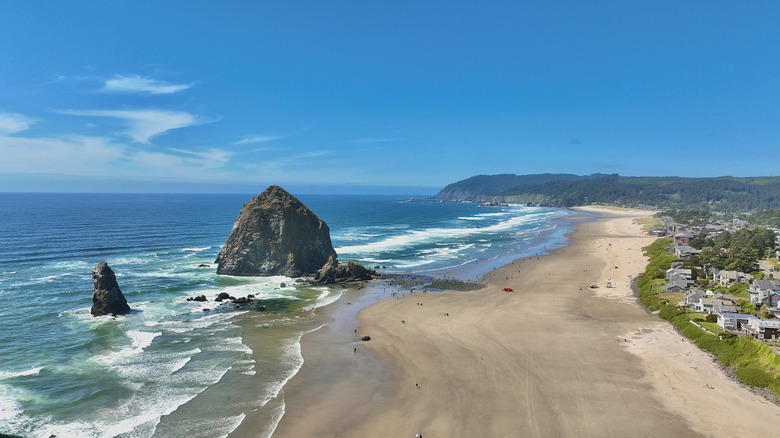
The beaches along the Pacific Northwest's rugged coastline are some of the prettiest in the nation. In addition to Oregon's Cannon Beach being one of the top beaches in America, both First Beach and Golden Gates Park Beach in Washington state are known for the kind of sunsets that can define a vacation. But don't pack your bathing suit just yet. If you plan to spend a day on the beach, be prepared for a sightseeing-only excursion, as shore conditions usually don't make for safe swimming.
From dangerously cold temperatures to choppy waters and swift rip currents, even experienced swimmers can find the beaches challenging. Along the Oregon coast, the warmest months, June to September, see water temperatures averaging between 51 and 58 degrees Fahrenheit, conditions considered a risk for cold water shock. Washington's beaches are around the same temperatures, so you can expect more of the same. With cold water shock, you can lose control of your body or lose consciousness and easily drown without help. And the rough waves can easily pull you under.
With all those risks, swimming may not be an activity you want to undertake. But if you do, don't swim out too far: if the distance is too great, you may be unable to return to shore if conditions get dangerous. It's also important to wear a wetsuit, as it will keep you warm in the cold water. If you don't swim, stay away from the water while you stroll the beach, as waves and rip tides can wash further onto the shore than you might expect and knock you to your feet, or worse. Rocks can also be slippery, so don't try to climb or otherwise navigate them.
Prepare for rain
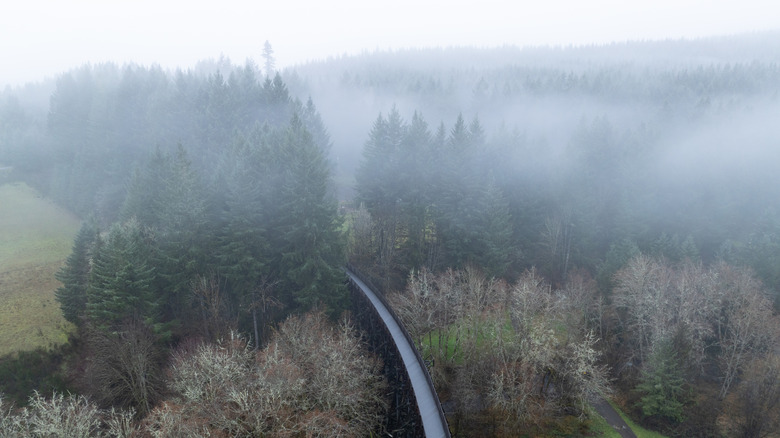
When David Hyde Pierce's character in 'Sleepless in Seattle' said it rains nine months a year in Seattle, it was a bit of an exaggeration. Portland gets a little over 130 days of rain per year, while Seattle sees 149. Still, if you visit the cities, you're probably in for a lot of rain. Further north, the Aberdeen Reservoir area in Washington state gets more annual precipitation than any other place in the U.S. And one of America's rainiest towns happens to be Forks, a misty Washington state destination with a charming downtown. With all this wet weather, it's a good idea to prepare for rain on your trip.
The first consideration is your itinerary. Once you settle on the areas you'll be visiting, check whether they get lots of rain during your trip and plan your attractions accordingly. One approach is to have rainy-day alternatives for any outdoor activities. Indoor attractions like museums and art galleries are good back-ups in this regard. Another approach is to ensure that, as much as possible, your outdoor attractions have covered spaces you can retreat to if it starts raining. This can look like a winery with an indoor tasting area or a sporting event with covered seating. Other good examples include Washington state's Red Mountain Estate, with its outdoor patio and indoor tasting room, and British Columbia's Roche Wines with vineyard tours and an indoor tasting room.
You'll also want to pack appropriately for wet weather. Proper shoes like rain boots or sneakers will keep your feet dry. And a raincoat can keep you dry if you need to walk through rain to get to your rainy-day alternatives.
But don't bother carrying an umbrella
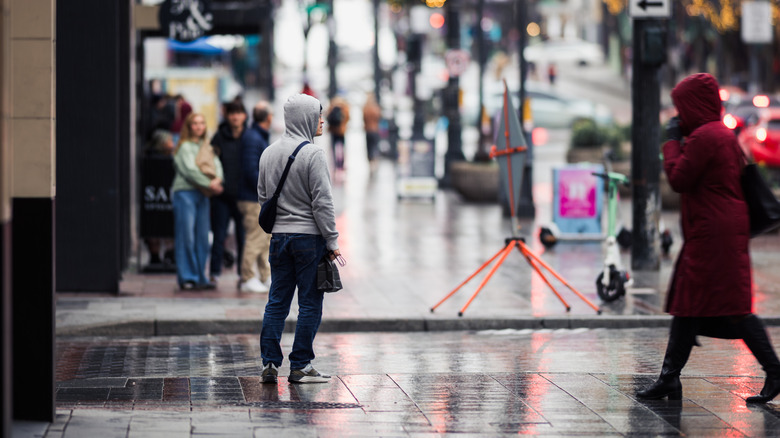
While you're preparing for rain, don't pack an umbrella unless you absolutely have to. If you come from an area where umbrellas are the usual way to deal with rain, that advice may be surprising. But, for more reasons than one, locals in places like Seattle and Portland refuse to use umbrellas. And as we all know, when in Rome, it's best to do as the Romans do.
Weather is one reason city residents don't carry umbrellas in rainy months. A news report on KVAL 13 illuminates how weather led to the custom in Seattle, but Portlanders largely share the same reasoning. According to the report, the general consensus is that it rains so often that carrying an umbrella every day would be cumbersome. The agreed-upon solution is to turn to rain jackets that leave your hands free for errands and keep fellow pedestrians jab-free. The wind presents another problem, as it's often strong enough to blow umbrellas away.
There's also that pesky issue of standing out like a sore thumb. You don't have to be a card-carrying frequent flyer to know that the more you can adapt to local customs, the better for you. If you're visiting Seattle, for example, residents pride themselves on the local tradition of shunning umbrellas so highly that some visitors have called it cultish. We don't know if that characterization is true, but we do know locals brand umbrella carriers as tourists immediately, so if you don't want to stick out, using raincoats is the way to go. The same goes for other areas in the Pacific Northwest. One Washington state local actually had this to say on Reddit: "Same, Olympic Peninsula. Umbrellas are useless to us and how we identify tourists."
Pack lots of casual attire if you don't want to stand out
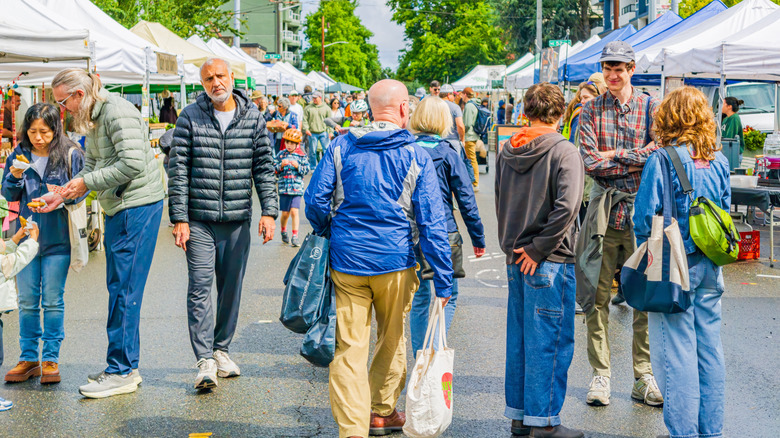
You already know that carrying an umbrella is a sure way to stand out as a tourist. Another thing to watch out for, if you don't want to single yourself out as a visitor, is how you dress. Locals in the Pacific Northwest are known for a more casual aesthetic almost everywhere they go, so leave those dazzling outfits behind when you pack.
With rain and cooler weather common, comfortable, practical clothing and shoes, layers, and hats are ideal. In this case, locals and visitors agree that practical attire includes hoodies, sweatshirts, or sweaters with a rain jacket layered on top, and jeans, leggings, or other comfortable pants on the bottom. For shoes, sneakers, tennis shoes, and comfortable boots are the way to go.
Apart from dressing for the weather, athletic wear is also common. This is probably expected when you consider the hiking opportunities in the numerous national parks in the region. Comedian Jim Gaffigan actually joked about the locals' love for wearing hiking gear on a Netflix special: "The entire Pacific Northwest, everyone's dressed like there could be an impromptu hike at a moment's notice. "Well, I'm going for a coffee, but you never know when a hike might break out. So, I'll put on some sturdy shoes and a breathable fleece." This local on Reddit agreed, so you can't go wrong with also packing some athleisure if you want to fit in. "I've found myself on an impromptu hike while not wearing the correct attire. Hikes or even nature walks in mud happen more often than one would think."
You can't visit and not do a road trip (even if you already booked a hotel)
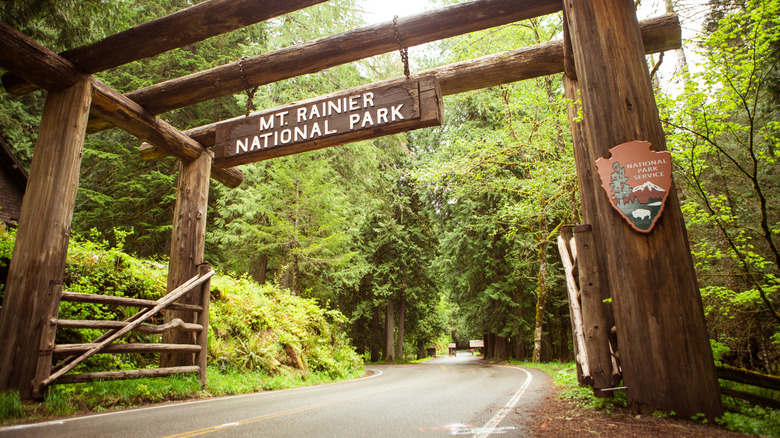
Imagine going to the Caribbean and never seeing the ocean. Or flying all the way to Iceland but never seeing its glaciers. Going to the Pacific Northwest and not taking some time to see the majestic mountains and remarkable coastline is the equivalent. Sure, you can stick to one of the popular major cities. But there's a reason three of the 11 routes on Road Trip USA's list of top road trips in the U.S. go through the region.
We aren't suggesting you have to take an epic road trip from Oregon to Alaska — though you absolutely can! If you plan on staying in a hotel in a major city like Seattle, Portland, or Vancouver, you'll be close to all sorts of gorgeous beaches and mountains, so a one-day road trip will suffice, if that's all the time you have. On a four-hour drive from Portland, you can see Oregon's coastline with the famous Yaquina Lighthouse, Cannon Beach, and more. You can easily visit Mount Rainier National Park and North Cascades National Park within a five-hour road trip from Seattle. And if you drove towards the coastal town of Tofino from Vancouver, in around five hours you would pass the stunning Long and Chesterman Beaches and Pacific Rim National Park Reserves.