
9 Common Tourist Complaints About Cape Cod
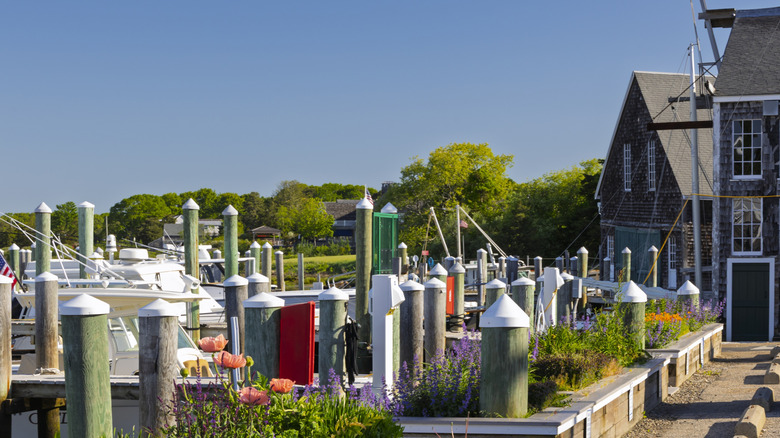
Although the Cape Cod peninsula has existed since the last Ice Age, it didn't become a major tourist destination until around the 1930s. Since then, generations of families have been flocking to this seaside town to enjoy rugged dunes, historic lighthouses, seafood shacks, and picturesque coastal towns. From award-winning beaches like Old Silver to artsy destinations like the village of Barnstable, Cape Cod offers something for every type of traveler.
That said, a Cape Cod vacation isn't always as effortless as one might expect. Far from a picture-perfect postcard, summer season traffic can be horrific, beaches are sometimes only open to locals, and the cost of food and accommodations can be high. Fortunately, if you know about these issues ahead of time, you can figure out how to deal with them before they wreck your trip to the Cape. Here, we'll dive into nine common tourist complaints about Cape Cod and help you understand how to handle each problem.
To compile this guide, we turned to official local government and location webpages, as well as traveler reviews on Reddit, Facebook, and Tripadvisor. We also used information from news sources like the Cape Cod Times.
Summer traffic can eat into your vacation
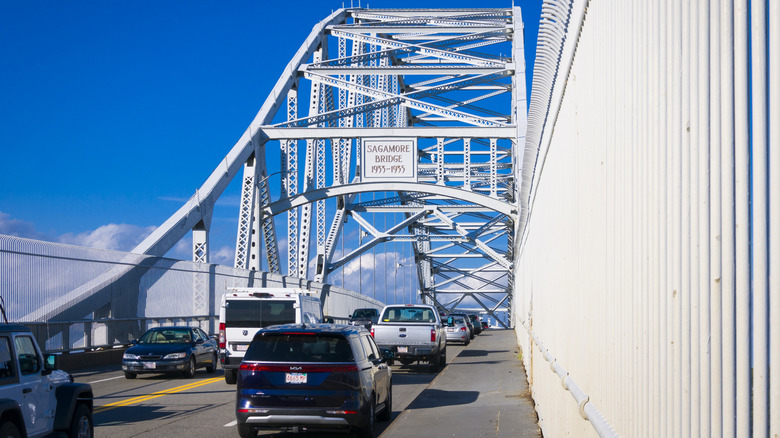
In some respects, the issues people have with Cape Cod are similar to common tourist complaints about Lake Tahoe on the West Coast. Both towns have significantly smaller year-round populations compared to tourism numbers — Cape Cod sits around 231,000 full-time residents, while Tahoe has around 55,000 — and both have limited routes in and out of town. In Cape Cod, there are only two ways for vehicles to cross the Cape Cod Canal: the Sagamore and Bourne bridges.
As one might expect, this creates extreme traffic bottlenecks, especially during peak travel times. On Facebook, someone shared a historic photo of cars headed into Cape Cod, quipping, "Traffic is so slow its [sic] been backed up for 60 years." Once you get onto the peninsula, traffic doesn't necessarily abate. Route 6, Route 28, and local roads through popular towns can all get gridlocked, too. The Cape Cod Times suggested some workarounds, like taking County Road instead of Route 28 to get to Bourne or Falmouth's Sippewissett Road to head to Woods Hole.
Taking backroads can be a useful hack for drivers, as can traveling at off-peak times. Sunday through Thursday tend to be the least busy days to drive to Cape Cod. If you have to arrive on the weekend, though, try to time it so you're driving in before 2 p.m. or after 9 p.m. on Friday and after 2 p.m. on Saturday. Although adhering to these timeframes won't completely eliminate backups on the roads, you will waste less of your vacation sitting in a traffic jam.
Beach parking is expensive and complicated
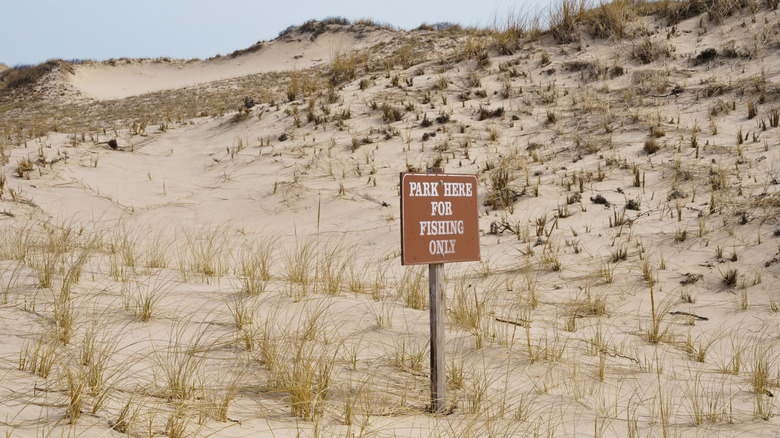
Cape Cod doesn't have a single regulatory body that oversees the peninsula's beaches. Instead, beach rules are set by various local municipalities, state agencies, and the National Park Service. This can be rather confusing for tourists because something that is perfectly fine at one beach might be prohibited at another, particularly when it comes to parking. If you're going to a National Park after September 20, for instance, parking is free, but other beaches charge parking fees year-round, and some are only open to local residents.
State Park parking fees differ dramatically for Massachusetts residents and non-residents. People with Massachusetts license plates typically pay $8 to $14 daily, while out-of-staters pay as much as $30 to $40. In regard to city-run beaches, some Cape towns offer daily, weekly, or seasonal passes to visitors, while others only let non-locals visit select beach areas. In Bourne, for example, beach lots are typically reserved for residents, with the exception of Monument Beach. Orleans charges $35 per day at Nauset and Skaket beaches.
These rates can change seasonally and may vary from year to year. In summer 2026, someone on Facebook shared that they were "so disappointed to find out last year that [Scusset] beach parking fees are now extended until Thanksgiving instead of Labor Day." To best prepare and avoid sticker shock, research the beaches you want to visit right before you leave for your next Cape getaway.
Peak-season crowds are sometimes overwhelming
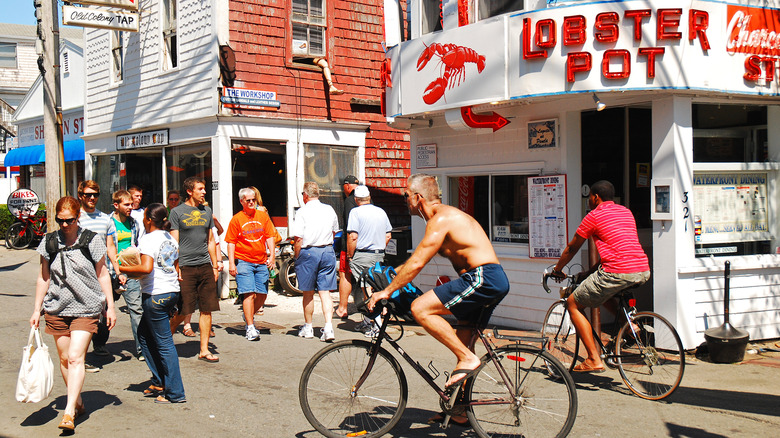
If you visit the Cape expecting to step into a living Pinterest board amid weathered clapboard cottages, empty beaches, hydrangeas, and laid-back seafood dinners, you might be disappointed by the reality of a summertime visit. During peak travel time in July and August, you can expect throngs of people clogging the sidewalks in popular towns like Chatham and Provincetown, as well as crowded beaches and long wait times for many of the best experiences you can have on Cape Cod.
The crowds can lead to major problems. One local Redditor wrote, "Every driveway on my street has 5+ cars in it ... The internet barely works, but I'm keeping my fingers crossed that the power stays on." Another person on the same thread wrote that "transformers are blowing everywhere" in their neighborhood due to overuse. These same issues impact tourists renting houses on the Cape when the population surges in the summertime.
Beaches also face huge, sometimes rowdy, crowds. After revelers trashed beaches on Fourth of July weekend in 2023, local communities implemented new restrictions to try to deal with the influx of people. If you are hoping for a peaceful trip, renting a cottage outside a downtown district or near the serene dunes on Cape Cod's eastern coastline is most likely to offer the quiet experience you want, although you might have to travel a bit farther to get to shopping and dining. And to completely escape the crowds on the Cape, check out scenic Washington County, Rhode Island instead.
Vacationing here can be expensive

Cape Cod doesn't have quite the same overtly luxurious reputation as Nantucket or the storybook villages of the Hamptons on Long Island, but the cost of a summer vacation here can still get expensive quickly. Accommodations tend to require the biggest chunk of one's budget. In a Reddit thread, someone noted their family member was "making $30k for like 2 bookings. It's insane." In that same discussion, another person reported that they rent a "modest" Wellfleet cottage for $1,150 per week. That price is affordable by Cape Cod standards, but may still seem high to many travelers.
Another Redditor noted that they planned to book "a nice 2 bedroom cottage near the water in Dennisport will run around 3k for a week." By the time you factor in restaurant meals, beach parking fees, and various activities like whale watching, you may spend significantly more than you initially planned. Someone else on Reddit said, "it cost $50 just to take my family of 5 out for ice cream." Budget Your Trip suggests setting aside an average of $227 per person, per day to visit Cape Cod.
The earlier you plan your vacation, the more money you're likely to save. For summer 2026 dates, rentals for the season were about 50% booked by January 31, with some popular periods like Fourth of July week and the first week of August sitting closer to 70% reserved. So make sure you book early, not just for lower prices, but also to make sure there's availability!
You'll probably need a car
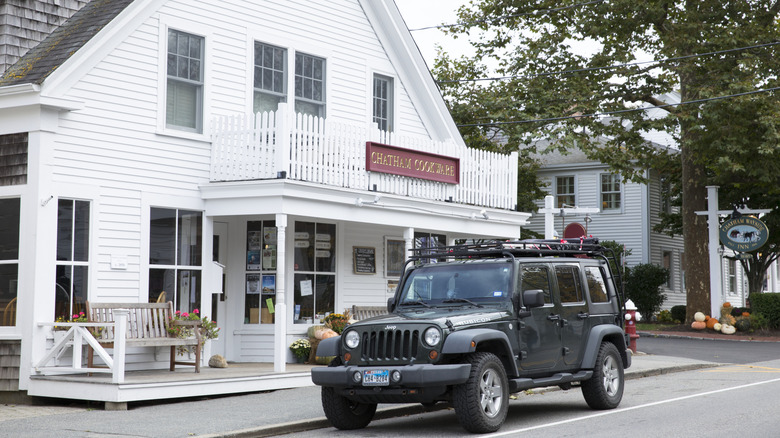
On a map, Cape Cod doesn't look very large, but the peninsula is actually about 70 miles long. Getting from an Upper Cape spot like Bourne to Provincetown takes nearly an hour and a half by car in normal traffic conditions, so you can safely expect longer backups in the summer. At the time of publication, the fastest public transportation journey between these two towns takes over three hours, which is a significant chunk of any vacation day.
Beaches, historic downtown districts, and famous restaurants are scattered throughout Cape Cod, so getting around without a vehicle can be quite challenging. This is particularly true during spring, fall, and winter trips. On Facebook, someone was concerned about visiting the Cape without a vehicle and a commenter informed them in no uncertain terms that they "will need a car. There is no off season passenger train service from Boston or any other location." Another person cautioned that those who don't have experience with winter roads may want to avoid Cape Cod altogether in the winter, noting they didn't wish to "be a bummer or a Karen."
For those who live outside of driving distance from the Cape and are unable to rent a vehicle, the Cape Cod Regional Transit Authority has buses that connect various communities on the peninsula. However, the buses don't go everywhere, so some sites or attractions you want to see may not be serviced. Additionally, you will be fully reliant on the bus schedule when it comes to planning your days, and some routes only offer seasonal service, which can throw a wrench into plans.
The water can be cold and choppy
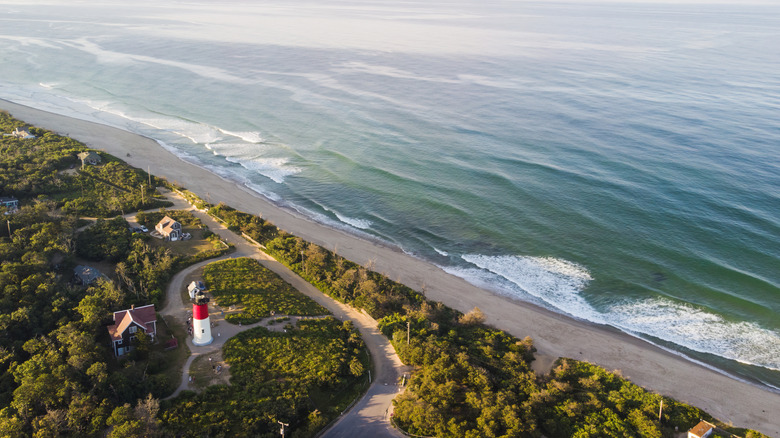
Although Cape Cod may have a reputation as a classic summer beach destination, the Atlantic water in the Northeast doesn't generally care what season it is. Even when the weather is warm, the surface temperature of the water can be quite chilly. In a July 2024 report from Boston's NBC affiliate, some areas were as cold as 60 degrees Fahrenheit. While this might not sound frigid, people can get hypothermia in just 60 minutes at this temperature.
In a Facebook discussion about where to swim on Cape Cod, some people were flabbergasted that others were even considering getting in the ocean. Someone wrote, "the water gets warm enough for swimming off Cape Cod?" Another astounded poster from New York said they've "only braved the water in Sandwich and Nauset." Since you can't control the water temperature on the Cape, the best thing to do is prepare alternative activities if the water is too cold for swimming. Young children may love building sandcastles and playing in the sand, for instance, while adults may enjoy some time at a beach bar with a great view.
If you do decide to enter chilly Atlantic waters, Barnstable County recommends taking proper precautions to prevent hypothermia and other adverse health conditions. Advice includes only visiting beaches with lifeguards on duty, especially if you have children in your party. Additionally, you should never plunge into cold water all at once. Enter gradually, starting by dipping your feet in, then continuing with the rest of your body.
Shark warnings can be stressful

If the temperature of the water along Cape Cod's shoreline isn't enough to throw a wrench into your beach plans, a shark warning might be. If you see purple shark flags flying, be wary of getting into the ocean. Although shark attacks are extremely rare — you're significantly more likely to be struck by lightning than killed by a shark, in fact — great white sharks are native residents around the Cape. As the seal population in the area has surged, so, too, has the number of great whites.
In Reddit thread about the massive population of Cape Cod great whites, someone lamented that "at some point the waters around the Cape might not be safe for swimming." Another person asserted that it's already unsafe, writing, "Often not safe. Guards help ... Rip Arthur Medici." Medici was a 26-year-old college student who passed away following a shark incident in Wellfleet in 2018. Per the National Parks Service, this was the only fatal shark-related event in the area since 2012, with only two other shark bites recorded during the same six-year period. Between 2019 and 2024, no new shark incidents were reported on the Cape.
When it comes to shark safety on Cape Cod or anywhere else, awareness is a better reaction than panic. Most of the time, sharks and humans can coexist well in the world's oceans, as a study from Cal State, Long Beach confirmed. However, if you spot a shark on the Cape, alert a lifeguard and clear the water immediately, especially if there is low visibility. It's also wise to download the Atlantic White Shark Conservancy's Sharktivity app, where you can keep track of confirmed shark sightings and issue your own alerts. Be aware, though, that the app may not always update in real time.
It can be impossible to get into popular restaurants

The food scene on Cape Cod is a major draw, with the Boston Globe even publishing that the peninsula's restaurant culture is experiencing a "renaissance" of late. Whether you have your heart set on a lobster roll from a seafood shack or a five-star dinner at a high-end hotspot, you'll find what you're looking for here. Unfortunately, you'll probably find that many other vacationers and locals have the same restaurants in mind. During the summer season especially, it can be next to impossible to get into popular Cape Cod restaurants.
In a Facebook post made during the August rush a few years ago, a local admonished complainers that they should "expect a long wait to be seated and potentially slower than usual service." Back in 2021, one local restaurant even closed for a day after customers were so rude and complained so much that members of the waitstaff were brought to tears. The best course of action here is to make a reservation at your preferred restaurants if you can and, if they don't accept advance bookings, to practice patience and grace.
Certain Cape Cod restaurants accept reservations via Resy and OpenTable, which are both easy ways to secure a table at coveted establishments. Leonessa and Twenty-Eight Atlantic, for example, are both on Open Table. Other spots, like Clean Slate Eatery, only allow phone reservations. Laidback seafood shacks on the beach typically don't take reservations at all, though there may be some exceptions. Call the restaurant you are interested in if you have questions about its reservation process.
Many businesses operate seasonally

Heading to Cape Cod during the spring, fall, or winter seasons is a good way to save money on accommodations, deal with fewer traffic headaches, and have a more private vacation overall. However, the less hectic atmosphere requires visitors to make a major tradeoff. Since summer is the busy season on the Cape, many seasonal businesses significantly reduce their hours or completely close up shop for the year after Labor Day weekend draws to a close.
Travelers who arrive on the Cape expecting to visit well-known spots like the Sailing Cow might be disappointed to discover that they won't have standard hours until late spring arrives. Business owners may also change their hours without notice based on winter weather and staffing issues, which can be frustrating for patrons. One Facebook user said they wished Cape Cod establishments would use "your website, social media, or voicemail to share whether you are open or closed on holidays." Someone else on the thread agreed, writing, "not just holidays. How about state if they're open year round. If not when their closing / opening days are. Keep their hours of operation up to date."
Because not every Cape Cod business uses online resources to update their hours, avoid frustration by calling ahead if you're thinking about going somewhere during the off-season. Additionally, the Cape Cod Chamber of Commerce offers a wintertime guide that includes off-season activities like the Polar Express for families at Christmas and the Osterville Chocolate Festival for a February Valentine's Day date.