
9 Rules You Should Know Before Camping In The Winter
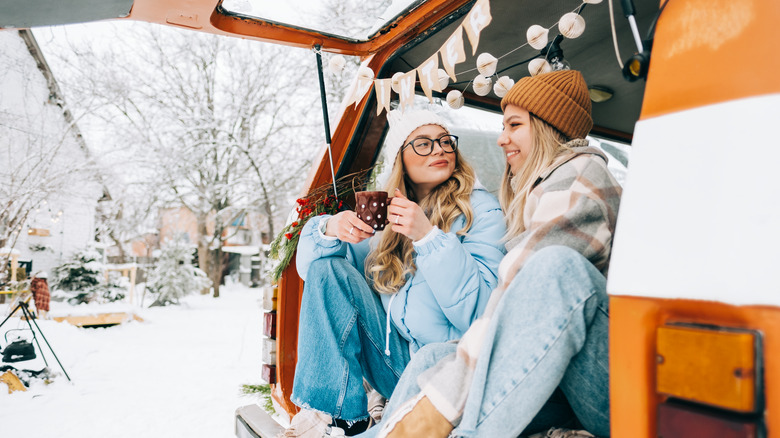
A camping trip is one of the most versatile vacations out there. From breathtaking destinations in Tuscany to lake-side camping in California, pitching up a tent offers a chance to enjoy nature at a fraction of the cost of the more traditional hotel holiday experience. And such experiences are not limited to the warmer months. Some of the most beautiful fall destinations match perfectly well with an outdoor venture, and savvy explorers know how to enjoy otherworldly, vibrant spring hikes even when it comes to making camp in the rain. But what about a camping trip in winter? The season of frost complicates things.
Not all winters are born equal. For instance, it never really gets all that cold in Andalusia. Seville remains one of the best cities in Europe for a scenic fall vacation, and it's still relatively warm come winter. And sure, you probably won't need any specialist equipment to tackle a post-holiday season excursion in Florida.
But what of those places where the season more closely resembles landscape art on your average Christmas card? What of Northern Europe, New England, or the frosted hinterlands of Canada? Even the most picturesque hiking trails in Scotland require a little more thought if you plan to tackle them as the nights grow longer. There are quite a few things you need to take into consideration when contemplating such a venture. As a veteran camper who believes that there is no such thing as bad weather (only poor clothing choices), I'm throwing personal experience into the mix here. I've also consulted experts along the way, and tackled a few common-sense approaches as they made themselves known to curate the best rules to live by if you're going to try out winter camping.
Plan before you go
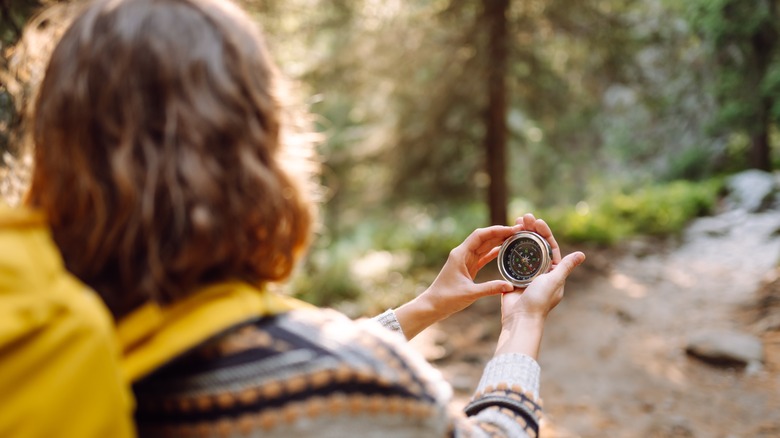
"Forewarned is forearmed," or so the saying goes, and when it comes to winter camping, it is one of those adages you'd do well to live by. Even regular vacations suffer from lists of destinations you should avoid during winter, but winter excursions require time spent researching available options. Selecting an appropriate site is only the first step when it comes to exploring your options.
First, figure out the weather. An overview of the general climate is helpful, but while average expected temperatures offer a useful framework, they rarely tell the whole story. Real-time forecasts should be consulted before setting out, and specialist reports relating to specific topography — such as mountain weather forecasts — need checking daily (at the very least). Any weather warnings must be taken seriously and, in many cases, might require switching to a plan B. If you are staying at a campsite, asking campground staff what kind of weather to expect or consulting locals when you get there is also a good practice. If you're going off-grid, a quick Google search to find out if any regional explorers have met difficulties during the winter months helps highlight potential weaknesses in your plan.
Taking into account the length of your trip is also vital. In many places, the weather can turn on a dime and two-week trip can absolutely throw a few curveballs your stay since forecasts can change often. However, if you're armed with such data, you should find yourself in a position to deal with whatever comes your way. Knowing what equipment to take — more on that later — is a function of expectation, so you can hope for the best but plan for the worst.
Know your limits
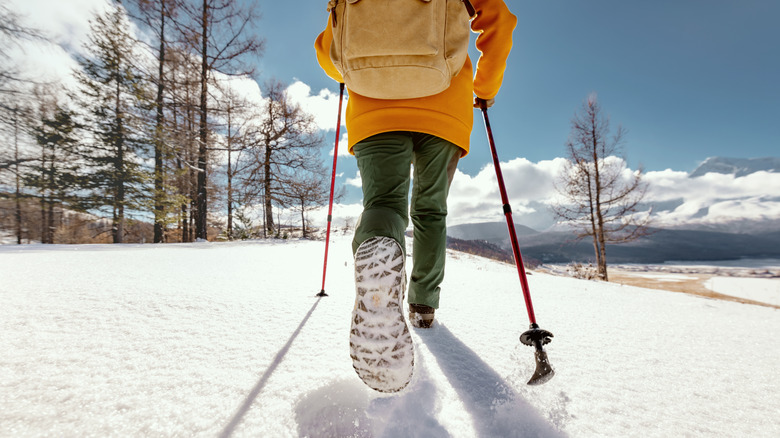
Once you have studied all the variables and arrived at a set of options, the next step is to attempt an honest appraisal of yourself. You need to know what you want to get out of the trip and how far you are willing to push yourself. There are keywords to look out for. Wind chill is a factor when appraising temperature, and so is elevation. Remember, the higher the altitude, the more mercurial the weather. To make things worse, those opting for a remote location must factor in how long it will take to reach safety if things turn sour. Camping in your backyard on a chilly December night is one thing, but trying to do so on the side of a mountain is quite another.
You can find year-round outdoor playgrounds to camp in with mild weather, but for every location like that, you'll find another that is considered more extreme in nature. Such destinations offer an amazing experience for thrill-seekers, but reality checks are prone to getting in the way of plans. Getting yourself in situ can be exhausting, and making sure you have enough reserves to get yourself home safely is critical to the success of any trip.
Meanwhile, international ventures bring fresh challenges. Camping in some of the coldest countries in the world is a rewarding experience in and of itself, but finding yourself caught in a sudden snowstorm that takes temperatures below what you are used to can be life-threatening. Experience here counts. Initial forays into the world of winter camping are best experienced on familiar terrain that shies away from intense weather. Working your way up to more extreme climes gradually can act as a series of teachable moments that help create a balance between adventure, comfort, and safety.
Choose the right clothing
If limits are all about sizing yourself up against the elements, then clothing is about giving your body a fighting chance against nature's fury. Lists of the most dangerous camping destinations in the world are all well and good, but few of them can compete with the inherent jeopardy of facing the cold in unsuitable attire. Part of the reason forward planning is so important is that you need to know what you are up against well ahead of schedule.
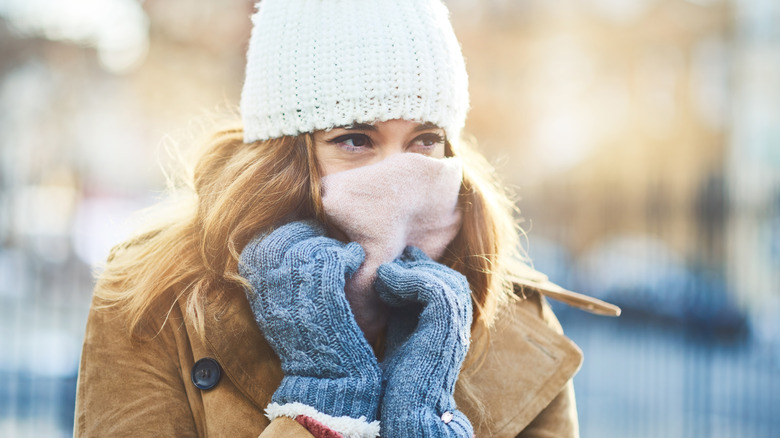
The basic philosophy of clothing choice is simple: Maintain core temperature, protect the extremities, and keep the head warm. The more extreme the weather, the more important it is to pay close attention to your attire. Selected layers should be loose-fitting and lightweight because too much weight can slow you down and increase the risk of perspiration — something you wish to avoid at all costs. Mittens are preferable to gloves, and hats should be snug. If the temperature really drops, covering your face with a mask or scarf is essential to stop a burning sensation from building up in your lungs. Socks must be warm, and sunglasses or goggles should be worn to ward off potential snow blindness.
The final veneer of protection comes from your outer jacket and boots. All clothes have what is known as a CLO or clothing insulation rating, but when it comes to specialist attire, this rating is generally listed somewhere on the item. Such items are rated for specific temperatures. Still, calculating the cumulative warmth of your clothing can be complex. For an accurate account, you need to factor in the CLO of your various layers, the level of activity you are engaging in, and how long you expect to be outside in the cold.
Stay dry at all costs
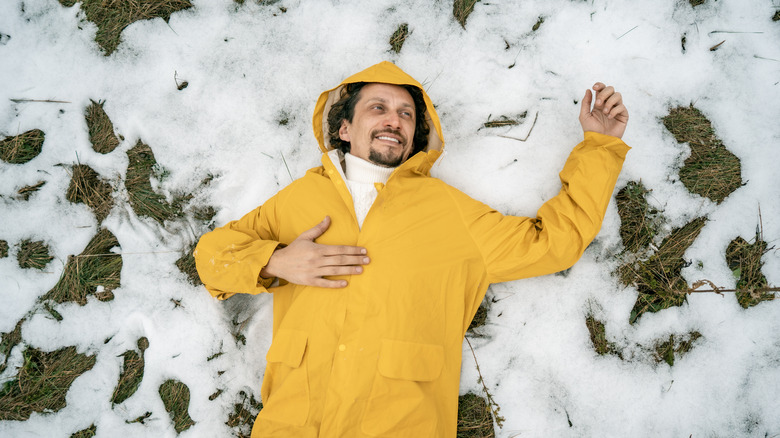
When it comes to survival, some rules are non-negotiable. In deserts, you keep the sun off your head, leaving your insect repellent at home is one of those things you should never do in the rainforest, and, when it comes to winter-weather, it's all about keeping yourself nice and dry.
Air is a poor conductor of heat, which is why trapping it between various layers of clothes is so effective. Contrary to popular belief, water is also a poor conductor, but it is less apathetically so than air. Sweating bleeds excess heat from your body, and evaporating all that moisture takes energy. That energy is provided by the very heat you are trying to shed. When you are trying to ward off sub-zero temperatures, it can be disastrous. As the inner layers of your clothes get damp, their thermal resistance drops, and your core temperature drops with it. Overdressing is almost as bad ads underdressing, and adjusting layers as you go is one way to tackle this problem, as is taking a rest stop whenever you start to feel clammy. Keeping a set of dry clothes as a backup and a dry pair of socks to change into post-hike is something of a non-negotiable safety tip.
Ensuring your tent stays dry is also essential. Condensation is an ever-present threat during cold camping. As we exhale, moisture escapes from our breath and begins to collect on the tent's inner skin. It also lowers the thermal properties of your shelter and is prone to drip on you. The dampness creates a cascade of misery that is uncomfortable in summer and potentially deadly in winter. Proper ventilation can help mitigate the worst of this problem, as indeed can specialist equipment designed to keep condensation to a minimum.
Understand frostbite and hypothermia
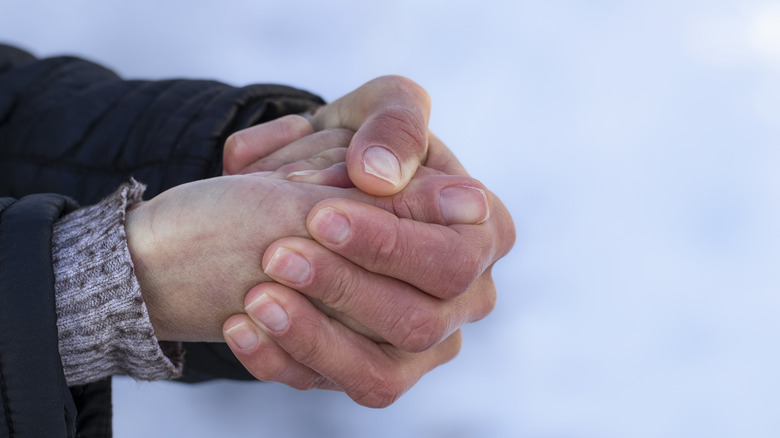
For the most part, advice on how to keep warm during a winter camping trip is all about staying comfortable. But as you move towards the category of extreme weather, safety concerns begin to loom up front and center. Hypothermia is a silent killer. Frostbite is as deeply unpleasant as you'd expect.
Hypothermia occurs when the body is unable to maintain its core temperature to the point where it drops below 95 degrees Fahrenheit. Symptoms begin with shivering as your body attempts to generate more heat, but can quickly progress to slurred speech, confusion, and a lack of general coordination. The condition is life-threatening, and the lack of mentally acuity it brings means that many people suffering from hypothermia are unaware they are in danger. If you begin to shiver or feel lethargic, you need to act. Stop what you are doing, eat, hydrate, and insulate, and then take measurements of your core temperature with a thermometer. If you cannot get your temperature back up or if it drops below 95 degrees, you need to seek medical attention immediately.
Frostbite occurs when your skin is exposed to temperatures of 32 degrees Fahrenheit or lower. Your extremities are most at risk. Visually, it begins with a white patch on the skin that is accompanied by a tingling sensation, pain, and loss of feeling. These first signs are a rallying call for action. Get inside your shelter if you can, remove clothing, and gently warm the affected parts; do not try to heat them rapidly. Such advice is fine for the initial stage of the condition, which is generally known as frostnip, but more severe symptoms, which include a stinging sensation or swelling after you have warmed the skin back up, require immediate medical attention.
Equipment matters
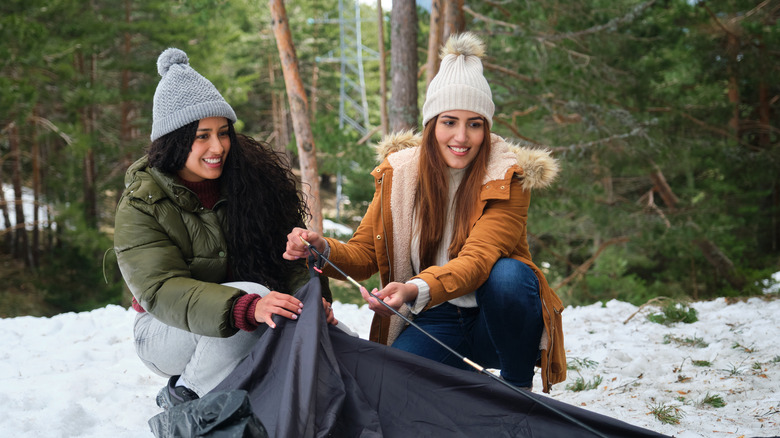
Essential as warm clothing is, it represents only the thin wedge of what you'll need if you are going to brave the elements on a winter camping trip. As before, location dictates your needs. With so many ultimate winter wonderland bucket list destinations to choose from, lists of equipment are necessarily bespoke. Still, there are some items you simply cannot do without.
First up, and perhaps most obviously, is your tent or shelter. Tents are generally rated by season. Three-season tents tend to be more portable, but what you gain in terms of weight carried, you lose when it comes to thermal protection. Four-season tents perform exactly as you might expect, offering better wind and rain resistance and superior protection from even the most bitter cold. Unless you are confident that your chosen campsite is only going to throw mild weather at you, the extra cost of a four-season tent is almost assuredly money well spent.
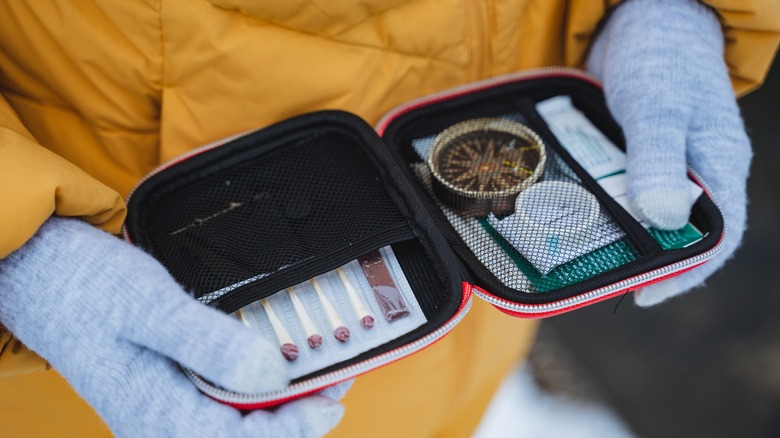
If the outside temperature is cold enough to warrant a heater inside the tent, then you are going to need a carbon monoxide alarm in order to stay safe while you shelter. In a similar vein, if you are off-grid, a GPS locator or satellite phone is a must. Spare batteries for phones and other devices should be stored somewhere warm, sleeping bags should be thermally rated, and you need to take enough food and drinkable water to last the entire trip. You should also bring an insulated sleeping mat so the ground below does not suck the heat from your body. Lastly, a compass, first aid kit, and at least one set of spare, dry clothes round out the checklist quite nicely.
Stay hydrated
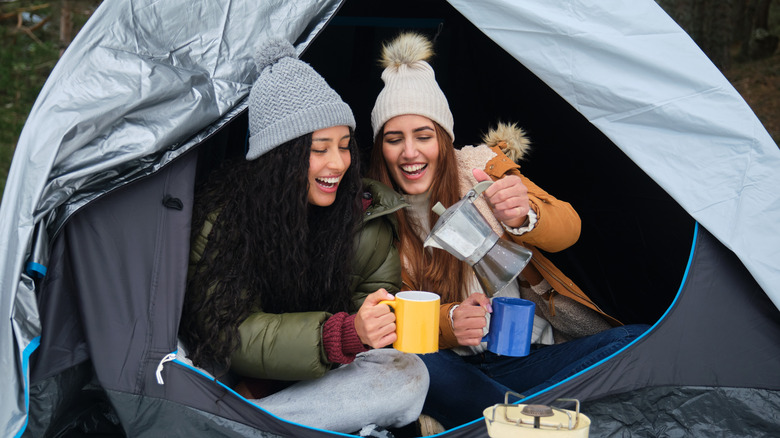
We tend to associate dehydration with being in hot places, but the truth is that fluids are every bit as important when dealing with the cold. Thirst is, after all, a poor indication that you need to hydrate as you may not feel the need to drink while you combat the cold around you, — but your body, most assuredly, needs water.
Access to fresh water then is essential. Snow cannot be eaten. Physics gives nothing away for free. The water is frozen, and your body must expend energy to unfreeze it. It can also lower your core temperature and bring on hypothermia. To make things worse, it might be contaminated. Snow should only ever be taken from an undisturbed patch and then brought to a boil before consuming.
Mountain streams are, of course, another way of getting hold of water, but any you collect must be filtered and, preferably, also boiled before it is fit to drink. Carrying enough water to meet your needs is probably non-viable unless you are taking a vehicle with you; each camper is going to get through around two gallons a day. If there is no snow on the ground and no running water nearby, it's probably a good idea to find a different place to camp. Lastly, you should not underestimate the benefits of regularly imbibing a hot drink or two. Avoid caffeinated drinks as they are diuretic, and while they won't dehydrate you, they might make you need to pee more often. With so many layers on, getting out of your clothes to pee several times a day gets old fast.
Calories are king
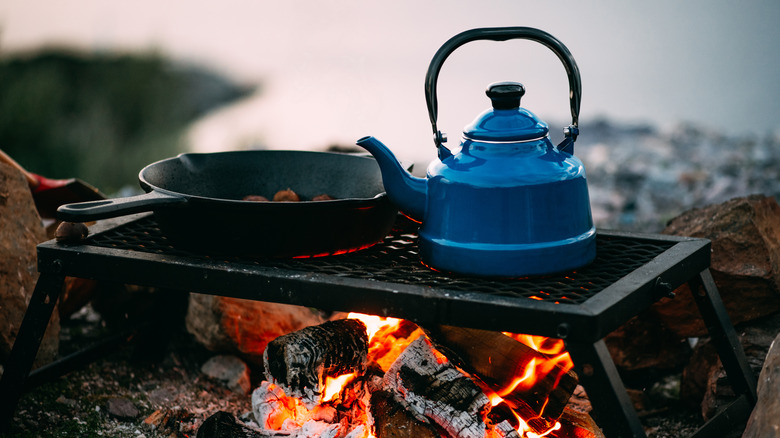
On average, men require around 2,500 kilocalories a day; women need about 2,000. Exercise does, of course, burn some of these calories, but the body also expends energy as it attempts to keep itself warm. When winter camping, calorific needs tend to skyrocket; in certain circumstances, they may double, and in the most extreme of conditions, calorie intakes in the range of 8,000 a day are not unheard of.
Of course, finding a balance is important. A polar explorer dragging a sled in minus 40 degrees Fahrenheit weather can get through the equivalent of six large Big Mac meals a day. A more sedentary camper enjoying the views in milder climes might want to hold back on the feasting a little. As always, you should listen to your body and plan accordingly.
Taking the right food is no less critical. Essential cooking techniques that every camper should know are all well and good, but keeping warm on a steady diet of leafy greens and low-fat hummus simply won't hack it if a cold front moves in. High-calorie nibbles such as nuts and chocolate make great trail snacks. During mealtimes, starchy vegetables help bulk out your calorie intake, while frying up some fatty fish, or conjuring up a filling casserole, or one-pot pasta dish can help keep the cold at bay. Regular infusions of hot cocoa and tea are also something of a godsend, especially right before bedtime. Starting the day off with a cooked breakfast is also of great worth: pancakes, ham and eggs, hash browns with sausage, or perhaps a plate of biscuits and gravy provide the energy you'll need to stay warm and help you enjoy your outdoor adventure in comfort.
Build contingency plans
Chances are, you'll be able to enjoy a winter camping vacation without encountering any serious problems if you have a game plan. Still, take some time to think about what could go wrong and how to handle possible issues. Making contingencies for such eventualities is an essential component of any trip.
To start with, people need to know where you are going and when they should expect your return. Arranging regular check-ins is also good practice so that you can reassure people back home that all is well. Personal satellite trackers are available that allow off-grid communication with the outside world via texts and allow you to send out an SOS if things go awry. Your vehicle should be in good working order and equipped with tools and spare parts: snow shovels and heavy-duty mats in case you get stuck, extra food and water, and additional sets of dry warm clothing. Such items, alongside a road-worthy spare tire, can be of great comfort if you have to cut short your vacation due to bad weather.
The choice of location is also something you should pay attention to. Choosing a site that is sheltered from the wind can help avert disaster, but you also need to select a bailout campground, somewhere nearby that you can relocate to if the weather takes a turn for the worse. Heading to lower altitudes or moving closer to populated areas as a storm moves in allows you to continue enjoying the great outdoors without worrying too much about the looming clouds on the horizon. Lastly, you need to have some old-school equipment at hand. If electronics fail, a compass and a map are as old school as it gets and literal lifesavers in a crisis.
Methodology
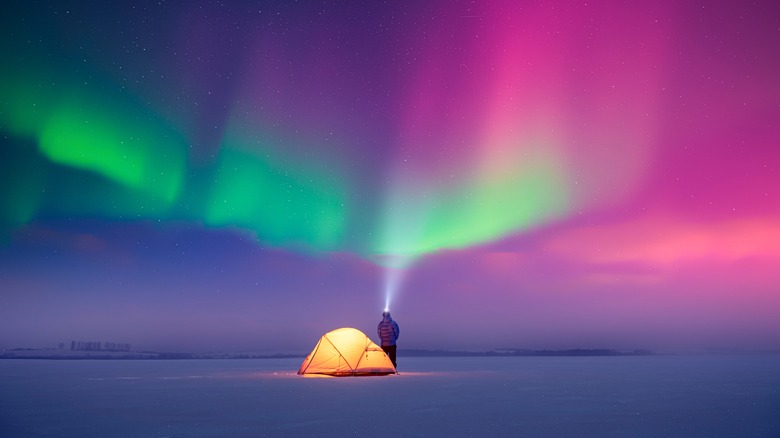
My camping adventures began when I was very young and never really lost the thrill of exploring nature. Summer often took me to Italy to enjoy the breathtaking camping spots of Tuscany. During winter, I could be found in the Scottish Highlands, braving the elements and hiking my way towards picturesque views. I've camped in the Arctic Circle, and I have braved the Icelandic nights in search of aurora. For this list, I leaned heavily into said experiences, but I also consulted medical experts from the Cleveland Clinic, the NHS, and more. I also cross-referenced data from trusted expert sources and camping equipment specialists.