
Arizona's 10 Best Destinations To Visit For Real Winter Weather During The Season
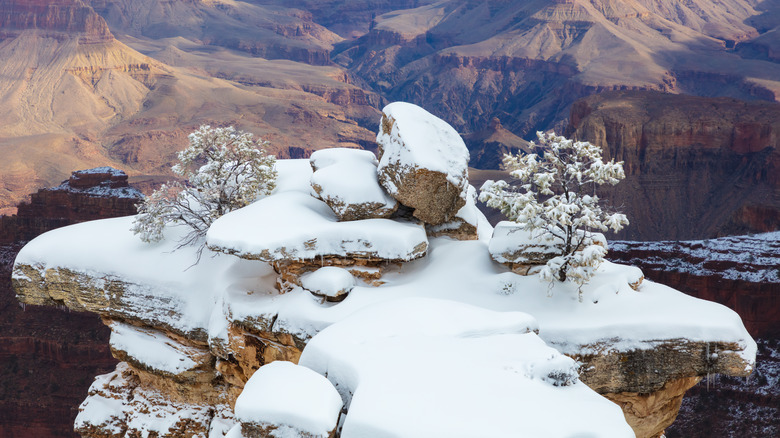
When snowbirds flock to Arizona, they don't have northern Arizona in mind. Instead, they flock to destinations in the southern, eastern, and western sections of the state where the weather stays delightfully mild over winter. Destinations in the east, like popular Scottsdale, have beautiful natural attractions, luxury shopping, and upscale resorts immersed in desert beauty while lingering at highs of 69 degrees Fahrenheit and lows that never go below the 40s. In the south, Tucson stays at an average high of 69 degrees Fahrenheit over winter. And in the west, Yuma is similarly pleasant.
In the elevated northern regions, Arizona changes drastically in winter and becomes a white wonderland that would make snowbirds shudder. This is also true of the White Mountains region in the eastern part of the state. In a state known for extreme heat and desert landscapes, it may seem strange that there are destinations where visitors can enjoy real winter weather. These destinations trade parched deserts for powder-capped mountains come winter. Lovers of cold destinations will find true winter weather with ski resorts, log cabins nestled on snowy mountains, and tiny towns filled with Native American history to explore.
But not all cold temperatures qualify to be called winter weather. What cold means can be subjective, as tolerance levels can vary by regional norms. To be consistent, we used temperatures at or below the freezing point (32 degrees Fahrenheit) as our criterion for what constitutes winter weather. Winter is defined as the three months between December and February. Having established that, we searched through traveler reviews across travel boards and forums to find the most fun Arizona destinations with weather that could be defined as wintry.
Flagstaff
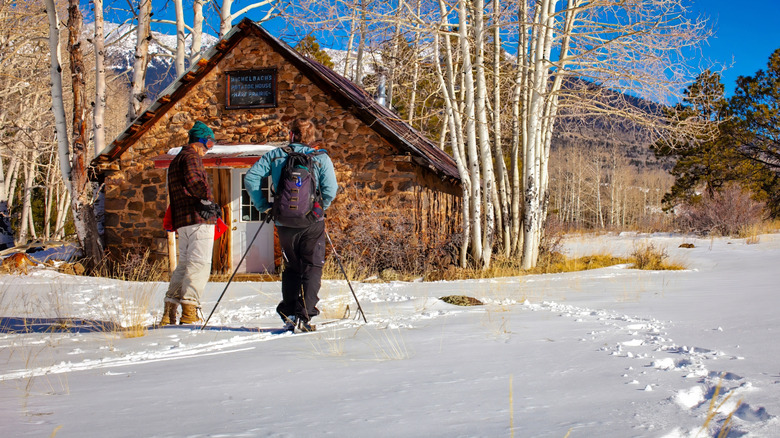
Indisputably the snowiest city in Arizona and ranked as the third snowiest in the U.S., Flagstaff in Arizona's northern region was consistently recommended by travelers in our research for its dependable snowfall. One Redditor raved, "Flagstaff or the White Mountains (Greer/Pinetop Lakeside) are pretty much guarantees for having snow by Christmas time." With an average of 67 inches of snow annually and low temperatures between 13 and 16 degrees Fahrenheit over winter, it's safe to say that snowbirds won't be flocking to Flagstaff anytime soon. But for lovers of cold weather, the destination is a dream.
Thanks to its mountainous location, most visitors go to Flagstaff to enjoy the outdoors. In winter, this means skiing and other cold-weather sports. For skiers, one of the best places in Flagstaff to hit the trails is Arizona Snowbowl. Freestylers and snowboarders have four terrain parks to practice on. The resort's 61 trails are designed for both experts and beginners. And experts can ski uphill with a permit. Non-skiers, younger kids, and snow-tubing fans will want to head to Flagstaff Snowpark, where multiple tubing lanes and a kiddie hill mean hours of fun. Snowpark is a family destination, with fire pits for getting cozy around or making s'mores, picnic tables, and food trucks to make mealtimes easy.
When it's time to sleep, Arizona Snowbowl has on-mountain accommodations. Around Flagstaff, visitors will also find numerous options for accommodations, including the Little America hotel, which is an iconic hotel with its own trails. Also around the city is an interesting array of museums. Lowell Observatory is a must for astronomy enthusiasts who want to experience the place where Pluto was discovered or embark on their own stargazing journey. And, the Museum of Northern Arizona brings visitors close to the Native peoples important to Arizona's past and present.
Hawley Lake
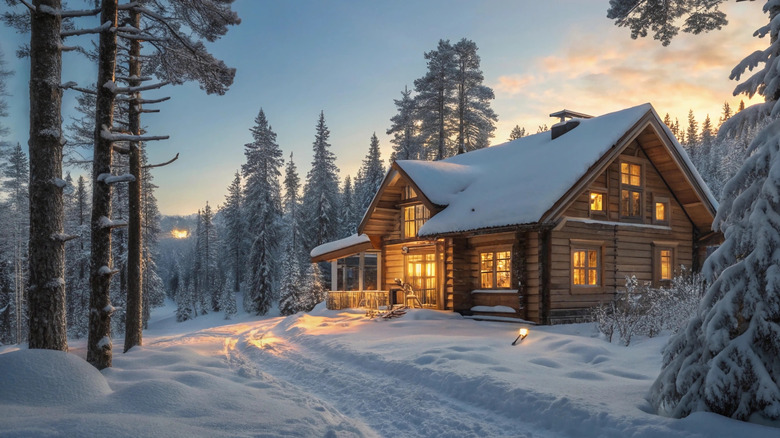
If Flagstaff is Arizona's snowiest destination, Hawley Lake is one of the coldest. The destination holds the record for the coldest day ever recorded in Arizona. That record was in 1971 when the town was recorded at a temperature of minus 40 degrees Fahrenheit — in comparison, Flagstaff's coldest recorded temperature is minus 30 degrees Fahrenheit, recorded in 1937. Any comparison between the two destinations ends there. Hawley Lake gets 168 inches of snow yearly, more than double Flagstaff's, and sees average lows of 25 degrees Fahrenheit.
Where Flagstaff is a large city, the small lakeside town has under 2,000 residents and is dotted with historical and cultural attractions that tell the stories of the Apache people whose tribal land the town sits on. In winter, the lakes freeze, and visitors exchange kayaking and swimming for ice fishing. Winter also sees skiing under an hour away at Sunrise Park Resort. Hawley Lake is a chance to slow down in that unique way small mountain towns offer. Hikes around the area unveil wild horses, bears, and other wildlife. Campgrounds and cabin rentals offer a picturesque way to snuggle in and take in the peace of the snowy landscapes.
History buffs will want to immerse themselves in Apache history at the Apache Cultural Center & Museum. From history walks to some of the most sacred and significant lands of the Apache to experiences with Native stories and song, the museum is a highlight not to be missed.
Williams
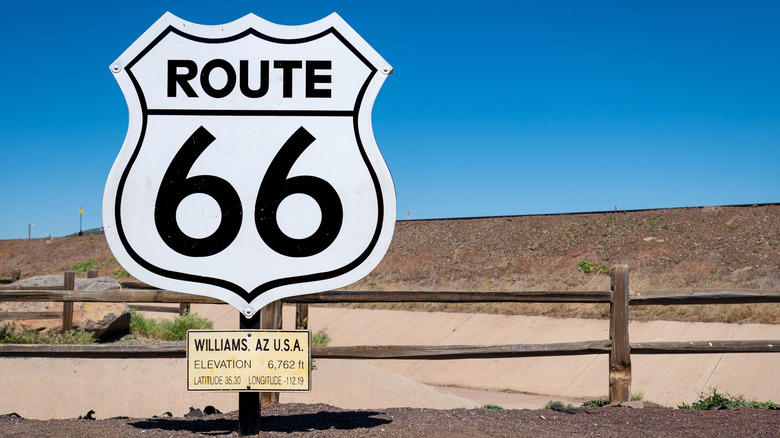
With an average winter low of 22 degrees Fahrenheit and average annual snowfall of around 66 inches, the small town of Williams falls well within our criteria for what is considered winter weather. The town has its elevated location in northern Arizona (6,770 feet up the Kaibab National Forest) to thank for its cold weather, and its proximity to the Grand Canyon to thank for it being known as "the gateway to the Grand Canyon." Visitors who head to the destination use it as a base to explore the famous national park. But around Williams, there is a lot of fun to be had.
The town has a character all its own, with a smattering of quirky and historical charms reflective of its founder, who was a mountain man renowned for trapping. It's also the last town on historic Route 66, one of America's original highways that still traverses some of the original towns. Road trippers and historians who stop in Williams can overnight in a range of hotels suitable for every type of traveler.
South Rim, Grand Canyon
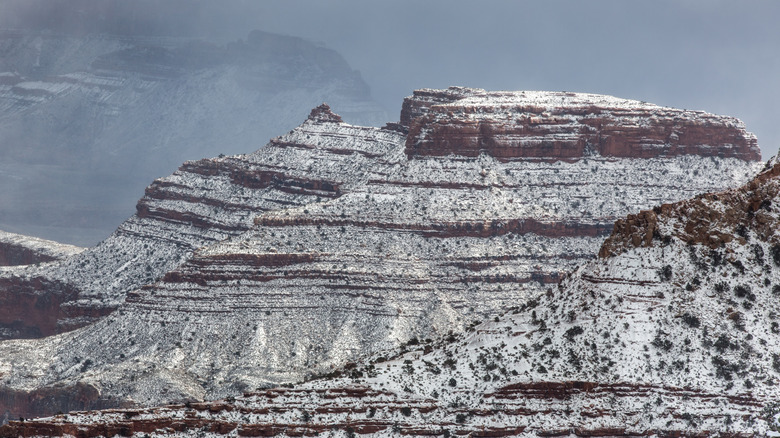
The third-most-visited national park in the U.S. and one of the world's seven natural wonders happens to be one of the coldest destinations in Arizona. Travelers in our research also found the destination quite snowy. In fact, one visitor on Reddit experienced snow as late as May: "I did a Grand Canyon Rim to Rim one year on Memorial Day, and it snowed on me as I finished. Northern Arizona is one of the snowiest places in the country."
Located in northern Arizona, the Grand Canyon gets so cold that, in winter, park officials close its Northern Rim due to the dangers posed by the extreme cold and snow in that region of the park. To paint the picture, hikers who climb the North Rim in winter could find themselves buried in snow, as the average annual snowfall in the region is 142 inches, while on the South Rim, it's only 58 inches. This leaves the South Rim open for visitors looking to enjoy during winter. Spiritual views of towering cliffs, the Colorado River, and wildlife characterize the famous park. In winter, those cliffs get a frosty white coat, but the view still inspires calm and reflection.
One of the best trails to tackle in winter is the South Kaibab Trail. Etched into an area of the canyon that has no shade from the sun, snow on the trail melts easily during winter, leaving it fairly ice-free and easier to hike. However, there is no water supply along the popular trail, so bring plenty. Other trails are open, but they will be covered in snow and ice, so be sure to add a traction system to your shoes so you don't slip and fall. Also, dress warmly, carry lots of water, and bring a first-aid kit.
Snowflake
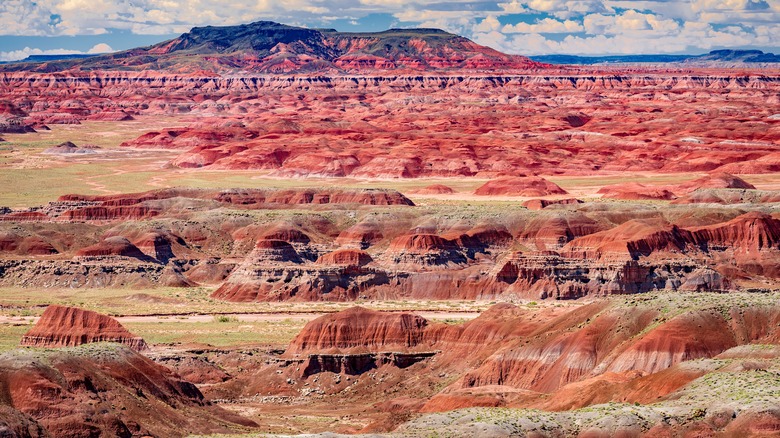
It may seem that Snowflake is aptly named since it belongs on this list, but the town's name has nothing to do with the amount of snow it gets. Snowflake was founded by Erasmus Snow and William Flake — thus the name. The picturesque town gets covered in snow in winter and sees temperatures with average lows below freezing from December to February. These temperatures, along with a dusting of snow, make it a good destination for those looking for cold weather. While surrounded by these views, visitors are in for a journey back to the past.
The mountainous town is best known for its pioneer history. Those founders the town is named after were Mormon pioneers who settled there and brought with them 19th-century architecture. Today, 26 of those buildings still stand. Tours to see the finer details of their Victorian and Gothic Revival exteriors and the 19th-century artifacts inside can easily be arranged. The John A. Freeman Home is a favorite for its pretty "gingerbread house" style.
Nature lovers who visit Snowflake will find themselves less than 45 minutes from the gorgeous Petrified Forest National Park. The park is not really a forest in the traditional sense of the word. It's actually made of minerals. Hikers visit to experience the eruption of color emanating from plants and trees turned into colorful quartz through a special fossilization process called petrification. In winter, the colorful quartz on the petrified structures shimmers vibrantly and takes on a fairy-tale quality, thanks to the moisture from the melted snow. The park stays open through winter.
Alpine
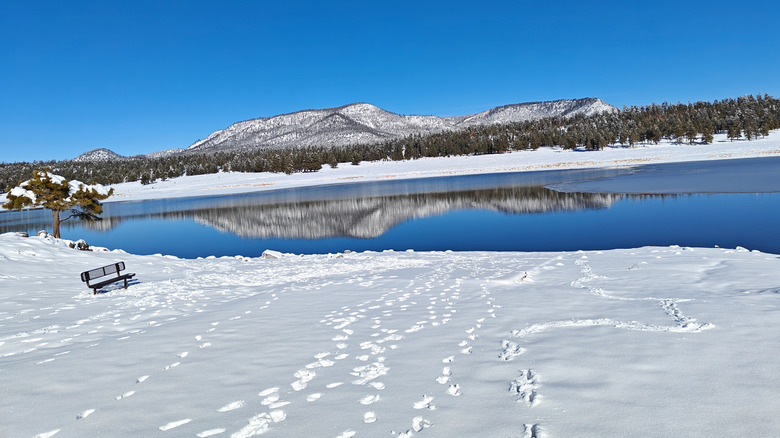
Don't be fooled by Alpine's population size of 100 residents. The tiny town is big on scenery, with its wintry landscapes being so gorgeous that it earned the nickname "Alps of Arizona." Like the Swiss Alps, Alpine gets really cold in winter, with annual snowfall of 46 inches and lows that stay well below freezing. The town is so cold that it's been ranked one of Arizona's coldest. This cold weather, along with the town's location between two lakes, makes it an outdoorsy paradise filled with wildlife and winter fun that will make a visit memorable.
Visitors can take in winter wildlife in the area, go snowmobiling, or ice fish on the frozen lakes. Nearby Hannagan Meadow offers cross-country skiing on fresh powder at elevations of 9,000 feet. The ski area's height means it's the first to see snow most years, so skiers wanting to get a start on the season will want to head there. Those looking for a facility with snowmaking abilities and well-groomed trails will want to head to Sunrise Park, where 67 trails, three mountains, and seven restaurants make it the largest ski resort area in Arizona. Sunrise also has parks for snowboarding and lanes for snow tubing.
Those skiing in Hannagan Meadow will find the rustic Hannagan Mountain Lodge appealing. With rustic log cabins, rooms in a log cabin-style lodge, and a restaurant, the lodge offers comfortable stays for winter lovers planning a visit to snowy Alpine. Sunrise Park also operates its own full-service hotel called Sunrise Park Lodge, with restaurants, a pool, a hot tub, and more.
Prescott
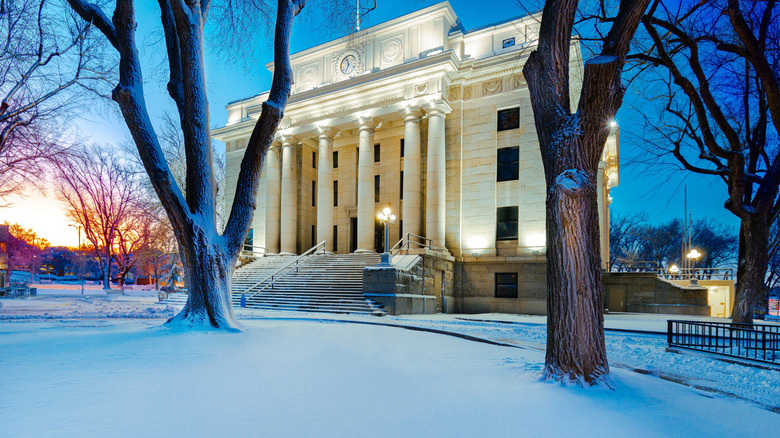
Prescott was highly recommended for snowfall during winter and authentic Western vibes. Although many noted that the snow melts quickly, travelers in our research still found the city a winter wonderland. Here is how one Reddit user described it: "As of now we have a dusting of snow. There won't be much playing in the snow but there is a small amount ... If you didn't come up yesterday or not coming up today, it will be gone tomorrow."
Thanks to temperatures that can get as high as 54 degrees Fahrenheit during winter, snowfall melts quickly. But since the city sees lows in the 20s, it is still cold enough to be considered wintry. Under the dusting of snow, cold-weather lovers can go hiking on trails around the city or around one of the many lakes. After hiking, Prescott puts Arizona's Wild West era on full display. Start at the Sharlot Hall Museum to see exhibits on the Indigenous people and their peaceful lives before the pioneers. Continue your journey on the grounds of the museum to see homes built by Arizona's earliest pioneers once they arrived.
The next stop is Whiskey Row, where authentic saloons from Prescott's Wild West era can still be found. The saloons may date back to 1900, but there are no gunslingers or pioneers making deals over handshakes. Instead, today they are places for live music shows, craft beers, and pub food. Order is required where there is lawlessness. And that is exactly what Fort Whipple Museum delivers. The museum sits in a fort where lawmen were stationed to protect Prescott's gold fields and its earliest settlers. Apart from historical attractions, visitors who come during the holidays will find that Prescott is one of the U.S.'s best Christmas towns.
Show Low
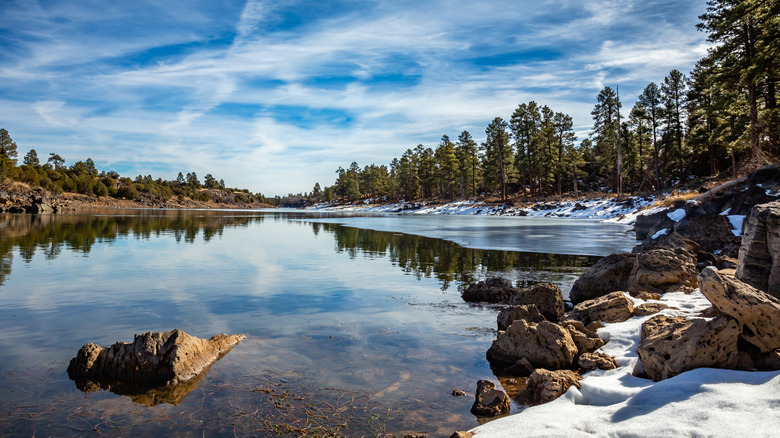
Show Low consistently makes it onto lists of the coldest places in Arizona thanks to annual snowfall of 40 inches and average low temperatures between 23 and 27 degrees Fahrenheit from December through February. Visitors consistently recommended Show Low for its high snowfall, with one Reddit user lamenting the snowstorms that sometimes occur: "A few years ago, we were visiting my cabin up north near Show Low, and we had a snowstorm that made it dangerous to drive. We were going to be snowed in when we realized that there was a break in the storm. Dashed out of there before the next cell could dump on us."
In winter, Show Low's hiking trails get covered in enough snow to make them perfect for snowshoeing. Creek Trail is a good one to try. For sledding, the town has a snow-covered hill right next to Pine Parkway Plaza. For snowmobiling, Acorn Lodge in Greer is only an hour away. Thanks to its White Mountains location, the under-the-radar city also teems with wildlife. Nearby, Fool Hollow Lake Recreation Area is a natural habitat for many animals, including majestic elk. But the best area to see wildlife in winter is the Becker Lake Wildlife Area. Just 48 minutes from Show Low, the area is home to bald eagles and waterfowl that appear in winter.
Arizona Nordic Village
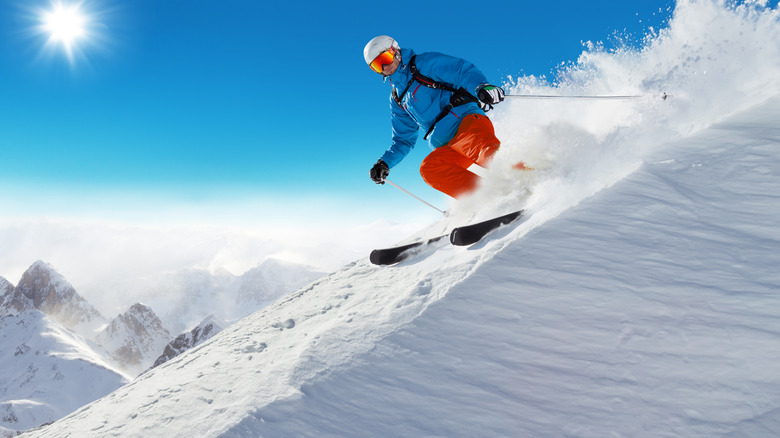
Unlike other destinations on this list, Arizona Nordic Village isn't a town. The popular ski resort area, known for well-groomed, snowy trails and cold weather, is a winter sports lover's paradise thanks to 35 miles of trails and cozy yurts that can be booked overnight. Nestled in the highly elevated Coconino National Forest in northern Arizona, the destination sees temperatures that consistently drop below freezing in winter, and it also gets significant snowfall. Both skiing and snowshoeing can be enjoyed at the frosty destination. Those without equipment of their own can easily rent skiing and snowshoeing gear on-site.
In the surrounding Coconino National Forest, winter lovers will find other opportunities for winter sports. Arizona Snowbowl, with its 61 trails and eight lifts, is perfect for more advanced pursuits like uphill skiing and snowboarding. Peak View Winter Recreation and Parking Area has slopes within sight of the picturesque San Francisco Peaks for those who like their skiing to come with views.
Payson
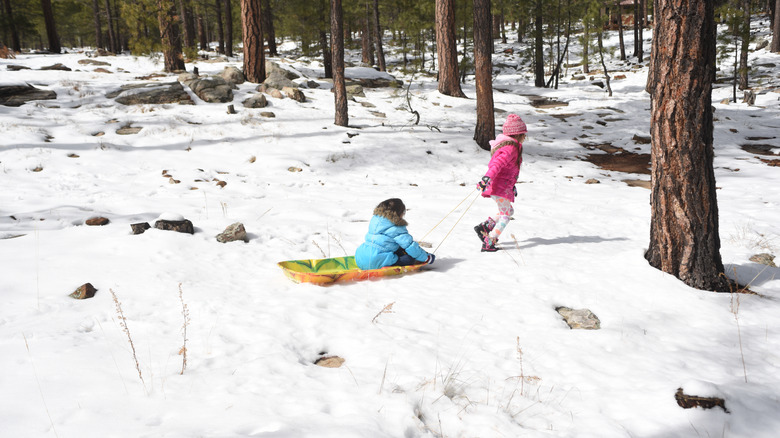
Payson is another of Arizona's coldest and snowiest destinations that travelers in our research raved about for its beauty when covered in snow. On Reddit, this former resident had this to say: "Grew up in Payson ... Loved winters there. Not too harsh, usually a few good snowfalls every year." The city gets an average of about 20 inches of snow each year and sees low temperatures that hover around freezing in winter. Its central location in the Mogollon Rim makes it a hub for Rim Country's winter pleasures and scenic drives.
Around town, Green Valley Park has hills that become covered in snow each winter. According to a traveler on Google, the hills are perfect for families with kids: "Drove up from Mesa (~1.5 hours) to let my grandson play in the end of Jan 2021 snowfall. This park had some nice hills covered in snow plus public restrooms and plenty of parking." Steps from the park, the Rim Country Museum showcases the history of the region and has Zane Grey's cabin. The famous author wrote numerous Western novels that helped define the Western genre. He fell in love with Rim Country and wrote three of his novels there.
Methodology
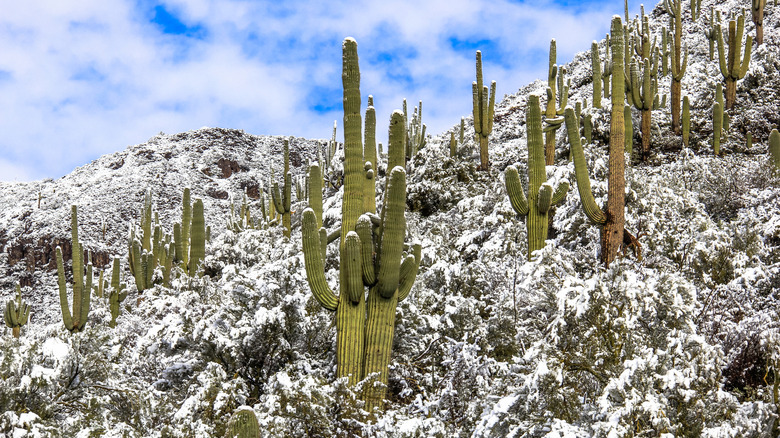
We began our research by defining what would qualify as winter weather. Since cold can be subjective, we wanted a consistent criterion by which to judge the destinations. We settled on temperatures at or below 32 degrees Fahrenheit, as the freezing point is universally understood to indicate freezing conditions. We also determined that the towns had to experience snowfall, as snowy views are a key part of the appeal for cold-weather lovers seeking a winter destination. Once this was settled, we searched through travel boards and forums, like Reddit, to find snowy destinations in Arizona with the best traveler reviews. We also consulted weather authorities such as U.S. Climate Data and WeatherSpark to ensure each destination met our criteria for winter weather.