
Rick Steves' 5 Best Tips For Planning Your Perfect Europe Itinerary
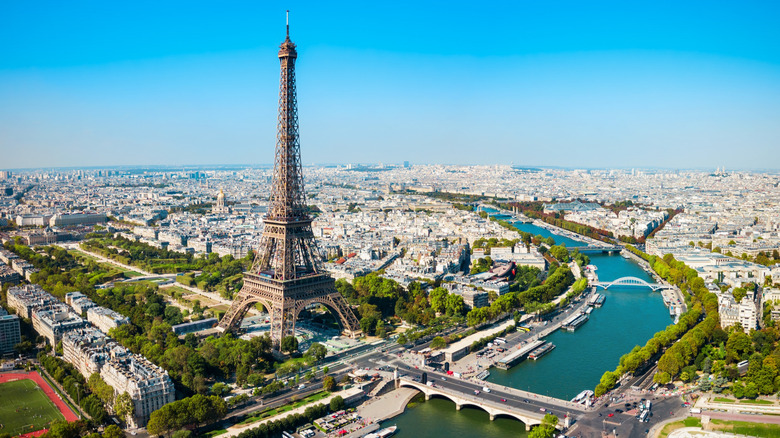
Planning a Europe travel itinerary is as thrilling as it is overwhelming. On the one hand, oodles of vibrant culture, storied history, art masterworks, phenomenal cuisine, and mind-blowing architecture await. On the other hand, planning where and how to travel among Europe's 44 countries, not to mention what to do when you get there, can seem a Herculean feat. Fortunately, the travel gods have blessed us with Rick Steves, the celebrated travel expert who has been visiting Europe for more than five decades, and spends an average of 100 days a year overseas. We've sifted through Steves' endless trove of travel advice to bring you his five best tips for planning your perfect Europe itinerary.
According to Steves in his video "Planning a Smart Itinerary," designing an outstanding travel plan boils down to one simple thing: "The bottom line in your itinerary planning is you've got to do your homework so you know how to get the most out of every day." On average, Americans only have about 10-15 paid days off per year, a relatively short amount of time that requires we get intentional with our travel planning. Winging your precious days in walkable, art-filled Florence, or going full tourist trap somewhere like Spain's overcrowded, ridiculously priced Costa del Sol is no way to spend your hard-won time and money.
Considering this short vacation window, Steves recommends planning to return Europe. Rome wasn't built in a day, so trying to see it all in one jaunt is a fast track to blisters and burnout. Europe is the land of revelry, so plan an itinerary that lets you immerse in key destinations and save what's left for your next trip. With this in mind, read on to discover Steves' savviest tips for planning an incredible, streamlined European itinerary.
Visit places that align with your interests
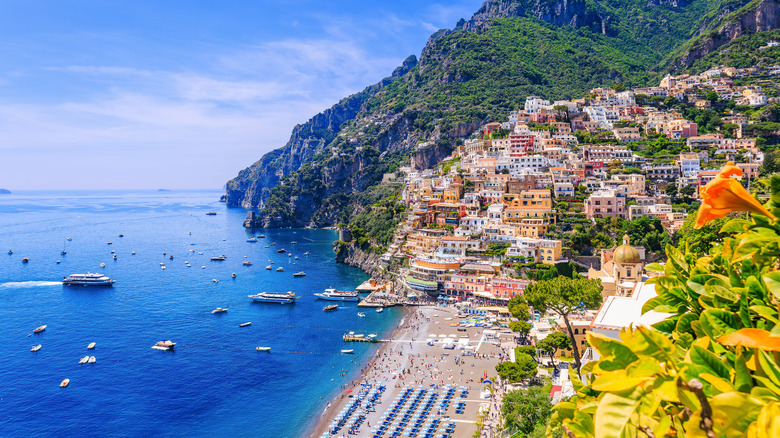
Rick Steves suggests to kick start your planning by brainstorming a list of places in Europe to visit that align with your interests. If winding your way through the jewel-box towns along the Amalfi Coast sounds divine, don't plan a hiking trip to the Swiss Alps simply because your co-worker can't stop raving about their Alpine excursion. You want to build an enriching itinerary that will create lasting memories. Don't just check boxes or acquiesce to outside influences — go where you want to go.
Once you know where you'd like to travel, work up a rough itinerary that takes into account the number of days you plan to spend in each destination. Avoid what Steves calls "one night stands," or spending less than two nights in a single place. This will guarantee you at least one full day of exploration after taking into account the standard hotel check-in and check-out times of 11 a.m. to 12 p.m. and 3 to 4 p.m.
To travel at an enjoyable pace, think about alternating big cities with smaller towns. If you're traveling through France, you can break up the whirlwind of seeing Paris, Marseille, and Nice with relaxed breaks in between to places like the secret medieval countryside town of Saint-Victor-la-Coste, or the serene, lesser-visited seaside resort town of Ault. Less-traveled escapes like these serve to mitigate the overwhelm of heavily-touristed cities, and can often be the most magical and rewarding part of your trip.
Consider the weather and seasons

Ever had to cancel your Caribbean vacation after learning you booked smack-dab in the middle of hurricane season? If so, congrats — you know firsthand what a massive role the climate can play in your travel plans. While you generally don't need to be on high alert for hurricanes in Europe, you definitely need to consider the weather and seasons.
On Steves' blog Rick Steves Europe, he shares an excellent nugget of wisdom on how to travel in sync with Europe's weather patterns: "Match the coolest month of your trip with the warmest area, and vice versa." What does this look like? If you're planning a multi-country trip, first do your Mediterranean leg during the months of April, May, and June (Mediterranean countries can be scalding deeper in the summer), then move on to journeying through northern Europe. According to Steves, this strategy should yield pleasant temperatures for your whole trip. Steves himself travels this way, enjoying a Mediterranean spring before summering north of the Alps.
Steves is also a big fan of visiting European cities during the winter season. True, sweater weather can be brisk, wet, and even snowy, and your daylight hours will be shortened, but off-season advantages like cheaper airfare, accommodations, and thinner crowds shouldn't be ignored. Reduced tourism means less time standing in lines for attractions, and a much slimmer chance you'll be jostled within an inch of your sanity inside places like Europe's exquisite museums. It's also a magnificent time to soak in the winter wonderland vibes at these charming, less-crowded Christmas markets that Rick Steves recommends.
Plan your Europe itinerary around festivals and holidays
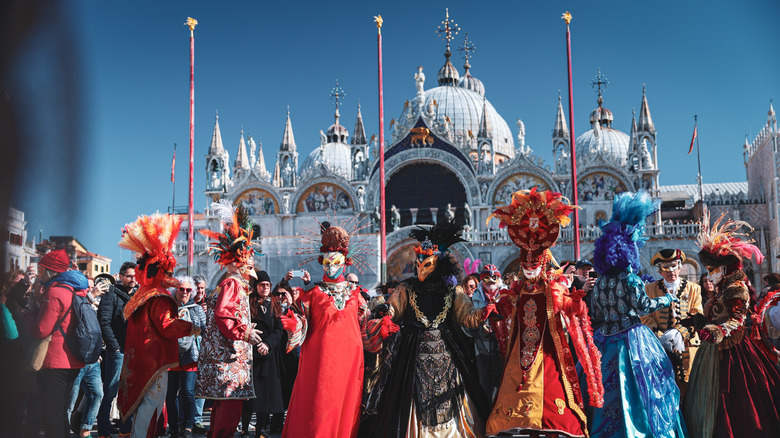
From the Cannes Film Festival and Venice Carnival to Pamplona's running of the bulls and Munich's Oktoberfest, Europe gifts visitors with an endless parade of fanfare and festivals. Savvy trip planners should heed Rick Steves' advice to design an itinerary that takes Europe's vibrant festival scene into account. If you're a massive music fan, it would be a pity to miss out by just days or weeks on attending iconic festivals like Tomorrowland in Belgium, or Glastonbury Festival in England, because you didn't do your homework. By the same token, it would be awful to have your trip hampered by sold-out hotels or sky-high accommodation rates all because you had no clue a major festival was rolling through town. Hit the internet to discover what's happening along your itinerary and when.
The same advice applies when it comes to national holidays. You don't want to risk saving your last day in Paris to scale the Eiffel Tower only to find out it's Bastille Day, a major holiday in July when the iconic attraction is closed. If you do find your trip coincides with a festival or holiday, plan accordingly. Book hotels, rental cars, restaurant reservations, and tickets for attractions well in advance, and be prepared with things to do in the event that attractions are closed.
Get your transatlantic flight and Europe transportation in order

Rick Steves says it isn't always logical to fly into and out of the same airport in Europe, particularly for trips that span multiple countries. If you're visiting, say, Dublin, Berlin, and Athens, Steves suggests traveling from west to east. So you would land in Dublin and return home from Athens. Flying this way might seem more expensive, but Steves argues you'll save time and money after factoring in extra transportation costs. "I used to fly into Amsterdam, travel to Rome, then ride one full day by train back to Amsterdam to fly home because I thought it was 'too expensive' to pay $200 extra to fly out of Rome," Steves writes on Rick Steves Europe. "Now I understand the real economy — in time and money — in breaking out of the round-trip mold."
For travel within Europe, drill down on comparing different modes of transportation. Steves says start by circling your destinations on a map, deciding on a timeline of how long you'd like to spend in each place, and then determining how to travel from place to place. Play with plugging your itinerary into Rome2Rio, a helpful online tool that estimates travel time by train, car, bus, and ferry. Use flight aggregators to compare travel time and airfare, and consider the pros and cons of traveling either by plane, train, or automobile. Riding the rails is one of the most scenic ways to experience Europe, but travel times can be arduous. Europe boast several cheap, convenient budget carriers, although many have baggage restrictions. Rental cars give you control and flexibility, but you may incur fees for drop-offs and pick-ups in different cities. Ultimately, the goal is minimize your travel time so you can maximize your time enjoying each destination.
Fine-tune your Europe itinerary

With the heavy lifting done, it's time to fine-tune your Europe itinerary. Start by reviewing your rough itinerary for ways to tighten things up. On Rick Steves' blog, he encourages travelers to skip visiting similar destinations, like choosing to see either Cambridge or Oxford, not both. Next, trim any overkill. Instead of a full week in Rome, consider doing four or five days and then jaunting off-the-beaten path to one of Italy's historic, hilltop towns surrounded by vineyards. Once your itinerary is streamlined, double-check for hiccups like holidays or festivals that could unravel your plans. Visit tourism websites and thumb through guide books to ensure all the attractions want to visit will be open, and check for tickets that must be purchased in advance. To avoid snafus, Steves encourages travelers to plot out every day of their Europe itinerary on paper.
Finalize the order of your trip. Another valuable suggestion shared on Rick Steves' Europe is to try to "see countries in order of cultural hairiness." In other words, visit destinations in a way that minimizes being overwhelmed by a new culture. For example, if you visit Ireland or England first, where locals speak English and lush green landscapes gently roll on for miles, you'll be less overwhelmed than stepping off the plane somewhere like Croatia or Greece, where never-ending staircases carve through steep hillsides and locals speak languages comprised of entirely different alphabets. Once the order of your trip is set, thoroughly review your transportation.
Lastly, stay flexible and don't over-schedule yourself. It's Europe – strikes happen! Expect niggles like these, as well as delays and issues with trains, traffic, flights, and hotels. To leave a little wiggle room for the unexpected, Steves advises planning for one slack day in a week in your itinerary.