
The 5 Deepest Lakes In New York, According To Data
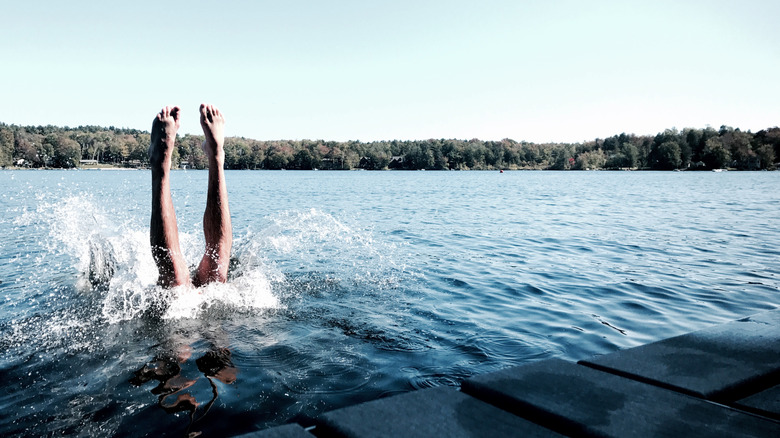
While New York is most famous for the massive, bustling city that shares its name, the state is also home to spectacular natural attractions. From waterfall playgrounds with cozy campsites and pretty trails to an awe-inspiring mountain range that serves as a gateway to the outdoors, the Empire State is full of unspoiled scenery that at times rivals much of what you find out west, including the largest state park outside of Alaska.
You can also find some remarkable waterways in this large northeastern state. There are at least 70,000 miles of streams and rivers — including the Hudson River, which is America's deepest — as well as over 7,500 lakes, ponds, and reservoirs. These range from small ponds to mammoth reservoirs, and while none reach the abyss-like depths of western freshwater bodies such as Lake Tahoe or Oregon's Crater Lake, a handful get impressively deep.
New York's lakes present plenty of opportunities for outdoor recreation, including swimming, boating, kayaking and canoeing, watersports, and, of course, fishing, along with exploring the shoreline on foot or by bike. Here are the top five deepest lakes in the state based on official data, along with features that make each one unique.
5. Lake George
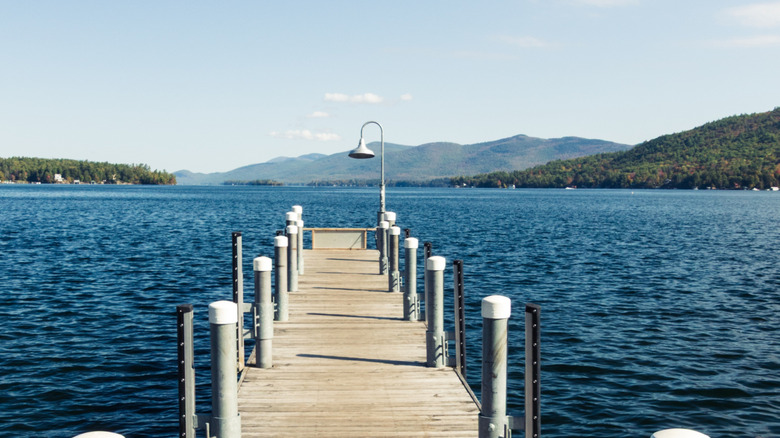
Situated at the southeastern base of the Adirondack Mountains, Lake George is a narrow freshwater body that reaches a maximum depth of 196 feet. This blue-water lake stretches for 32 miles between the village of Lake George in the south and Ticonderoga on its northern end. Nicknamed the "Queen of American Lakes" by 19th-century poet James Fenimore Cooper, Lake George has drawn visitors for centuries thanks to its beauty and rugged natural surroundings. This includes its idyllic shoreline and the nearby Pharaoh Lakes Wilderness Area, a 46,000-acre preserve with lakes, ponds, streams, and mountains, along with over 70 miles of hiking trails.
Lake George is particularly known for its more than 170 islands, 44 of which are owned by the state and offer opportunities for camping. These islands vary in size, are clustered in three separate groups, feature well-kept sites tucked among the forest, and are even home to native deer. It's also a great place for anglers, with a number of fish species calling its waters home, including mammoth lake trout and landlocked salmon.
One of the most popular ways to experience the lake is to get out on the water on a cruise. The Lake George Steamboat Company offers a number of cruises on vintage paddlewheel steamboats, which will transport you back in time as you glide along the placid surface to the chug of the engine and turn of the wheel. For more history on Lake George, check out Fort William Henry, a former British Garrison that played a key role in the French and Indian War in the mid-1700s. When it comes time to lay your head, consider staying at Highlands Castle, a wildly charming real-life castle that overlooks the lake.
4. Canandaigua Lake
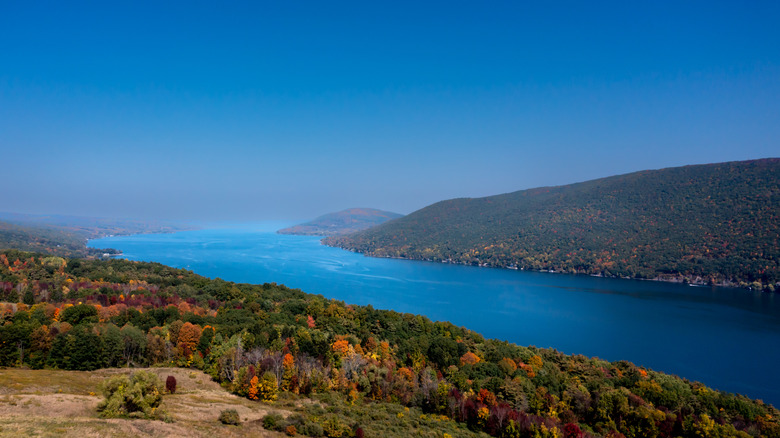
Four of New York's deepest natural lakes are found in the Finger Lakes region, known not only for its natural beauty, but also for its award-winning wines and culinary charm. The 11 narrow lakes were formed by advancing and retreating glaciers that dug trenches in the earth over the course of several ice ages. These channels eventually filled with water, and now resemble a watery "handprint" in western New York.
Canandaigua is the fourth largest of the Finger Lakes and was once known as "The Chosen Spot" by local Indigenous nations. It's approximately 15.5 miles long and gets as deep as 276 feet, which puts it near the top of the list as far as lakes in New York go. Most of the shoreline is lined with homes, and the lake provides drinking water to the surrounding towns and communities. The city of Canandaigua sits at the northern end of the lake, while Naples occupies the south. Naples, in particular, is known for its wine production, and every year hosts the Naples Grape Festival, a two-day soiree celebrating the sweet and sour little round fruits that not only make the local wine, but supply the filling for grape pie, a local dessert delicacy.
Like most lakes in New York, Canandaigua offers great fishing, especially for sought-after species such as lake trout, brown trout, and rainbow trout. The lake also supports healthy populations of largemouth and smallmouth bass, along with panfish. Paddlers frequently explore the shoreline by kayak or stand-up paddleboard, with rentals available through local outfitters like Canandaigua Sailboard.
3. Skaneateles Lake
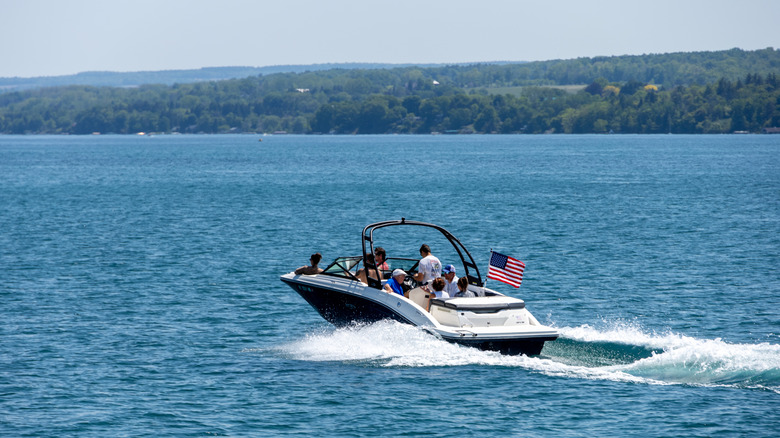
Coming in at 300 feet deep, Skaneateles is the fifth-largest Finger Lake and means "Long Lake" in the Iroquois language. Known for its aquamarine hues, this 16-mile sliver of water sits just 23 miles from Syracuse — central New York's food and art paradise — making it an ideal day destination trip from the city.
At the northern end of Skaneateles Lake sits the village that shares its name, known for its quaint vibes, antique stores, galleries, boutiques, and good restaurants. On Friday nights in the summer, visitors can soak up the free live music at the gazebo in Clift Park, or head out on a lunch or dinner cruise with Mid-Lakes Navigation.
If you feel like pampering yourself, let your worldly cares go at Mirbeau Inn & Spa, a complex modeled on a French manor house featuring a koi pond, an herbal-infused steam room, a cedar sauna, massage services, and more, along with 34 guest rooms. Also, this being the Finger Lakes, a wine tasting is a must, and on the western shore of the lake sits Anyela's Vineyards, which produces an array of vinos from cabernet sauvignon to the riesling the region is famous for. Anyela's offers on-site tastings of most of its offerings, as well as accommodation at the Austin House, a beautifully restored vacation rental that sleeps up to 10 people.
2. Cayuga Lake
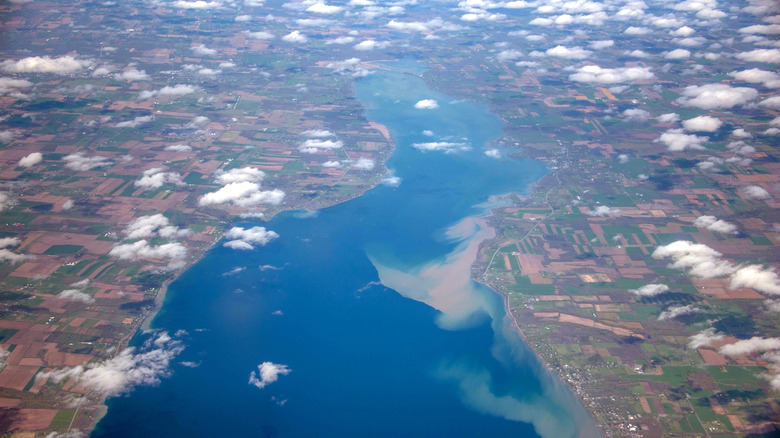
At 38 miles from top to bottom, Cayuga is the longest Finger Lake and second deepest, with depths of up to 435 feet. It's also relatively wide, reaching 3.5 miles in spots, a figure matched only by its neighbor, Seneca Lake. In addition to its natural grandeur, Cayuga Lake is also the most populated of the Finger Lakes, with the historic towns of Ithaca and Seneca Falls calling its shores home.
Cayuga Lake has an interesting history, as it's linked to the Erie Canal — New York's calm 524-mile waterway that passes through picturesque villages — via the Cayuga-Seneca Canal. This strip of water runs for 12 miles through locks and the 7,000-acre Montezuma National Wildlife Refuge, home to over 300 bird species. Cayuga's connection with the Erie Canal allowed its towns — especially Ithaca — to flourish from waterborne commerce.
One great way to experience the lake is by driving the Cayuga Lake Scenic Byway, an 87-mile loop that circles the massive natural reservoir. You can stop off in scenic villages that dot the shoreline, take in the cascades at Taughannock Falls State Park – home to the tallest free-falling waterfall in the eastern U.S. – or browse the stalls at the Ithaca Farmers Market, a weekend exchange where all the goods on offer are grown within a 30-mile radius, making it a truly local experience.
1. Seneca Lake
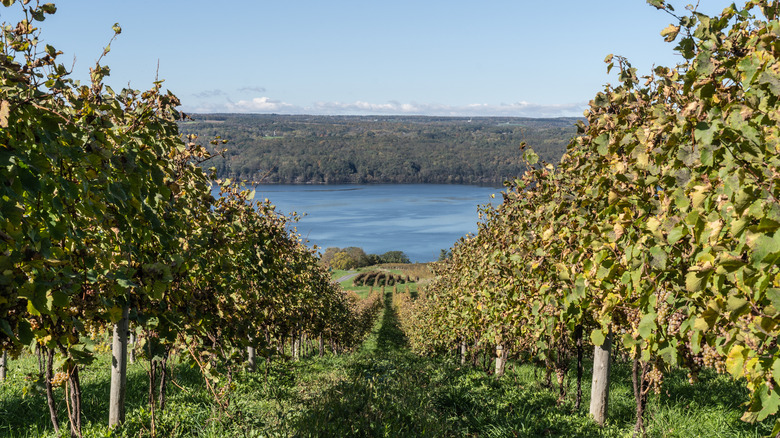
Seneca Lake, New York's deepest, measures 618 feet from surface to bottom at its maximum point and is known for both its natural beauty and the nearly 50 world-class wineries that line its shores. People come to Seneca to boat, swim, and fish – it's especially known for its populations of rainbow and brown trout – as well as to experience the charms of its two main settlements, Geneva in the north, and the village of Watkins Glen in the south, where you'll also find Watkins Glen State Park, an ethereal, waterfall-filled park.
Other parks at Seneca Lake include Sampson State Park, which is great for camping, boating, and mesmerizing sunsets, Deer Haven Park, which occupies the grounds of the decommissioned Seneca Army Depot, and the nearby Finger Lakes National Forest, which features over 30 miles of mixed-use paths ideal for hiking, biking, snowshoeing, cross-country skiing, and horseback riding.
You could argue that wine is the true star of the show at Seneca Lake, and you can experience local concoctions via the Seneca Lake Wine Trail. This popular route covers 34 local vineyards, where visitors can sample a range of cool-climate varietals produced by local vintners, along with food-and-wine pairing events.
Methodology
In compiling this list, the lakes were selected and ordered based on their maximum recorded depth. We reviewed sources, including the New York State Department of Environmental Conservation, the U.S. Geological Survey, and Encyclopaedia Britannica, along with websites such as fingerlakes.com, to determine which lakes are the deepest in New York.