
10 Best Places To Travel In 2026, According To Travel Experts
We may receive a commission on purchases made from links.
The world's a big place. So big, in fact, that it can be tough to narrow down where we want to travel at any given time. The questions are endless. Is one destination overrated? Is another being overtouristed? Is now the sweet spot for visiting a relatively under visited country? Analysis paralysis can kick in, and before we know it, the year's gone, and you're back to square one.
Major travel media outlets do their best to narrow down a list of "wheres" and "whys," honing in on new tourism development, popular trends, and under appreciated spots, but while they're usually good advice, reading multiple can just leave you with just as long a list as before.
To help, we've scoured as many of these "Best Places to Travel In 2026" lists to find the countries, cities, and regions that have found a place on multiple lists, whether for their spectacular landscapes and food, unique culture, shifting tourist experience, or because the stars are aligning to make it the perfect time to visit. Hopefully, your own list will be a little shorter after this one.
Oulu, Finland
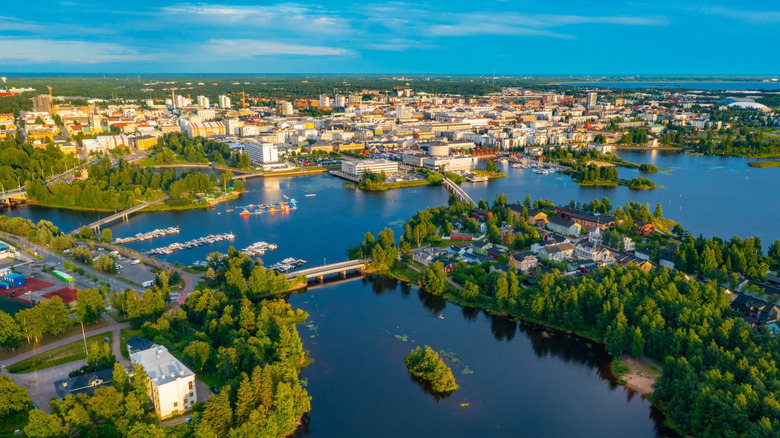
Finland gets a lot of exposure for being one of the "happiest places to live in the world," topping quality of life and contentment indexes year after year. But other than winter Lapland trips, it's always somehow slipped through the cracks of the collective travel consciousness. That's no longer the case, but it's not the well-known capital, Helsinki, that's getting the attention. Instead, it's the remote town of Oulu.
Featured in Conde Nast, National Geographic, and Travel and Leisure's 2026 lists, the extreme-northern town of Oulu (pronounced "oh-loo") is a surprisingly well-rounded destination. Sitting just below the Arctic Circle, the expected draws of a cold Scandinavian getaway are all present — sauna culture, the Northern Lights, nature reserves, and reindeer — and it's one of the best places to experience the Indigenous Sami peoples' culture. Plus, its breathtaking forest and Baltic Sea-fringed location are worth it in themselves.
But there's far more going on in Oulu than you'd expect. Oulu is one of two European cities chosen as 2026 Capitals of Culture, making a visit this year extra special. There are several exhibits and celebrations throughout the year, with the overarching theme centering on Cultural Climate Change. Expect everything from art and tech collaborations to the Arctic Food Lab, which lets diners enjoy a higher-end version of the raw seasonal foods that sustained the region for centuries. The Summer Solstice festival takes the long sun-set-less days and celebrates them with mountaintop clubs and art exhibits, while the Summer Night's Dinner in mid-August invites locals and visitors to enjoy a communal dinner in the streets. There truly hasn't been a better time to visit this unusual corner of the world.
East Coast Barbados
Barbados, as with many Caribbean countries, is often considered nothing more than a resort-laden beach getaway. Thankfully, that mindset is shifting, and many travelers are discovering the rich culture outside of the hotel walls. The Caribbean's most easterly island is investing heavily in its tourist infrastructure, and with more direct flights from the U.S. than ever before, it's never been easier to check out the stunning destination.
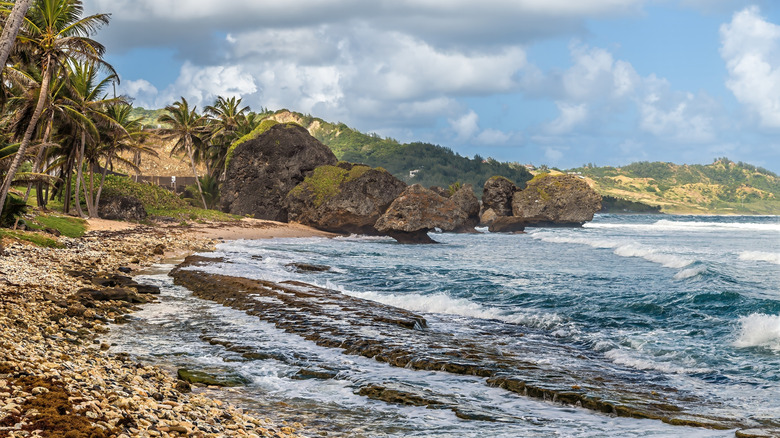
While the island as a whole is delightful, it's the Eastern Coast that's getting much of the plaudits recently. Less developed, with a rugged, Atlantic-wind-swept landscape, the region rewards the adventurous. Surfers are well-catered to by the Soup Bowl, a renowned surf spot that boasts powerful barrels from November through April, while those with hiking boots in tow can take in some epic hikes, whether that's through the old-growth forests up to Hackleton's Cliff viewpoint or along the path of a former railway between the beaches of Bath and Bathsheba. The bulk of the region is protected, so you won't see much in the way of trees coming down, helping to preserve the wonderful landscape.
Of course, with the lack of tourism on the East Coast, accommodations aren't as numerous as they are on the West Coast. But that's not necessarily a bad thing. Historic Bathsheba is awash with design-forward small hotels and homestays. Some, like the Round House, are over 150 years old, while other self-catering options are simple, stilted beach houses. Throw in an excellent food scene and well-preserved historic ruins, and you have the makings of an unbelievable trip. It's a completely different feel, but one that could make you fall in love with Barbados in a way the 5-star amenities never could. Barbados also offers a 12-month remote worker visa, too — just saying.
Naoshima, Japan
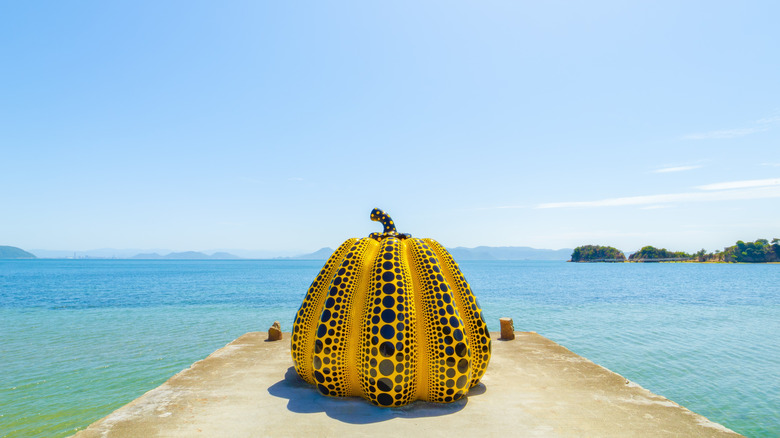
Only a few things are certain in life: death, taxes, and Japan's presence on any "best places to visit" list. The Asian tourist behemoth is incomparable for its culture, food, landscape, and safety, placing it firmly at the top of almost everyone's bucket lists. But while that remains true this year, the big names in travel are honing in on hyper-specific regions, many well off the beaten path. Conde Nast's pick, Japan's unique "art island," Naoshima, is a particularly obscure destination, offering something completely different than anywhere else you'd find in the country.
Naoshima itself is a tiny island in the southwest of the country, resting in the Seto Inland Sea, not too far from Okayama. At just about 5.5 square miles, many would be forgiven for passing it over. But those who visit discover one of Japan's most unique places, transformed from a few fishing villages into what is in effect an island-wide art exhibit. Its transformation has been slow, with the first installations going up in the early 1990s, but now, with the 2025 opening of Naoshima New Museum of Art, a stunning, semi-subterranean architectural marvel, it has cemented its place as a cultural and artistic hub.
The island is starting to garner attention from luxury cruise companies and other regional tours, as well as some investment in high-end boutique hotels, which means the secret won't be staying as such for long. It's definitely not a long-term visit destination, but the special nature of the island and the spectacular rejuvenation it's brought to a humble island is more than worth deviating from your original Japanese itinerary.
The Peloponnese, Greece
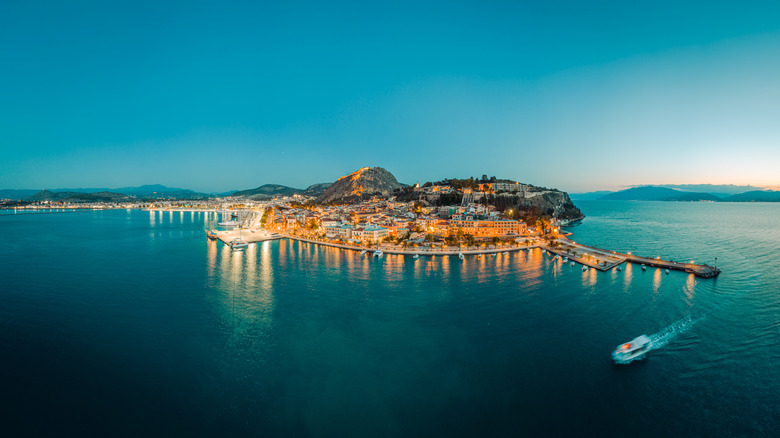
No, before you ask, Santorini is not in the Peloponnese. Greece is another vast country that tends to be minimized to a couple of iconic locations — namely, Athens, Crete, and the aforementioned beach destination you may want to skip, honestly. The Peloponnese, on the other hand, is a treasure trove of history, spectacular landscapes, affordable escapes, and luxury getaways — with a fraction of the crowding issues.
Featured in multiple outlets' lists, including Wanderlust and Conde Nast, the peninsula allows a feeling of remoteness that's tough to find in other corners of Greece. It's about to receive a lot of attention, owing to the upcoming release of Christopher Nolan's new movie adaptation of the epic poem, "The Odyssey." Filming took place on the island (and it's based there, too, along with countless mythical stories including Hercules, the Argonauts, and Greek gods) and makes heavy use of the startling backdrops. These are ripe for avid hikers to explore, best done using the Peloponnese Trails, a group of 12 routes that circle and cross the island, taking in the history as it does.
History should take center stage here, too. It's home to mainland Europe's first major civilization and one of its oldest continually-inhabited cities — Argos, on the northeastern coast. The region is littered with ancient sites, from the 3,200-year-old (estimated) Nestor's Palace through 16th-century medieval villages and beyond. For a base, the picturesque town of Nafplio is an excellent option, while the dramatic cliffside city of Monemvasia and harbor towns of Kalamata may as well have been plucked from a dream. Get there before the film buffs do.
Guimarães, Portugal
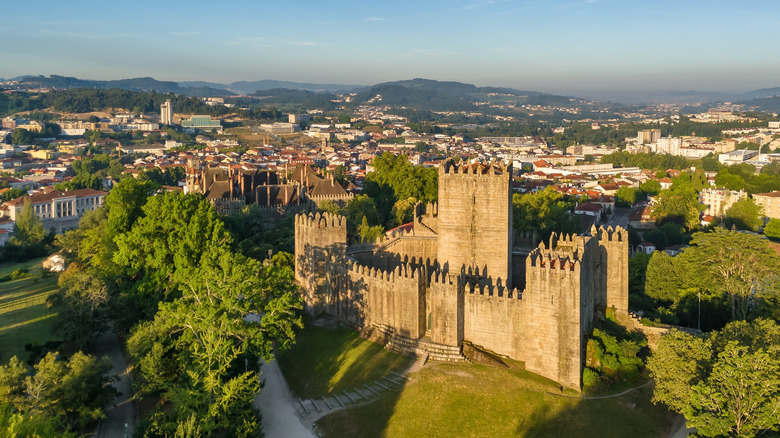
Portugal has been a hotspot for a few years now. Lisbon's ascendancy to a world-class destination, and Porto's defining of itself as one of the world's best second cities, have made it a must-visit for millions of travelers. But that's also brought problems with overtourism and the cost of living in the country. That may be why some of the big names in travel are suggesting Guimarães as an exciting alternative. Also known as the "Portugal's birthplace", the UNESCO-protected medieval town is a delight to experience, helped along by the lack of heavy crowds, and should be at the top of your 2026 list.
A Guimarães trip can, and should, revolve around its history. The 10th-century Guimarães Castle is one of the best-preserved of its kind in Portugal, and well worth exploring, as is the red-chimneyed Palace of the Dukes of Braganca. Even the town's medieval streets are a wonder in their own right, while the local cable car makes for brilliant views of it all from the top of Penha Mountain, where you'll also find the Sanctuary of Nossa Senhora de Penha, a well-regarded pilgrimage site.
Where Guimarães is truly standing out, however, is its forward-facing atmosphere. Its historical significance may be the obvious draw, but its eco-conscious stance is setting new standards for cities all across Europe. It was nominated to be Europe's Green Capital after years of blending tech-savvy ways of reducing its environmental impact without losing any of its historical significance. It's a balancing act few cities have succeeded in, but as Guimaraes aims for carbon-zero, it's proving it more than possible. Visiting this year gifts the opportunity to experience specialized exhibits and events revolving around the goal.
Rabat, Morocco
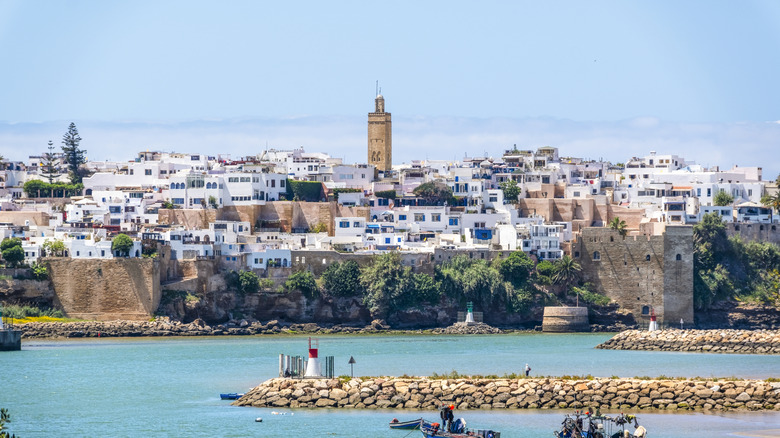
Think about Morocco, and your mind almost instantly shoots to the chaotic delight that is Marrakech — or maybe a bit of Casablanca if you're a movie buff. But few will turn their heads towards Rabat, the country's coastal gem and capital city. Sitting on the Atlantic coast, Rabat offers a more measured approach to the country than its more famous counterpart — a place that's often divisive among tourists for its intensity.
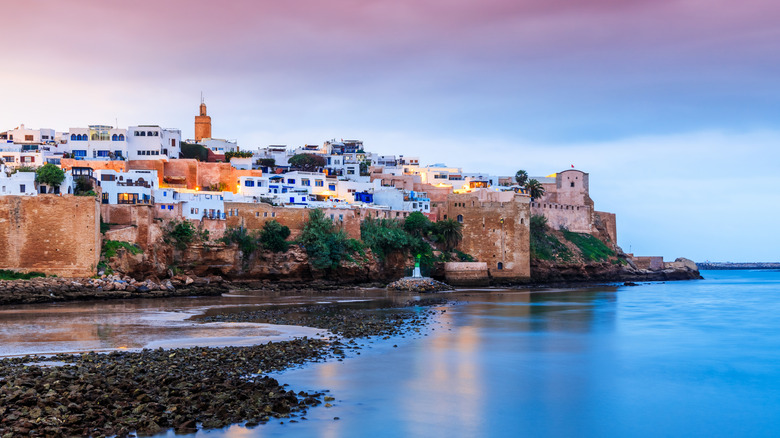
The capital, which Rick Steves describes as Morocco's most European city, has been sneaking its way into multiple "best of 2026" lists, including National Geographic and Time Out, thanks to its unique blend of old and new. It's both an ancient city and a modern, cosmopolitan hub, meandering in a quieter way than its neighbors, while being no less rewarding. It still has the almost-millennia-old kasbahs, like the wonderfully blue, 12th-century Des Oudaias, as well as later architectural marvels found in the French district, Ville Nouvelle, where you'll find stunning colonial-era homes and wide boulevards built for evening and morning wanderings. But that's countered by unique modern efforts, like the Royal Theatre of Rabat, and the sleek skyscraper, the Mohammed VI Tower — the tallest in Africa.
This year brings some extra opportunities, after the city was named UNESCO's World Book Capital. As such, you can expect different literary events at the city's varying bookstores and libraries. In a similar vein, the Mohammed VI Museum of Modern and Contemporary Art features hundreds of works centering around Moroccan and the greater African continent. Whether you've been to Marrakech and fancy a different side to Morocco, or are a little intimidated by the prospect, Rabat could be the perfect option for your next North African adventure — especially in 2026. Plus, the sunsets aren't bad over the Atlantic, either.
Hong Kong
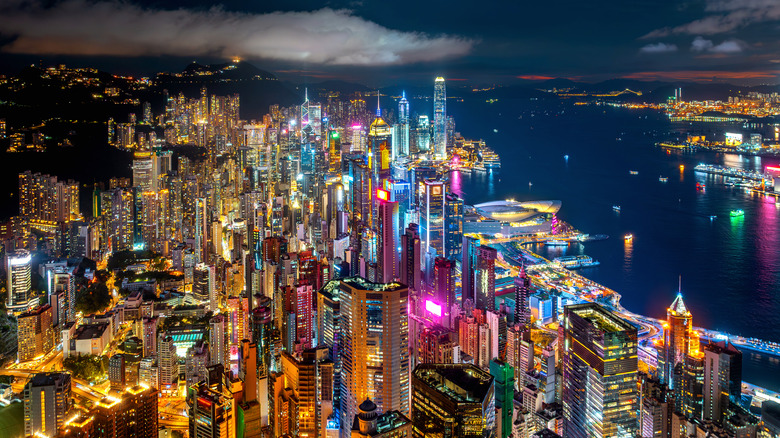
Hong Kong has been fairly absent from the global travel conversation for a few years now. Protests and civil unrest in 2019, in response to what inhabitants viewed as blatant erosion of the city's autonomy, put a dark cloud over things — prompting significant migration (especially young talent) and an increasing alignment with mainland China. But with appearances on Conde Nast and Time Out's 2026 lists, there seems to be something of a resurgence brewing in the city.
Let's face it: it's always been an unbelievable place to visit. The city that truly never sleeps is a bastion of both world-class street food and high-end dining; it's a masterpiece of modern architecture infused with wondrous green spaces; and it's a representation of Chinese culture with Western-facing industry (although this is now changing). Regardless of what's happened, the city is seeing heavy investment in tourist infrastructure, from its airport being touted to handle up to 120 million passengers by next year and a potential three-runway expansion costing around $18 billion.
It's also seeing major upticks in its cultural offerings, with added theatre spaces, new restaurants, and new additions to its already strong museum and gallery scene. The West Kowloon Cultural District is the heart of all this, but you've also got the Hong Kong Palace Museum, which features the largest Egyptian exhibition outside of the country itself, as well as Art Basel and the Hong Kong Arts Festival making appearances in March. Even its touristy areas are brilliant, like Hollywood Street, one of the world's coolest streets. There's always been so much to do here, and it's getting better all the time.
Türkiye
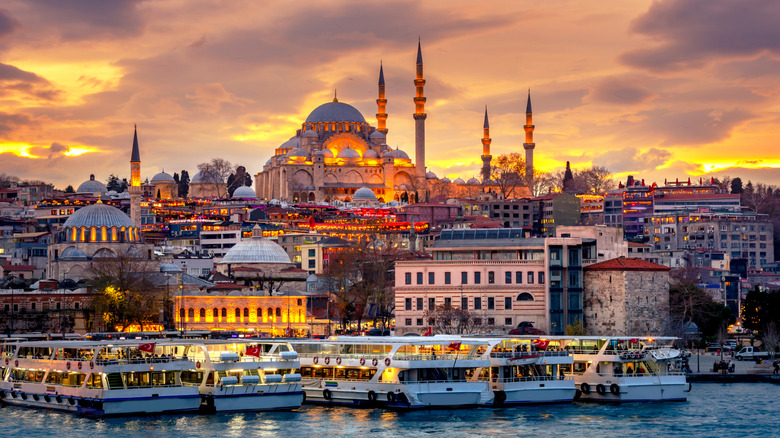
Türkiye — now its official name, as opposed to "Turkey" — features in multiple capacities across several lists. Instead of honing in on one, it's worth highlighting the sheer breadth of tourist experiences found in the continent-straddling country. From its ancient cities and archeological sites to tried-and-true beach getaways, and everything in between, the country remains one of the most remarkable destinations on the planet for so many reasons.
Istanbul, sitting proudly at the meeting point of Europe and Asia, is forever one of the world's greatest cities, and as eclectic as always. Your first sunset on the Galata Bridge, minarets blaring, locals fishing off the bridge, and a raki in your hand as you stare out over the undulating slopes of the ancient city is unforgettable. And that's without exploring anything yet. Its layers of Roman, Byzantine, Venetian, and Ottoman history are all begging to be pulled back. Further inland, Cappaodcia's surreal, practically martian landscape might be heavily touristed, but there's so much to discover beyond the instagram-prepped photos shoots. Its cave cities are remarkable, the hiking opportunities are tremendous, and some of its luxury hotels are unparalleled for atmosphere.
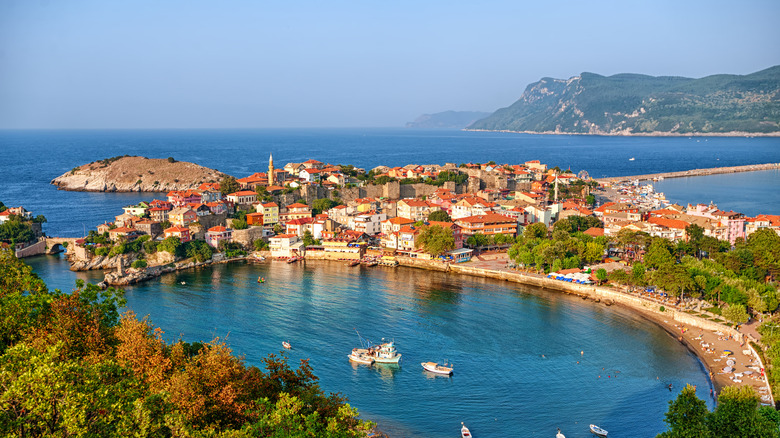
The country's Mediterranean and Aegean Coasts are familiar territory for sun-seeking Europeans, but the Black Sea Coast represents a different experience altogether. Often marketed as one of the few places you can surf and ski on the same day, its offerings (recreational, historical, and cultural) make it an excellent alternative to Türkiye's other coasts. With so much to see and experience, Türkiye can be a full-on, multi-stop adventure, or broken down into immersive trips in each of its component parts. There's nowhere quite like it.
Spain's Basque Country
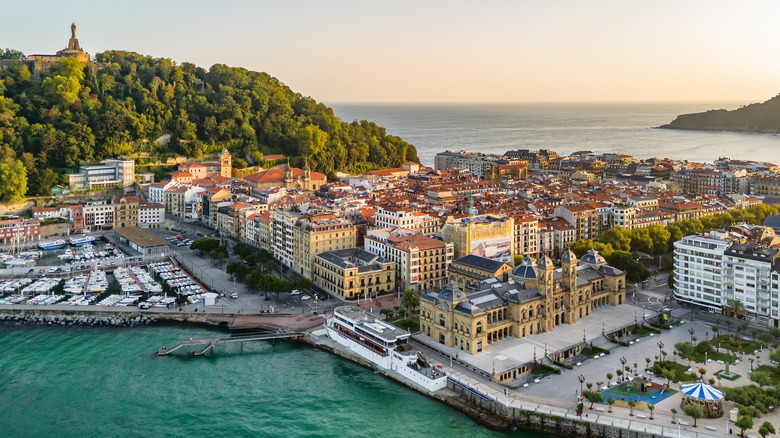
Spain is no stranger to travel accolades. It registers on some level with virtually every traveler in the world with its tremendous historical significance, countless beach getaway destinations, a renowned culinary tradition, and six of the 10 most-visited cities in Europe. But Spain's Basque Country stands apart from the country's sun-soaked stereotypes and major cities. National Geographic's spotlight on the region underscores what seasoned travelers already know: This is Spain with a distinct rhythm and identity.
Bilbao, arguably one of Europe's most underrated cities, boasts the Guggenheim, the architectural symbol of the region's modern face, while San Sebastián has built one of the most formidable culinary reputations in Europe. Pintxos culture turns bar-hopping into an art form, and Michelin stars are insanely concentrated for a region of its size. Beyond the cities, if you can pull yourself away, rugged Atlantic cliffs and emerald hills provide a landscape that feels worlds away from the Mediterranean.
The Basque Country is a special corner of Spain. Food-centric travelers will struggle to find anywhere less perfect. Its coastal roads are built for dreamy roadtrips, and with a fiercely independent culture that has its own distinct language, it's Spain, but not as you know it. It should be firmly atop your 2026 list.
Puerto Rico
After Puerto Rican reggaeton star Bad Bunny's Super Bowl Halftime Show performance, flight searches for the Caribbean island surged by a meteoric 245%. The artist's hometown of Vega Baja's searches soared by 1,450%. Could this sudden interest have fueled Puerto Rico's placement on many of these lists? Sure. Was its omission in previous years a travesty? Definitely.
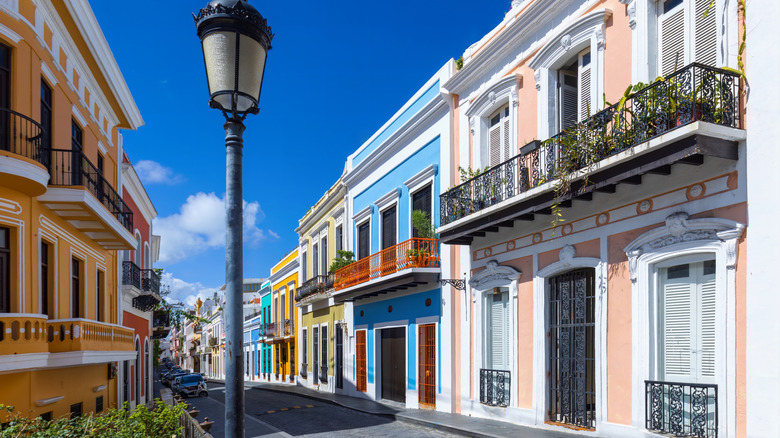
In what could be classed as something of a crowded market, Puerto Rico sets itself apart from the other Caribbean islands with a unique blend of history, culture, food, and outdoor exploration. Another obvious draw is passport-free travel enjoyed by American citizens (Puerto Rico remains a U.S. territory). Those U.S. ties, mixed with its Latin soul, give it a special atmosphere. But beyond the feeling, it's a remarkably balanced tourist experience. The streets of Old San Juan and its centuries-old castillos scratch any history buff's itch while foodies can dive head-first into one of the best culinary scenes in the Caribbean. Outdoor enthusiasts are also spoiled for choice, with countless jungle treks, perfect beaches, and unforgettable nature, including the ethereal glow of its bioluminescent bays.
Depending on the time of year you visit, you'll unlock a range of other experiences, too. Swing through in July and August, and you can catch the World Salsa Congress; February visitors can be dazzled by the island's Carnival Ponceño celebrations; and in November, you'll come across the National Indigenous Festival in the interior mountain town of Jayuya. Of course, the world-class resorts are all there in abundance, too. But relegating this culturally rich island to no more than a beach getaway feels a little diminutive.
Methodology
Each destination on the list has been featured in multiple major travel publications (National Geographic, Conde Nast, Travel and Leisure, etc.). In cases where a single country has been used, we've leaned into the regions mentioned. Türkiye, for example, had its Black Sea Coast, as well as Istanbul, while Spain's Basque Country had multiple specific references.