
America's 10 Deepest Inland Lakes Worth Visiting
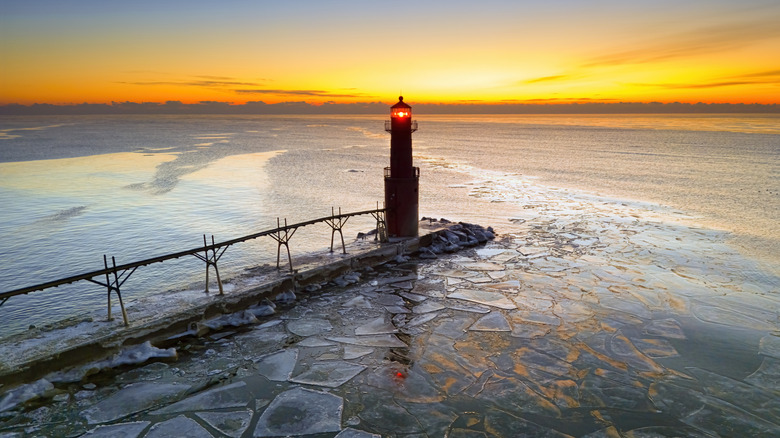
There are close to half a million lakes scattered across the lower 48 states of America, and to say that it's an eclectic mix would be something of an understatement. There is the crystal clear beauty of Pennsylvania's deepest offering, Raystown Lake; the warm productivity of Lake Erie, and the scenic beauty of Lake Murray, to dive into. Lake Murray, the man-made and self-styled crown jewel of South Carolina, offers camping and picnicking options without end, while Montana's Flathead Lake is a bucket-list worthy place to try your hand at a little wild swimming. There are U-shaped bodies of water created by the motion of mighty glaciers, lakes that rest atop ancient calderas, lakes famed for their prodigious salinity, and places with water so clear that the temptation to dive in borders on the obsessively must-do. Oh, and then there are those places that distinguish themselves by virtue of their depth. The U.S. is, after all, home to some of the deepest lakes in the world.
With so many to choose from, finding the right one to visit can be something of an exercise. The Great Lakes at once spring to mind, and to be sure, they are well-represented in the following list. There are, however, more than a few lakes of considerable depth that somehow seem to fly below the radar. Such places offer something more than simply a chance to kick back and enjoy the quiet peace of a lakeside retreat. Some are specialist locations, beloved by divers, hikers, or leaf peepers. Others rise above the fray simply by virtue of their own significance. For the most part, the lakes listed below have either been visited or else come highly recommended via a variety of local bloggers, official directories, or else are in possession of a reputation that speaks for itself.
Crater Lake, Oregon
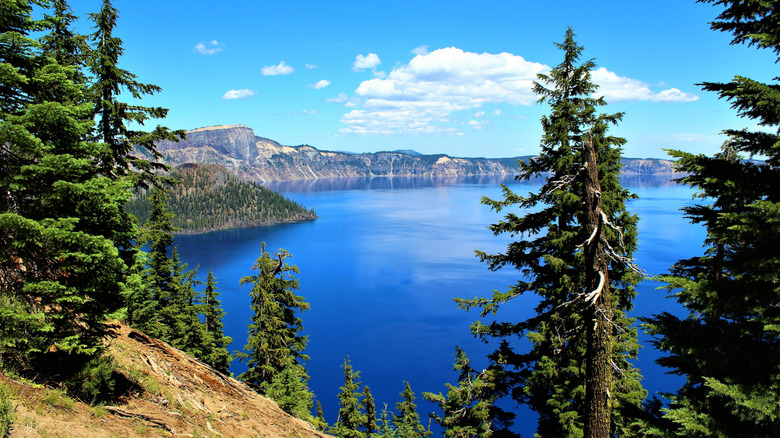
Naming conventions range from the stating of the obvious — looking at you, Flowerpot Island – to the deliberately obtuse. The Pacific Ocean is, famously, anything but peaceful, while Satan's Kingdom in Massachusetts is actually quite a jolly place. Crater Lake manages to bridge both worlds: yes, it is indeed a lake, but no, it's not really a crater. It's a caldera.
More specifically, it is a flooded caldera formed by the collapse of Mount Mazama some 7,700 years ago. At its lowest point, it reaches a depth of 1,934 feet, making it the deepest lake in the United States, the second deepest in North America, and ninth in the world. Its waters are incredibly pure, and that simple fact, combined with its impressive tally of fathoms, has blessed it with its most distinctive features. Crater Lake is almost cartoonishly blue.
To simply stand at its shores and admire the azure waters is reason enough to visit, but the area is blessed with many other attractions. Situated in a national park of the same name, you'll find close to 100 miles of forest trails to explore, including a 33-mile-long circumnavigation of the lake replete with dozens of Instagram-worthy lookout points, picnic spots, and waterfalls. Leafpeepers are, of course, well-served during the Fall season, and anglers can try their luck in the lake without a fishing license. There are also trolley and boat tours to enjoy, and year-round camping experiences to sign up for, although the latter requires you to obtain an in-person permit. Added to all that is the chance to spot any one of 250 species of birds that call the park home: yellow-rumped warblers, belted kingfishers, and the American three-toed woodpecker – another triumph of nomenclature — are just some of the delights on display.
Lake Tahoe, California/Nevada
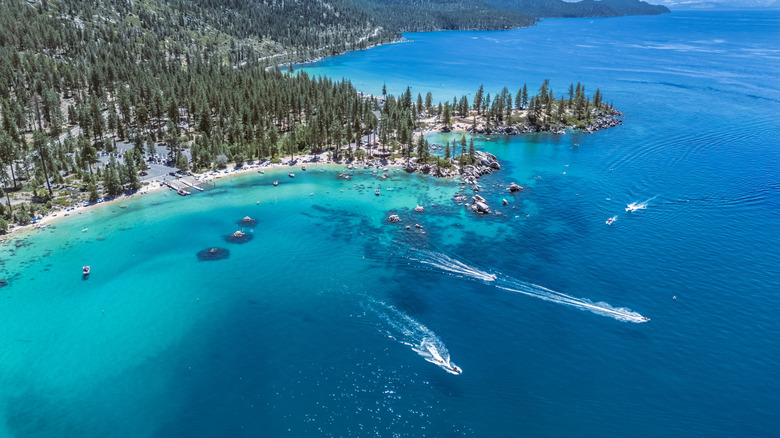
Lake Tahoe clocks in at an impressive depth of about 1,640 feet, making it the second deepest body of water in the United States. It's also one of the most beautiful, a simple fact that feels subjective until you visit the place. It is a quiet and tranquil place flanked by acres of untouched pine forests, and nestled between the convergence point of two stunning mountain ranges, the Sierra Nevada to its west and the Carson Range to its east. The lake itself is about 22 miles long and around half that wide, and the surrounding air is incredibly pure, thanks in part to its relatively high altitude. Even further above, you'll find a breathtaking wilderness of granite peaks that, unsurprisingly, serve as a haven for winter sports enthusiasts.
First up, then, the ski resorts. You'll find them in great concentration scattered across the whole region. Most offer the option to rent equipment on-site, so you can travel light on your way to the area, but you'll also find no small number of bike trails through the forests, so adventure holidays are far from restricted to the winter months.
The lake is also a fantastic place to discover some of the cultural heritage of the nation writ large. The Washoe people made their home here, and Mark Twain waxed lyrical about its beauty: retracing his footsteps is as good a way to spend a summer's day by a lake as you could hope for. Throw in some fantastic local nightlife on the lake's south shore, a thriving casino scene, and a wealth of spas, fishing opportunities, and sandy beaches to explore, and Lake Tahoe's reputation as a premier location for year-round vacationing comes into sharp focus.
Lake Chelan, Washington
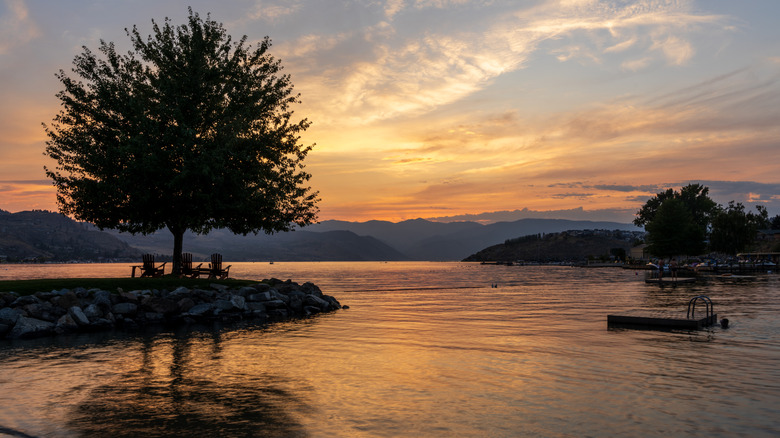
The Evergreen State well deserves its reputation as an area of outstanding natural beauty. It is a place of verdant forests and gorgeous beaches, faultless coastlines and volcanic landscapes. Here, there are no fewer than three national parks, a half dozen sites of historical interest, and, resting hard against the fringe of Okanogan-Wenatchee National Forest, you will find Lake Chelan, the third deepest lake in the United States of America, and a blue paradise surrounded by four seasons of wine and natural beauty.
The lake is actually a freshwater fjord, around 55 miles long and close to 1,500 feet in depth. Carved from the surrounding rock not by a glacier but by the Continental Canadian Ice Sheet itself, it is only 13 miles across at its widest point, the result of two separate arms of ice converging in one place some 10,000 years ago. Truly, it has seen its fair share of history pass by, and even today, it is a nexus for those seeking adventure that veers a little towards the wild side of things.
Visitors can experience all the usual delights of the great American outdoors. Boating activities are, of course, one of the principal draws, but the lake also serves as a focal point for hiking adventures, fishing expeditions, and some of the best mountain biking around. It also offers year-round camping opportunities, although those who prefer to kick back in style are well served via cabin rentals, budget-friendly hotels, and a wealth of all-inclusive resorts. Situated well within the state's wine region, there are tasting opportunities aplenty, and a vibrant foodie scene helps round out the lake as something of an all-rounder when it comes to outdoor adventures. Best of all, seasonal activities keep things lively year-round; indeed, it's difficult to find a month where some kind of activity is taking place on or near the shores of the lake.
Lake Pend Oreille, Idaho
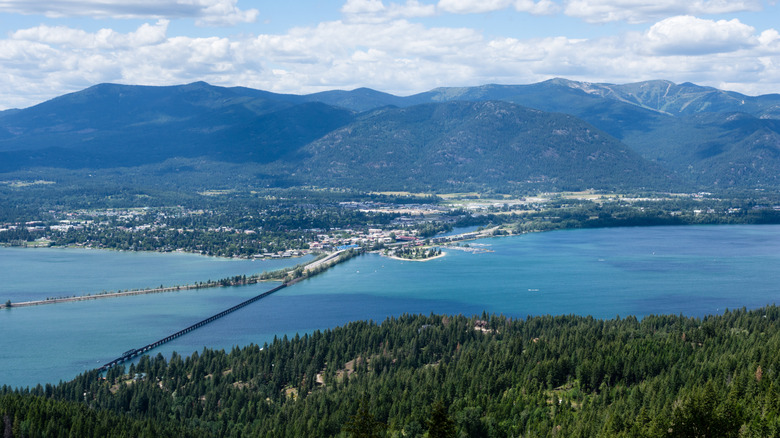
Tucked away in the northern spire of Idaho, close to the Kootenai National Forest, sits the unassuming and decidedly ear-shaped Lake Pend Oreille. At its deepest point, the water stretches all the way down past the 1,150 feet mark, and the lake was named after a French term for dangling ear ornaments. Once part of the ancestral lands of the Kalispel tribe, their reservation, to the west of the lake, keeps their cultural heritage alive.
Visitors to the area are treated to mountain views, pristine water, and, perhaps unsurprisingly, sightings of some of North America's most beloved wildlife. Indeed, the whole region is literally alive with things to see and do. The usual suspects are on full display here. Hunting and fishing expeditions take place throughout the year, competing for space with paddleboarding, waterfall viewings, and the occasional skiing trips. There are bike trails to discover, hiking paths to suit all levels of ability, and scenic drives that can stand toe-to-toe with the very best the world has to offer. Close by, you'll find a glut of breweries and wineries to work your way through, alongside the chance to spend some time in Ponderay, a city near the mountains that lovingly offers a mixture of perfect outdoor adventures and fun shops to peruse.
During the winter months, skiing opportunities arise, many of them centered around the city of Sandpoint. This charming town also provides off-season visitors with excellent dining options, a busy festival calendar, and more than its share of premium entertainment features on tap. Accommodation around the lake is plentiful year-round; there are resorts to choose from, alongside rentable cabins, and dozens of camping grounds dotted around the lake, each one offering breathtaking views and that return-to-nature feeling.
Lake Clark, Alaska
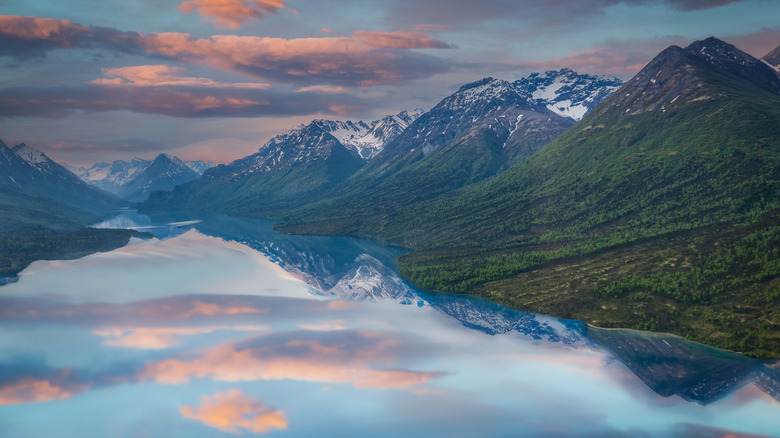
Some 4,094 square miles of unspoiled beauty spread across America's windiest state make up the Lake Clark National Park and Preserve, an area filled with jagged peaks, volcanic springs, and glacial lakes as reflective as mirrors. Here, the Aleutian mountain range rubs shoulders with its Alaskan brethren, and sprawled beneath them sits Lake Clarke, the sixth deepest lake in the United States. Over three million sockeye salmon make their way to the lake each year to spawn, and although, for them at least, it is a one-way trip, it remains a reminder that the beauty of nature is interconnected in ways that are difficult to quantify. The salmon's instinctual sacrifice helps keep the lake alive with oh-so precious nutrients.
Although the park is open year-round, it is busiest during the summer months. Coastal areas experience bearable temperatures, but the park's interior gets so cold that specialist gear and training are essential components of any winter expedition. Still, on either side of such extremes, there is plenty to see and do.
It is, of course, bear country, and the usual safety protocols need to be adhered to. Viewing them from a distance is a delight, and there are so many camping opportunities scattered around the lake that you need never stay in the same location twice. Meanwhile, boating across the lake is a great way to experience the beauty of the natural world in its most primordial sense; the fishing here is also excellent, although you will need to obtain a state fishing license and abide by all relevant regulations before casting any lines. Public use cabins are available for a reasonable price, but you'll also find a scattering of bed and breakfasts alongside the occasional lodges that host groups of all sizes.
Tustumena Lake, Alaska
Alaska's beauty is world-renowned, and it also just so happens to be the state with more lakes than any other — around three million of them at best guess. So, it's hardly surprising that it works its way onto a second entry here. Tustumena Lake is located about 20 miles southeast of Kenai, a city named after the peninsula upon which it is found. The lake also falls within the boundaries of the two-million-acre Kenai National Wildlife Refuge, and, so as you'd expect, it is something of a Mecca for lovers of wildlife.
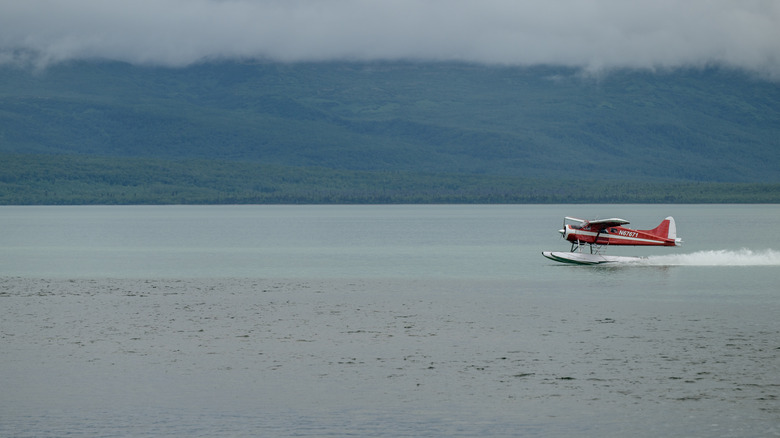
A visit to the eighth deepest lake in the U.S. brings with it all the activities you might expect, but a far from insignificant caveat is in situ: it isn't connected to any road system. The Tustumena Lake Road sounds like a promising lead into the lake proper, but it never actually reaches the shores, and at some point, determined travelers have to find alternative ways of reaching the lake. Options are limited to snowmobile rentals, a boat trip from the Kasilof River Landing, or a chartered flight in a seaplane; the latter can take you to the banks of Caribou Island, where a rough-and-ready cabin awaits. At a pinch, cross-country skiing is a possibility, but this is Outdoor Boys level stuff; you really need to know what you are doing. Those who do are in for a genuine treat. This is nature at its most unfiltered.
Still, the road down the peninsula is a great place to spot the native fauna. Spruce grouse frolic in the brush, moose wander around in numbers, and yes, of course, there are bears, bald eagles, and muskrats aplenty. There are also rentable cabins and bed and breakfasts along the way, offering plenty of opportunities to hire an experienced guide.
Wazee Lake, Wisconsin
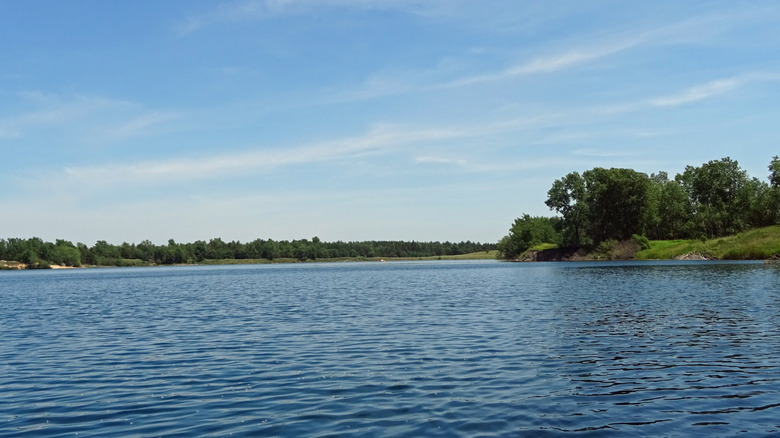
Nestled in the heart of Wisconsin, less than six miles from the scenic views and friendly vibes of Black River Falls, sits Wazee Lake. At only 355 feet, this lake is not as deep as some on this list, but it's the deepest the state has to offer, and people travel from miles around to swim and scuba in its crystal-clear waters. And such activities represent only a part of what this 146-acre oasis has to offer.
Anglers are treated to some truly excellent fishing. Over the spring and summer, catch- and-release bass fishing is a popular sport, but there are also panfish to discover, white perch, and trout lurking in the lake's depths. Bag limits and restrictions apply; some are seasonal, others relate to protected species; fishing for sturgeons is, for example, forbidden. Over the winter, the snowshoes come out, and ice fishing is very much a thing.
Dive fees are only $5 per diver, per day, or $40 for the year, and during the summer, visibility ranges from 30 to 40 feet, making for an unbelievably crisp dive, albeit a somewhat cool one, especially at lower depths. You'll need an advanced diving license before you are allowed to drop below the 60-foot mark. Anyone wishing to reach depths more than 100 feet, to a maximum depth of 130 feet, requires deep dive training. The use of diving flags is non-negotiable at Wazee. You'll also find plenty of tenting opportunities around the lake, although those opting for a shoulder season excursion really need to know the rules of winter camping; temperatures routinely drop well below freezing in Wisconsin. Still, there are plenty of places to stay, and dotted around the area, you'll find restaurants, pubs, and even a lively casino to help keep the chill at bay.
Lake Superior and Lake Ontario, various states
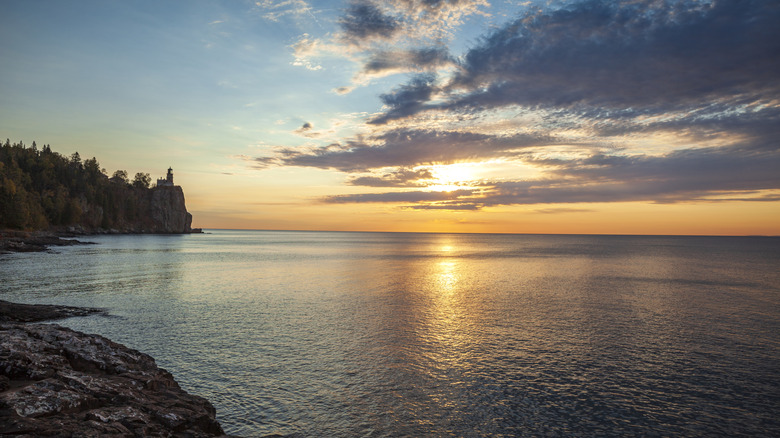
There is an age-old argument much-favored by pedants discussing the Great Lakes that goes something like this: They are not lakes; they are inland seas. They certainly have many of the characteristics of a sea: they exhibit great depth, they are blessed with waves and breakers, and they endure wind patterns that are consistent with those of a sea. Oh, and, like most seas, they are absolutely enormous. Unlike seas, though, the Great Lakes are freshwater bodies, not saltwater.
Regardless of where you land on this debate, the Great Lakes are lakes, and the clue to that truth lies somewhere towards the lower portion of their name. Besides, there's so much to see and do in and around them that leaving them off a list like this would have been close to a criminal event. Of course, trying to cover all that the lakes have to offer would be a difficult task indeed, but thankfully, two of them stand out both in terms of their depth and the sheer variety of things they offer to the itinerantly minded.
Lake Superior is, of course, the larger of the two and reaches a depth of 1,332 feet. It holds 10% of the entire world's fresh water and is also home to no fewer than five national parks and monuments. Such is its size that it also straddles three states, Michigan, Wisconsin, and Minnesota; if you can think of anything you'd like to do within them, chances are such activities will only be enhanced by the shores of the lake. Meanwhile, Lake Ontario lies between New York and Ontario, Canada, and clocks in at 802 feet deep. It is the smallest of the Great Lakes, but it's filled with scenic hot spots such as the Thousand Islands region, the upriver Niagara Falls, and the historic harbor of Oswego.
Methodology
Compiling a ranking of the deepest lakes in America would, of course, be a relatively straightforward thing to do, but the decision to include places with actual things to do complicates matters. To begin with, yes, these are indeed some of the deepest lakes around. The list, as compiled, however, is an attempt to create an eclectic itinerary based on things other than simple depth.
In some cases — looking at you, Tustumena Lake — places were chosen because of the uniquely isolated experience they offer. In others, such as was the case with Wazee Lake, it was more about specialty activities such as ice fishing or diving. The Great Lakes were represented rather than listed in their entirety; better known than some of the other places included, covering them all would have felt a tad overkill — we did, after all, only leave ourselves room for ten entries. As a more general rule, all the lakes here were either visited in person at some point or, in the case of the majority of them, meticulously researched, drawing from local knowledge, government sites, and other high- quality sources.