
10 Up-And-Coming Cities Across America That Are Expected To Thrive In 2026
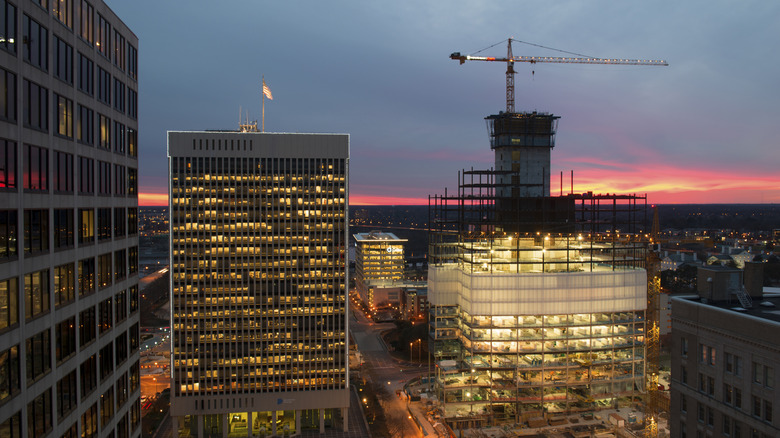
All big cities had to start somewhere: tree-dotted hills beside the Hudson River, or swampland in Chicago, where the John Hancock Tower now stands. In 1800, not long after the Revolutionary War, New York City was home to just over 60,500 people; today, more than 8 million call the Big Apple home, stacked on top of one another in 80-story condos. It's a similar story in San Francisco, now one of the world's largest technology capitals. Before the Gold Rush in the late 1840s, just a few hundred people lived in the Golden Gate City. In other words, America's largest and most famous metropolises would have been considered up-and-coming at one point in time.
The country's population has been on a steep incline for the last 500 years, and today it's home to more than 340 million people. Despite a trend away from more densely populated areas during the height of the COVID-19 pandemic, cities are again on the rise. Some urban areas, of course, are growing faster than others due to factors like job access, cultural amenities, and outdoor features. Although they might not yet rival the size of major metropolises like New York or San Francisco, they're still worth keeping an eye on in the coming years. We're defining these places as up-and-coming growing urban centers in the midst of evolution; that means new construction and updated infrastructure, booming housing markets, surging populations, and even growing food scenes. In no particular order, here are 10 up-and-coming cities that are expected to thrive in 2026 (and beyond).
Princeton, Texas
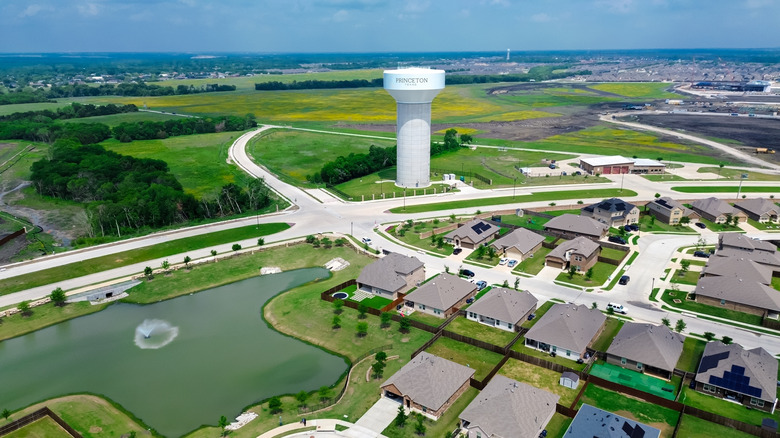
According to Census Bureau data, Princeton, Texas — not to be confused with the college town in New Jersey — is America's fastest-growing city. Between 2023 and 2024 (representing the most recent numbers), Princeton's population expanded by more than 30%. Close to 40,000 people now call the city home, and that number is only expected to rise in 2026, reaching nearly 100,000 people within the next five years.
According to local real estate agent Harrison Polsky, per Realtor.com, Princeton is popular among a diverse range of buyers. You'll find everyone "from young families priced out of Dallas' urban core to professionals seeking a lower cost of living without sacrificing access to job markets," he told the site, adding, "We're also seeing buyers coming in from California, Illinois, and parts of the East Coast—markets where affordability and taxes have become pain points." One of the perks of living in Texas is that there's no state income tax, and in Princeton, you'll also be less than 50 miles from major employment hubs like Dallas.
New to the area? Expect to see plenty of construction. According to Business View Magazine, the city has invested millions of dollars in developing community spaces, access to education, and more. A new shopping center is in development along Princeton Drive, which will bring more than 60 retailers to the city. However, you can still see what the old Princeton might have looked like at the Reeves Family Farm, not too far from the center of town.
Myrtle Beach, South Carolina
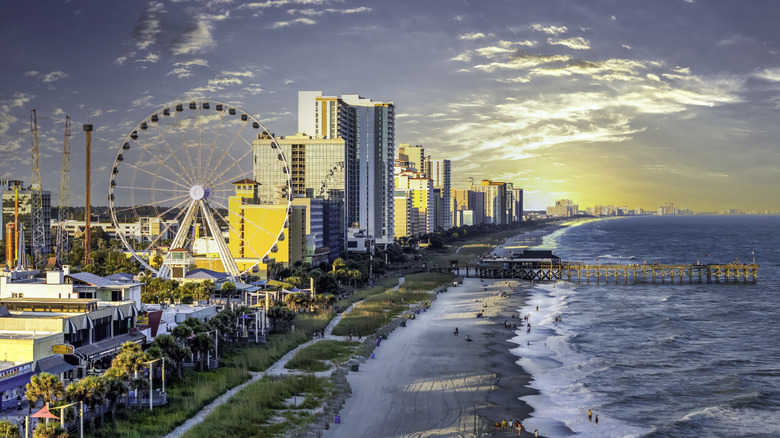
For the last few years, South Carolina has attracted more transplants than any other state, per CNBC. Of all the cities in South Carolina, Myrtle Beach is the most popular. Its growth rate stands at 3.8%, according to The Sun News, a statistic largely attributed to adults 65 and older; the city has become the go-to destination for retirees seeking warmer weather. "The climate's great, taxes are low, there's a wealth of opportunities for recreation, dining, and shopping," local public information officer and mayoral candidate Mark Kruea told U.S. News & World Report.
Once known as "Dirty Myrtle" due to its regular biker rallies along the boardwalk and abundance of college spring breakers keeping the party scene alive, a lot of work has gone into rebranding the city's image. It's now considered America's favorite getaway; pickleball courts line the coast, a favorite among older residents, and the Downtown Alliance has plans to incorporate public art installations and a rail trail for cyclists. Given the 60 miles of shoreline surrounding Myrtle Beach, waterfront activities are a big part of life. There's fishing, kayaking, and horseback rides on Waites Island. But there are also plenty of indoor attractions. The Franklin G. Burroughs-Simeon B. Chapin Art Museum, for instance, hosts annual fundraisers, lecture series, and pottery workshops. In the words of one resident, via Reddit, "The weather is great ... With the addition of the new roads, traffic is nothing like it used to be. I think you will love living here-I know I do."
Cary, North Carolina
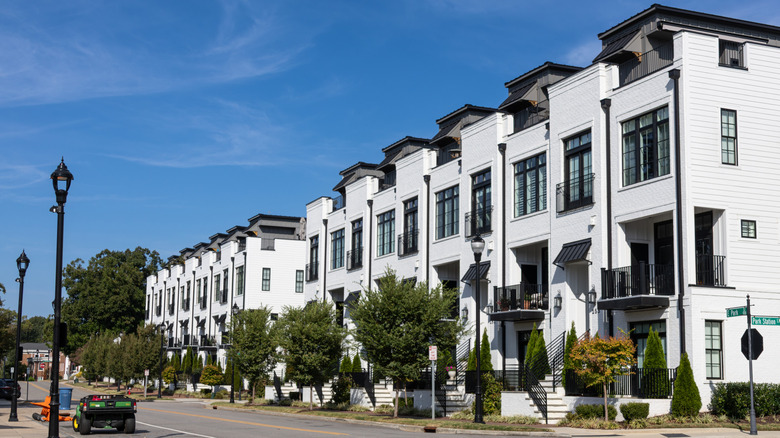
After South Carolina, North Carolina has the largest move-in-to-move-out ratio, and Cary is one of the most popular emerging cities in the state. It's grown from about 95,000 to 186,000 people since 2000, and it also ranks high among America's best cities for remote work. You'll find high-speed internet, lots of comfy cafes, and a comparatively affordable cost of living. The job market here is thriving thanks to major corporations like SAS Institute Inc., Epic Games, and American Airlines. Cary's position in the so-called Research Triangle means low unemployment rates and competitive salaries, so there are always people moving to town for work.
Also key to Cary's appeal is its proximity to larger cities like Raleigh, just 12 miles away via Interstate 40, and Durham, 25 miles away. With this, you'll also be close to a major international airport and stops along Amtrak's Floridian line. But there's no shortage of things to do closer to home, from concerts at Koka Booth Amphitheatre to farmers markets. Downtown Cary Park is a relatively new addition to the city. Completed in 2023, the 7-acre outdoor community space is home to a playground, dog park, tiered water features, and even a bar.
Madison, Wisconsin
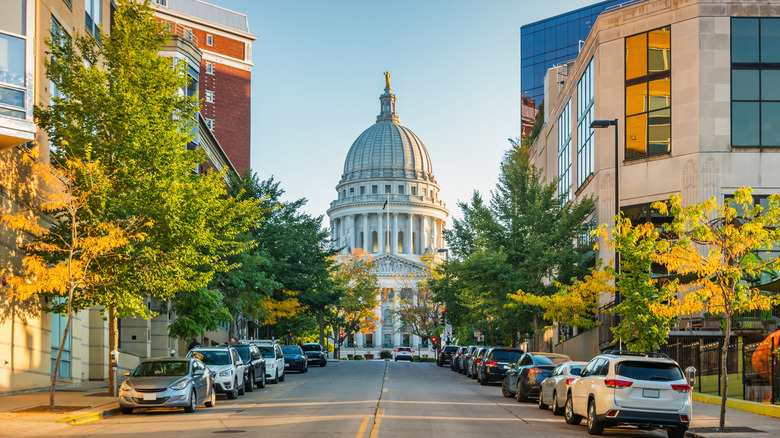
Anchored by the University of Wisconsin–Madison, a historic and nationally ranked university, Madison is surging in popularity. It's grown exponentially over the last few years, and the trend is expected to continue through 2026 and beyond. According to city estimates, Madison's population will total around 385,000 people by 2050, a more than 100,000-person increase — today, about 276,000 people call Mad City home. Due to the rapid population influx, the city's housing market is also one of the hottest in the country, according to the Milwaukee Journal Sentinel, and homes have gone up significantly in price. So make sure to invest quickly if you're looking to buy.
Speaking to why the city is thriving, Jessie Pung, a resident and employee at UW-Madison, told Livability, "You have all these great things to do outdoors that are close to home, plus you have nightlife and shopping and can go restaurant hopping." In other words, it's versatile. There are 75 miles of bike trails throughout the city, and it's relatively common to spot residents commuting to work on two wheels. You'll find James Beard Award-winning restaurants downtown, and plenty of museums to explore. In the winter, Madison takes advantage of its snowy weather with festivals like Fun Prairie Frozen Fest or the Winter Carnival.
What's more, Madison is constantly improving. Millions have been allocated toward upgrading infrastructure in 2026, from sidewalk repairs to flood reduction programs, and there are also plans to increase the availability of affordable housing. Mixed-use developments are in the works, too, blending living, commercial, and community spaces.
Lancaster, Pennsylvania
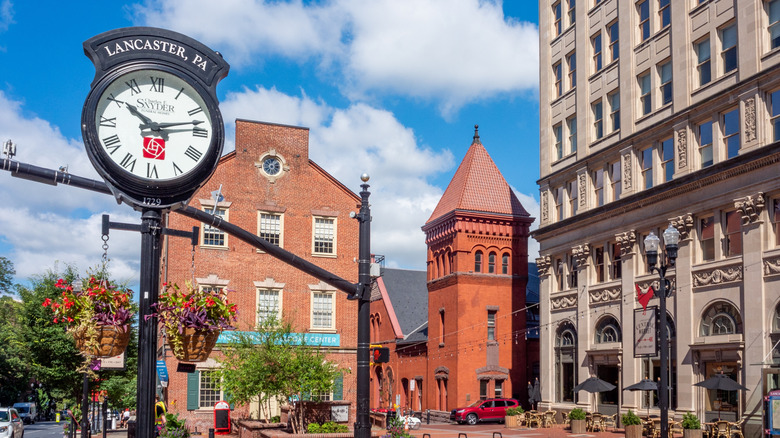
Pronounced "Lang-kis-ter" by locals, this Pennsylvania community is often associated with its Amish markets and towering grain silos, still some of the tallest structures around. But there's a lot more going on here than meets the eye. The area is an East Coast tech capital, and companies like Lancaster Laboratories have brought hundreds of jobs to the region. There are also two major data centers in the works. Before you move, it's important to keep in mind that some locals have expressed concerns about impacts on the environment and water supply, according to Stateline. Still, they are expected to result in exponential economic growth. One facility will be located off Greenfield Road, the other off Harrisburg Pike.
Despite all this change, the city still boasts a peaceful charm, with eclectic shops and restaurants lining historic downtown streets. Central Market, located in the heart of town, has been selling fresh produce for more than 300 years, making it America's oldest farmers market building. You'll be able to shop for everything from pastries and ice cream to bouquets of fresh flowers. Nearby, there's the historic Fulton Theatre. It was once a Revolutionary War jail, but now it hosts touring Broadway productions. All in all, Lancaster is considered one of the best small cities in the country, beloved for its many amenities and overall quality of life.
Vancouver, Washington
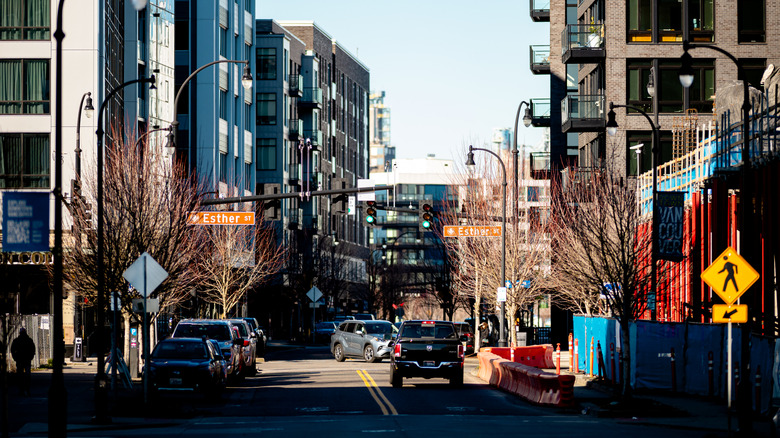
Not to be confused with the Canadian city to the north, Vancouver, Washington, is actually the original Vancouver, founded about 60 years prior in the early 19th century. Today, it's home to approximately 200,000 people — and growing. It was listed among the most popular places to move to in 2025, per MoveBuddha, and that trend is expected to continue in 2026. "It could very well be that very soon — because of a number of different annexation opportunities and such — we could be the second-largest city in the state of Washington," Mayor Anne McEnerny-Ogle said on an episode of "Straight Talk," per KGW. "We have room to grow," she added.
Downtown Vancouver is relatively walkable, and you'll be able to hop between wine bars, vintage clothing stores, and hip sit-down restaurants. The five-mile-long Renaissance Trail connects various attractions throughout the city to the Columbia River. In general, Vancouver is a mix of carefully preserved historic landmarks, like the Marshall House and Fort Vancouver, and new construction. Several mixed-use developments, specifically in the Waterfront District, are in the works and will include everything from affordable housing to new transit stations. "I moved here from Southern California for a more [down-to-earth lifestyle] (coming from Newport Beach), lower cost of living (making homeownership achievable), tolerance of a greater variety of lifestyles, and just to be surrounded by more green and nature," wrote one resident on Reddit, adding, "I can say I achieved all of that and haven't looked back."
Columbus, Ohio
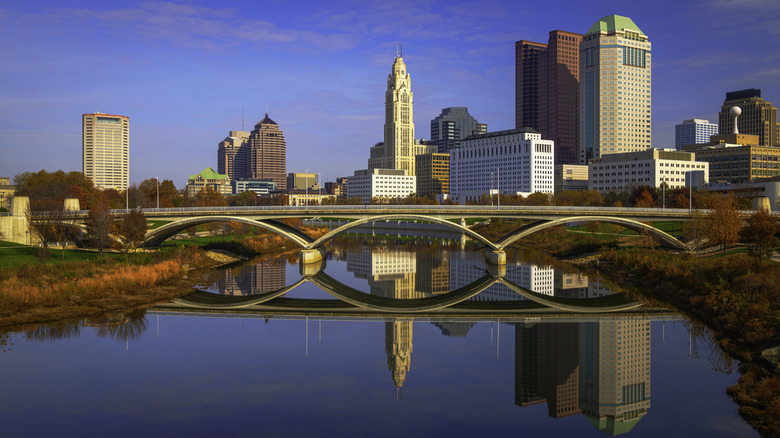
Sandwiched between Cincinnati and Cleveland, Columbus, Ohio, is an often-overlooked Midwest city and hot foodie destination. You'll find everything from North Market, which has been selling local eats to residents since 1814, to trendy new restaurants like Hokkaido Revolving Sushi Bar, where a conveyor belt brings fish directly to your table. But the restaurant scene isn't the only thing that's up-and-coming here — it's also one of the fastest-growing cities in the country, population-wise. "Columbus isn't just growing, it's proving that the American Dream is still alive and well in the heartland," Jason Hall, the president of the Columbus Partnership, told The Columbus Region. "People are choosing this metro because they see opportunity, and that's no accident."
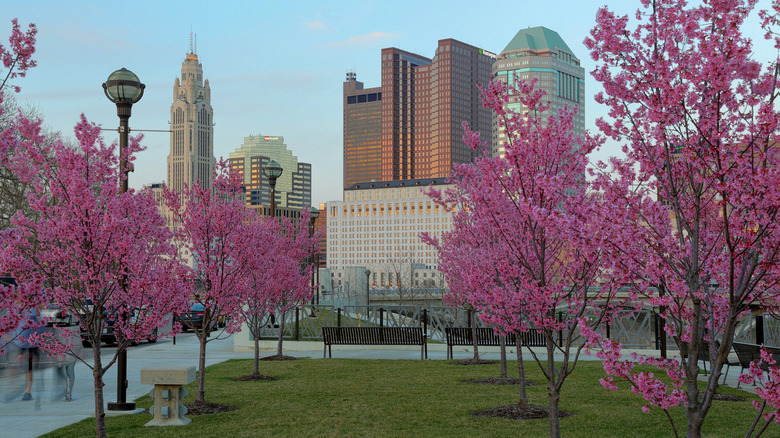
In November 2025, a public vote allocated close to $2 billion for overall city improvements, including — but not limited to — affordable housing, parks, and health infrastructure. Residents can expect to see changes throughout 2026 and beyond. There will be updates to the Franklin Park Conservatory and Botanical Gardens, additional bus rapid transit lines, and a brand-new cultural center, art studio, and coworking space called The Loom in the Discovery District. The project is intended to solidify Columbus's status as an emerging U.S. fashion capital. If you're planning to make your move to Columbus, you'll want to act fast: housing demand is at an unprecedented high.
Johnson City, Tennessee
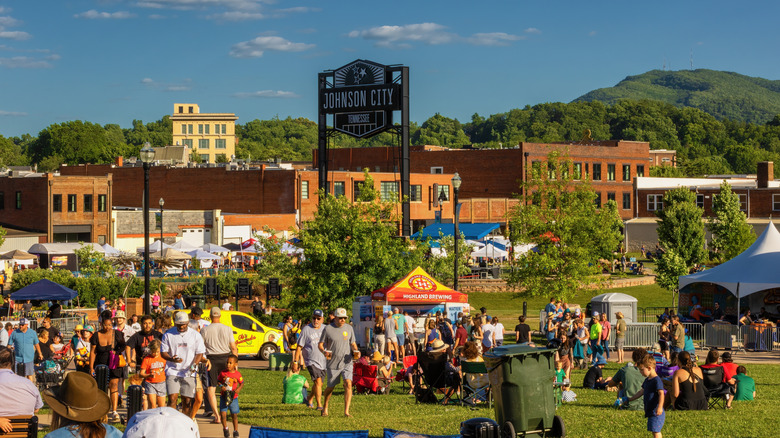
Johnson City has been ranked the No. 1 place in Tennessee for new residents, according to MoveBuddha, but the town's appeal extends well beyond the state. It's also America's most popular destination to move to, thanks to its outdoor charm and comparative affordability; Johnson City's cost of living is still below the national average. The population is projected to increase steadily in 2026 and will total close to 80,000 people by 2030. New construction is on the rise to accommodate a growing number of residents.
You'll find plenty of entertainment opportunities in the small city — everything from football games at William B. Greene Jr. Stadium to musical performances at ETSU Martin Center for the Arts — thanks to the presence of East Tennessee State University. As one local shared on Reddit, "Johnson City has the inherent benefit of a large state university that adds culture and intellectual diversity." Plus, according to real estate agent Stephanie Morr, per YouTube, it's considered one of the easiest places to commute in all of Tennessee, "so you're not gonna find yourself driving and being stuck in traffic for 30 to 40 minutes to get anywhere."
Locals can look forward to an array of annual events downtown, and — in true Tennessee fashion — several revolve around live music. During the summer, there's a free concert series called "Fridays After 5," and the Blue Plum Festival welcomes in the season in early June. Buffalo Mountain's forested peak keeps watch over it all, promising hikes and picnicking not too far away.
Richmond, Virginia
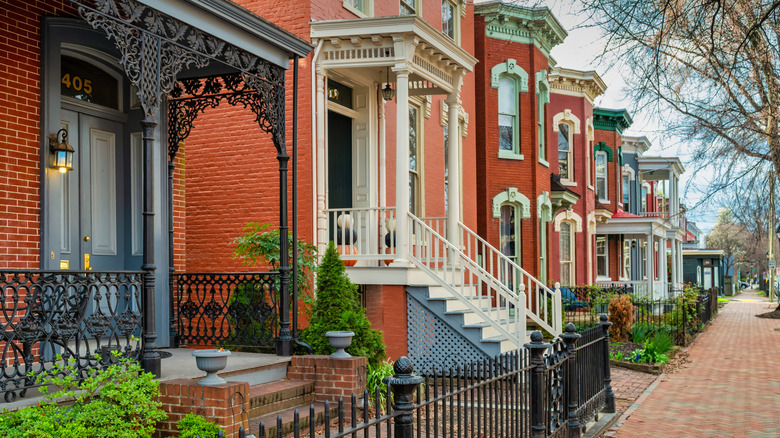
Richmond, or RVA as it's often referred to by locals, has changed dramatically over the last decade. Although property taxes are still well below the national median, the city has added thousands of new jobs within the last few years. In 2024, Richmond was listed among the top 10 U.S. cities for corporate headquarters, according to Site Selection. Major corporations such as CoStar Group, Altria, and Dominion Energy all call RVA home, and the population has grown more than 12% since 2010. In the words of Hamilton Lombard, a researcher at the University of Virginia, "Over the last year, there has been no letup in people moving in, predominantly out of Northern Virginia ... In four years, 55,000 more people have moved into the area than out," according to Richmond Magazine.
In the so-called beer capital of Virginia, you'll find a growing restaurant scene, a Minor League Baseball team — The Flying Squirrels — with a brand-new stadium in the works, and one of the top-ranked art museums in the country. The Richmond International Airport also regularly adds new flight paths to accommodate the metro area's growing population. In the words of locals, writing on Reddit, "There are definitely pros to living in RVA, especially when you factor in [cost of living]." Other benefits include proximity to the James River, where local adventurers like to go whitewater rafting and cute, historic neighborhoods to walk through in the Fan and Museum District.
Tulsa, Oklahoma
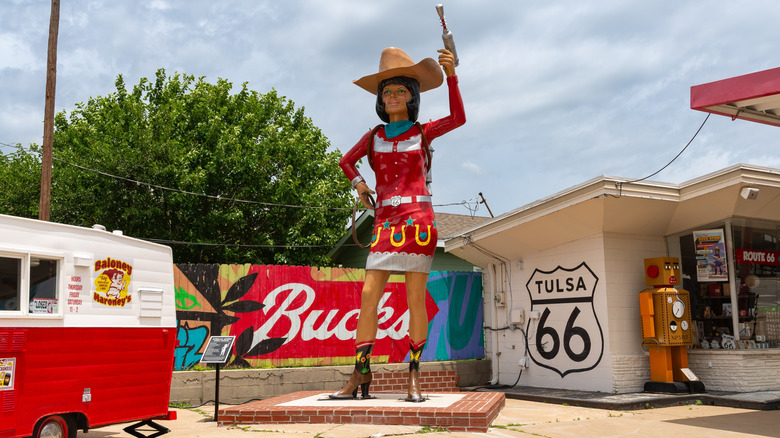
Given the moving incentive offered by Tulsa Remote, which promises up to $10,000 to digital nomads looking for a place to settle down, it's no surprise that this Oklahoma city is up-and-coming. It's predicted to be one of the top cities of 2026, per Newsweek, and job growth here has even outpaced Oklahoma City, the state's capital. "Tulsa is just a nice place to live, work, do business, raise a family, and live your life," RegionTrack president Mark Snead told The Journal Record, adding, "Things have changed so dramatically [in Oklahoma]." Snead predicts continued changes throughout 2026.
In Tulsa, you'll find plenty of amenities, like Cherry Street, Oklahoma's go-to trendy shopping district lined with bookstores, burger joints, and gallery spaces, according to Visit Tulsa. Or visit the Outsiders House Museum, where the famous Francis Ford Coppola movie was filmed in the early 1980s. There are also several "Vision Tulsa" economic development projects in the works, like beautification along historic Route 66, airport renovations, an expansion at the Gilcrease Museum, and more. In other words, Tulsa has recognized its "up-and-coming" reputation and plans to solidify it with infrastructure improvements.
Methodology
To craft the most accurate list possible, we considered everything from official Census Bureau data — which indicated trends in population growth — to overall livability scores. We also looked for upward trends in local job markets. Cities on our list, like Richmond, Virginia, for example, showed impressive job growth over the past decade, adding multiple corporate headquarters to their downtown area. As job access expands, demand for real estate increases. That's why we also researched the hottest housing markets in the country, adding top-ranked cities like Madison, Wisconsin, to our list.
In up-and-coming cities, it's common to see multipurpose developments and large-scale community spaces underway. That's why we tracked down news stories related to construction projects, many of which are funded by taxpayer dollars. In Columbus, Ohio, for instance, several billion dollars have been allocated to infrastructure improvements and affordable housing complexes. Cultural amenities were also important for us to consider. We read about everything from centuries-old public markets to whitewater rafting, on a mission to paint a more comprehensive picture of each city. Reddit posts and even Nextdoor pages helped us factor in local voices.
If you didn't see a city you were expecting to, make sure you check out our list of the most desirable cities for recent graduates. Or check out our best places to live for 2025.