
10 Of The Best Destinations For Off-Season Travel
Picture this: You've just lined up for hours to see the Mona Lisa, but you can only get a glimpse of her through a sea of selfie sticks. You marveled at the beauty of that Phuket beach in the brochure, yet you needed to jostle with everyone else to grab yourself a sliver of sand. You've been wanting to see the Taj Mahal since you were a kid, but with hundreds of people in the frame, you're never going to get a good shot. This is peak-season travel, and these are just a few of the obstacles it presents. Traveling in the high season doesn't only mean crowds, though. High hotel and flight prices can frustrate, while those summer temperatures may prove too much for some.
The same destinations can be experienced at different times of the year. If shoulder- or low-season travel is an option for you, it can mean experiencing popular places without the chaos. Tourist sites become chances to meet locals instead of throngs of tour groups, making your visit feel more authentic. You'll have more space to appreciate the architecture and pause for unobstructed photos, and you'll be able to do it all in temperatures that agree with you.
Off-season in many places can even mean unique seasonal experiences like wine harvests in Europe, skiing in unexpected locations, and festivals with barely a tourist to be seen — other than you, of course. You may even be the beneficiary of better service, with happy staff who are willing to go the extra mile with insider tips that open up whole new avenues of travel. Here are some outstanding destinations that are well worth visiting during those quieter months.
Hawaii
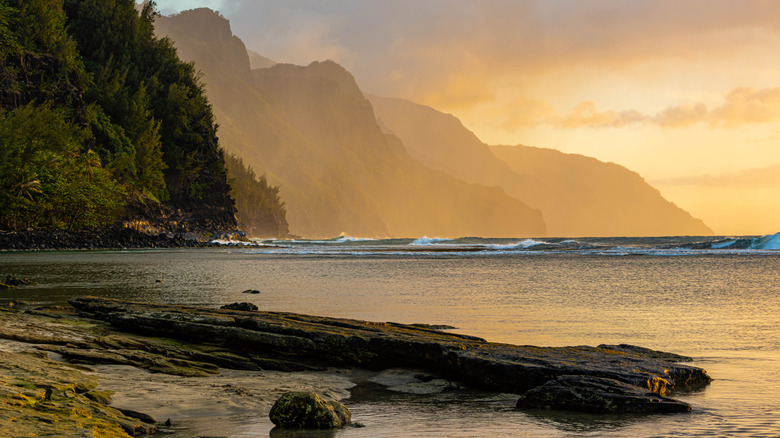
The high seasons in Hawaii are the hot, crowded June and July summer months and the winter holidays, the latter of which can be particularly chaotic. Alternatively, the low and shoulder seasons offer travelers respite. Because school is in session at this time, fall offers the best value and fewer crowds, with September consistently ranking as one of Hawaii's quietest months — and the weather is still excellent. Temperatures are suitable for long beach days and outdoor dining, although you may get the occasional shower, but nothing that will ruin your day. Outside the holiday season, winter is a good time to visit, too. Rainfall might still be an issue, but it won't prevent sun worshippers from getting some much-needed beach time. February, in particular, is one of the year's quietest months for tourism in Hawaii.
Surfers might like to know that ocean conditions are ideal during the winter months, too. Waves can get particularly big on northern shores across the archipelago, but conditions may be too extreme for beginners. Hawaii is also a top island destination for whale watching, with the season running from December into spring. Humpback whales make the long trip down from Alaska at this time to breed, adding another off-season exclusive activity for travelers. As Hawaii enters the spring months, those winter swells start to settle, and the rainfall begins to subside. This means swimming and snorkeling are back on the agenda, while the quiet, dry months also open up hiking on iconic trails like Diamond Head and the Nā Pali Coast. Hotel rates and flight prices are also cheaper during the off-season.
Mexico
If you're looking to avoid the crowds on a Mexican vacation, it's essential to steer clear of the winter and early spring months. School break times in the U.S. also bring numbers, so shoot for the May and June lull between spring and summer breaks, or the September through November fall season. Booking during these slower travel periods results in reduced costs, both on airfares and accommodation. May brings quieter beaches, while snorkeling and sightseeing tours offer good value before peak pricing starts in July. May is also the official start of the rainy season, which runs until November, but storms are generally brief and confined to afternoons between sunny periods. Temperatures can get hot during this time, so those downpours actually provide a bit of relief.
This is an excellent time for culture vultures to visit. They can take part in the Cinco de Mayo celebration in Puebla, for example, which is early enough in the rainy season to avoid serious downpours. But June brings the start of the hurricane season, although it generally impacts coastal areas more and doesn't really get into full swing until later in the year.
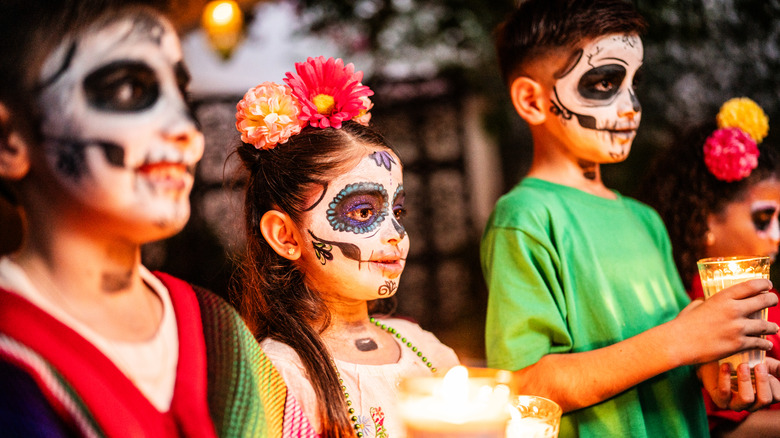
You may want to avoid the coast once you're into peak hurricane season in September. However, travel conditions are still favorable inland, with rainfall starting to diminish. Additionally, major destinations like Oaxaca and Mexico City are light on tourist numbers, despite it being the time for fireworks and festivities. Independence Day takes place on September 16, and city squares are buzzing with music, stalls, and street performances. By November, Day of the Dead celebrations fill streets across the country, especially in Oaxaca, where it rivals Mardi Gras in New Orleans.
Greece
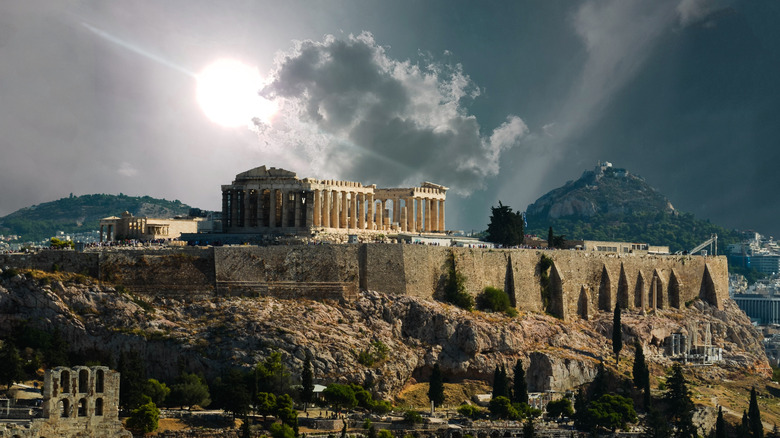
Greece can be chaotic during the high season from mid-June through August. Temperatures are high, beaches are full, attractions are crowded, and accommodation and flights cost significantly more. The country has two shoulder seasons: The first runs from April to June, while the second covers September and October. They bring reduced crowds, as you might expect, but the winter low season from November through March sees very few visitors.
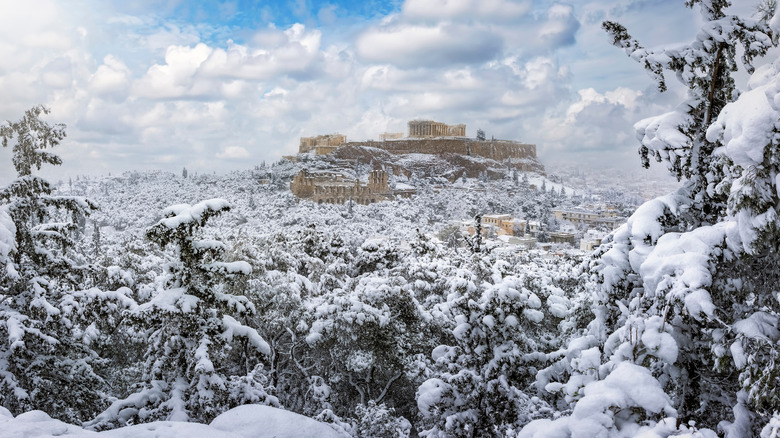
The temperatures are cooler during the winter months, with a bit of rain and even snow in mountainous regions. However, Athens and the south experience relatively mild winters, making this a fantastic time to visit the country's archaeological sites, like the Acropolis and the Temple of Zeus. You may even be lucky enough to get the occasional bit of snow in the capital; think of it as a unique opportunity to photograph those ancient monuments dusted in white. Athens also plays host to holiday season celebrations from December into January, while the Greek Independence Day military parade on March 25 offers flag-filled streets, marching soldiers, tanks, and fighter jet flyovers around Syntagma Square.
For shoulder-season beach lovers, the sun still shines, and water temperatures are consistently warm, especially in the fall months. The weather then is also ideal for outdoor activities like hiking, while visiting those historic sites in the most walkable tourist destination on Earth is a bit warmer than winter and still lacks those summer crowds. The cheapest flights are often available in either April or November. However, avoid flying during Greek Orthodox Easter in late April or early May and the December to early January holidays, when prices temporarily spike.
Japan
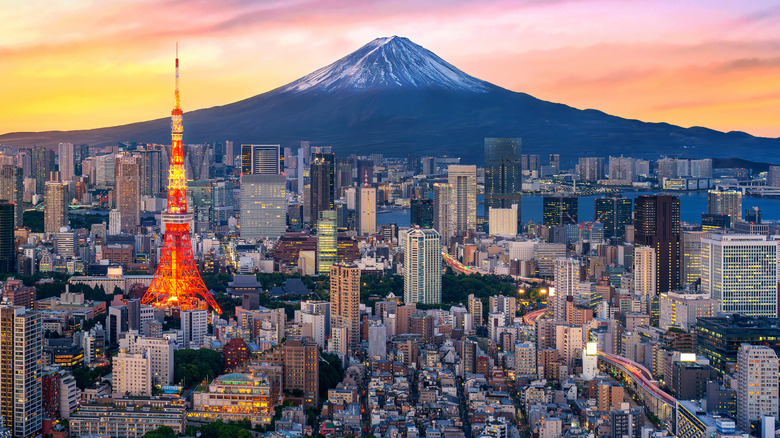
Many people flock to Japan for the cherry blossom blooms from April to May. This period is the country's busiest for tourism, especially during Golden Week, a period of holidays where domestic traveler numbers surge. If you're looking to beat the crowds, shoulder seasons run from late May to July and mid-September through December, while a low season occurs between January and early March.
The first shoulder season does bring a bit of rain, especially in June and July. It doesn't rain every day, but the skies are usually overcast. However, places like the hot spring resort of Hakone can be pleasant to visit, with hydrangeas flowering along paths amid hillsides thick with layers of summer green. It's close to Mount Fuji, and while getting a good view as you soak in the springs may be off the cards, the mountain is still open for climbing — hiking trails in Japan tend to be quiet during rainy months. Other good places to visit include Hokkaido, an affordable destination for tourists on a budget, which sees much less rainfall than other cities. There is also Okinawa, which clears up by the end of June, meaning you can schedule in some beach time.
The second shoulder season in fall, between September and December, remains warm enough for exploring in spring wear. At higher elevations, the trees start turning to reveal fiery fall colors, although by November, that blazing foliage does attract crowds of leaf peepers. In the winter low season, attractions are quiet, and accommodation is cheap, although that might not be the case if you're skiing. The season gets underway in December, with February considered the best overall month, when the mountain landscapes are at their most winter wonderland-ish.
Italy
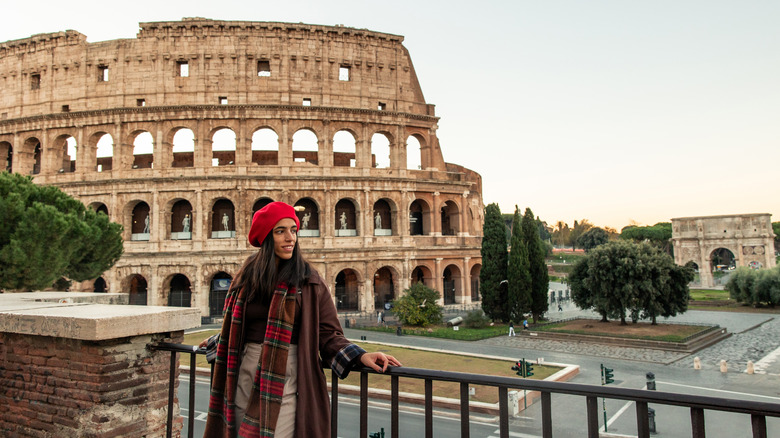
The May to July high season in Italy is the time to visit if you enjoy huge crowds and inflated prices. It's also the time to come if you enjoy a dash of sweltering heat while you slog around the attractions. If these pleasures are not a requirement, perhaps you might prefer the March and April or October and November shoulder seasons? These periods offer smaller crowds, while you can score big on tours and hotel bookings, on top of better-value flights. The mild temperatures of spring are particularly pleasing. You can comfortably visit the vineyards of Tuscany and Monferrato, while places like the Sibillini Mountains offer ideal hiking conditions.
The spring shoulder season is also a great time to explore Rome, the world's most walkable city in 2025. The Natale di Roma birthday celebrations take place in April, when historical reenactments and costumed parades are on display throughout the historic center, while May brings the Night of the Museums event. This annual UNESCO-backed celebration is when many of the city's museums, including the Vittoriano with its Monet exhibit, are open late, with free or heavily discounted entry.
After the heat of summer, the weather remains warm and stable for hiking in the Dolomites. By October, the grape harvest in Chianti is in full swing, and it's a chance for guests to hand-pick grapes. By late November, the temperatures drop, and the low season kicks in. The air is cool and crisp, but the tourist crowds have almost completely dispersed. This means you can enjoy iconic attractions like the Colosseum practically on your own, while you can also relax at a thermal spa retreat in Ischia or go skiing in the north.
Thailand
The wet season in Thailand brings ominous clouds, heavy downpours, loud thunder, and even the occasional flood — but it might actually be the best time to visit. For one, those intense rainstorms tend to be short and arrive at fairly predictable times. You might picture all-day downpours, but this isn't usually the case. They also tend to clear up some pollution while cooling the high summer temperatures. In the countryside, the scenery becomes lush and waterfalls surge. July to September is when the rainfall is at its heaviest, and this is the quietest time to visit. However, the shoulder season begins around April and runs through June, while October is another month when the rains are a bit lighter, just like the crowds.
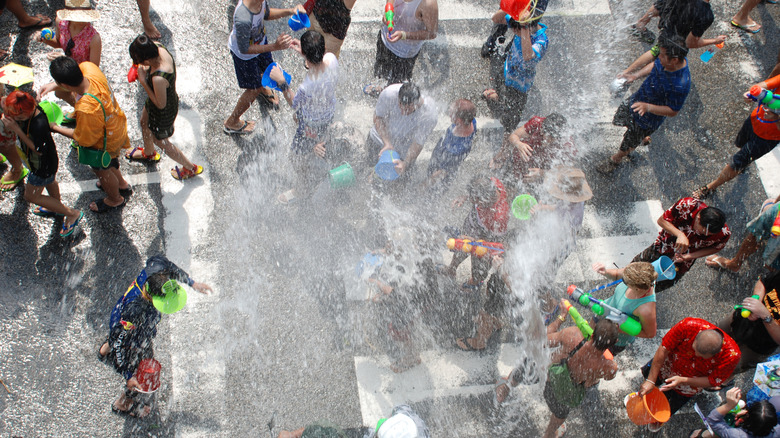
The high season kicks in around November. Prices soar, and places like Phuket become unbearably crowded, especially around December and January. If you really want to experience Thailand as you imagined it, arrive earlier in the year and put up with a bit of rain — or you can just embrace being wet during Songkran in mid-April when the entire country takes part in a huge water fight. Soakings from buckets and water pistols are an everyday, or rather an every-other-minute, occurrence during this crazy festival.
In Phuket, you can experience the Vegetarian Festival in either late September or early October, where ritual-filled street processions complement lip-smacking meat-free street food. You'll also witness some rather extreme body piercing and fire-walking rituals that the squeamish might prefer to miss. Then there are the East Coast islands, which experience different weather patterns despite being a relatively short bus-and-boat journey across Thailand's thin southern isthmus. The summer months there see less rain, while the rest of the country cautiously carries around umbrellas and rain ponchos.
Netherlands
In the Netherlands, the most favorable time for a visit occurs outside the height of summer tourism, especially in Amsterdam. April and May and September through October mean sites like the Anne Frank House and the popular Rijksmuseum, two of the most fascinating experiences you can only have in Amsterdam, require shorter waits, unlike the crowded summers with their long queues. At these times, airfares and lodging also become more appealing.
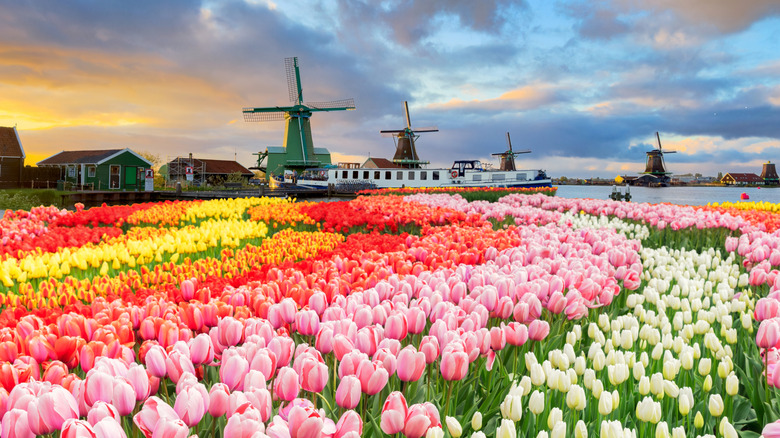
Spring highlights include the Keukenhof Flower Garden in Lisse, around 20 miles to the southwest of the capital. There, you'll find the world's largest flower garden, with over 800 varieties of tulips in multicolored arrangements. The estate dates back to the 15th century and is open throughout the spring shoulder season. Peak bloom occurs around mid-April, and the Bloemencorso parade, which runs from Noordwijk to Haarlem, about 12 miles west of Amsterdam, also takes place around this time. It's a display of ornate floats covered in spring blossoms and fresh flowers, and is witnessed by about one million people who enjoy the pageantry from the roadside.
You can follow up on that spectacle by celebrating King's Day on April 26 or 27. At this time, the entire country celebrates with street parties and live music, while wearing the bright colors of the royal House of Orange. By fall, rural landscapes are painted in crimson, amber, and gold, while winter brings frigid temperatures and brief daylight hours, making springtime the overall best season to visit if avoiding peak tourism is your priority.
France
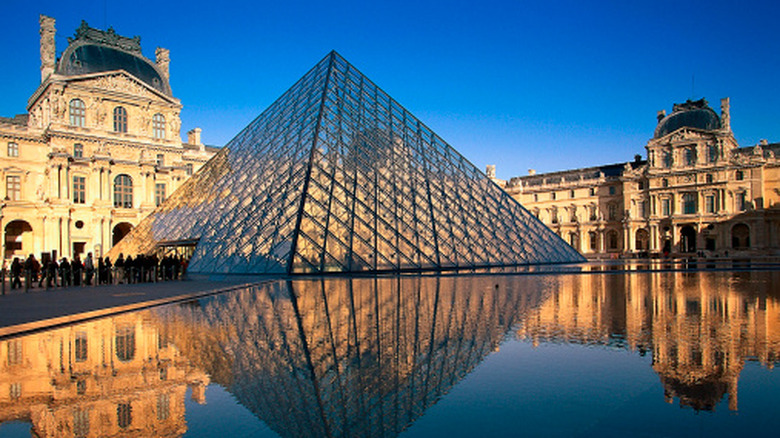
The big summer crowds in France mostly arrive in July and August, and they bring lots of jostling for space at many of the country's attractions. With crisp mornings and warm afternoons, the spring weather might be milder, but combined with the lighter tourist traffic, it's a more agreeable time to visit for many. Running from around April to mid-June, that first shoulder season brings many advantages. Provence, for example, intoxicates with its cuisine and rich history, and is a lush green before it bursts with lavender splendor. Additionally, the Loire Valley châteaux are framed by blooming gardens, while Parisian museums like the Louvre are far more comfortable to visit.
Autumn offers comfortable temperatures, and this is the best time for wine lovers, as it's grape harvest season in places like Bordeaux and Burgundy. You can tour vineyards, observe pressing and fermentation processes, attend local festivals, and even pick the grapes. The fall foliage starts painting the countryside around October, but the temperatures start to plunge by November. The days start to draw in, but cities like Paris remain lively with museums, nightlife, and Christmas markets. Year-round attractions are still available, too. The D-Day beaches are open whatever the season at Normandy, as is Mont-Saint-Michel, which sits perched atop its rocky island, mesmerizing all with medieval grandeur.
New Zealand
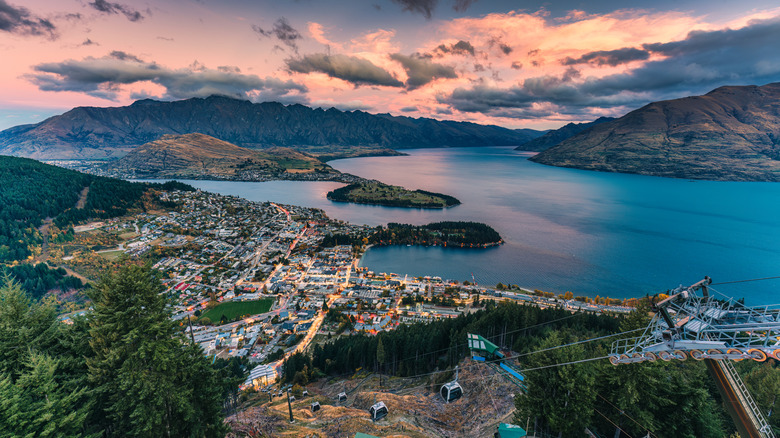
Winter in New Zealand runs from June to August, and comes with plenty of exclusive activities to offer the off-season wanderer. If you're a winter sports fan, more than 20 ski areas open up across the country, including resorts in the stunning Remarkables range surrounding Queenstown and Treble Cone near Wanaka. The mountains in New Zealand are known for their well-groomed runs and world-class powder, and the après-ski scene is excellent. After carving fresh tracks on the slopes, you can unwind in the hot springs at Hanmer Springs or the geothermal pools in Rotorua, where the steam slowly rises against the backdrop of snowy mountain scenery.
June and July mark the migration season for humpback whales, and Kaikōura (on the South Island's east coast) is one of the best destinations in the world for watching them. Mid-winter is also prime time to witness the aurora australis, otherwise known as the southern lights. The best places to catch them shifting and dancing their way across the sky are on Stewart Island or the Catlins, while the Aoraki Mackenzie International Dark Sky Reserve is also a prime spot to witness the phenomenon, or at least enjoy some incredible stargazing.
Morocco
The summer high season (June to August) in Morocco regularly sees temperatures soar past 100 degrees Fahrenheit in places like Marrakech. To explore the country's narrow, labyrinthine medina streets and bustling open-air markets — known as souks — in more comfortable weather, consider the shoulder seasons. Temperatures range from 64 to 82 degrees Fahrenheit in the mid-March to May and September to November spring and fall seasons, and, like most other places, fewer visitors make it at this time, despite the cheaper hotel rates.
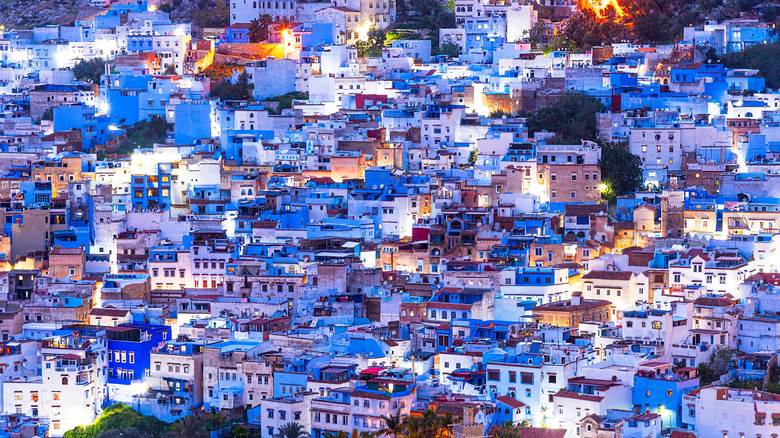
Spring also brings blooming gardens in the Dades Valley, while the Rose Festival in Kalaat M'Gouna at the foot of the Atlas Mountains is a fragrant celebration with parades, music, and stalls of locally made rose products. The low season takes place from December to February, and while it can get cold in the evenings, daytime temperatures in most cities remain somewhere between 64 and 68 degrees Fahrenheit. It's a good time to explore the UNESCO-listed medina in Marrakesh or the hypnotic sky-hued urban wonderland of Chefchaouen. Skiing is even possible at Oukaimeden in the Atlas Mountains. It's about 50 miles from Marrakech and offers natural, mostly ungroomed runs for adventurous skiers and boarders, or you can just enjoy scenic walks or long hikes.
Methodology
To choose these destinations, we looked to travel guides and magazines, tour operators, airline websites, and travel blogs, and combined those findings with the author's personal experience. Weather was a prominent consideration, but each destination also had to offer most of the same activities and attractions as the peak season. Some even offer the bonus of activities that can only be experienced in the off-season. So what are you waiting for? Get yourself ready for all those perks and get booked up for a cost-effective, crowd-thin off-season vacation to any of these wonderful destinations.