
14 Stops To Hit On The Ultimate California Road Trip
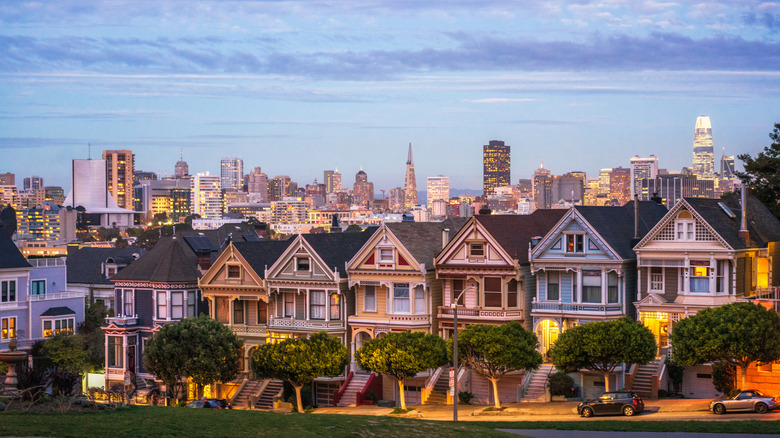
California is the U.S.'s third-largest state by area after Alaska and Texas, but it holds the distinction of being the nation's largest by population with about 39.5 million residents. It also has one of the most diverse arrays of geographical features, with a huge coastline, a temperate rainforest, dramatic mountains, and expansive deserts home to one of the hottest places in the world. Rather than choosing just one or two places to visit, what about setting aside four or five weeks for a road trip you won't forget? Experience spectacular landscapes and iconic landmarks, including all nine of its national parks, during a trip like no other.
The looped journey below covers over 2,100 miles if you stick to the most expeditious route, but we definitely recommend detouring along the way if you have the time, as this is far from a comprehensive list of everything the state has to offer. While we're starting in San Diego, you can choose to launch from anywhere. You'll just want to keep the weather in mind. The longer you travel, the more seasonal changes will affect your journey. The desert gets intensely hot in the summer, and many mountain roads, such as Tioga Pass to Yosemite, are impassable until about mid-May or early June and typically close again by mid-November. Late spring or early to mid-fall are great times to hit everything.
To compile this list, we relied on the author's experiences living in and traveling around California, plus Google Maps, regional tourism sites, and reviews of specific attractions on TripAdvisor and Google. From the soaring Sierras to hundreds of miles of beautiful beaches, read on for 14 of the most epic stops on the ultimate California road trip.
San Diego
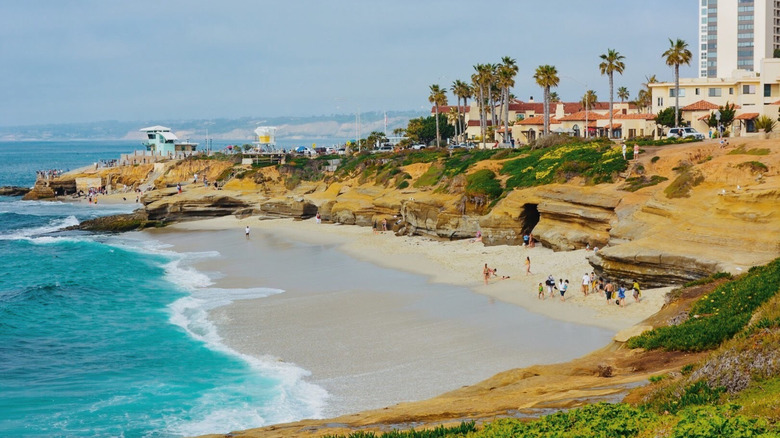
The state's southernmost large city is a great spot to either start or end your journey, where beaches and renowned surf spots, energetic harbors, and a famous zoo await. Visit giant pandas Yun Chuan and Xin Bao at the San Diego Zoo and wander around Balboa Park, the city's "1,200-acre backyard" where you'll find a wide range of museums like the Japanese Friendship Garden and Museum, the Institute of Contemporary Art, the Fleet Science Center, the Comic Con Museum, and several more.
Military history enthusiasts won't want to miss a tour of the USS Midway, a WWII aircraft carrier that's now a museum docked at Navy Pier. Just a 10-minute walk down the shoreline will land you at Seaport Village, a family-friendly destination next to the vast Embarcadero Marina for eateries and shops. Head to Point Loma to check out Cabrillo National Monument with its 19th century lighthouse and epic views down the coast. Then drive just ten minutes north to catch the sunset from the aptly named Sunset Cliffs Natural Park.
Joshua Tree National Park
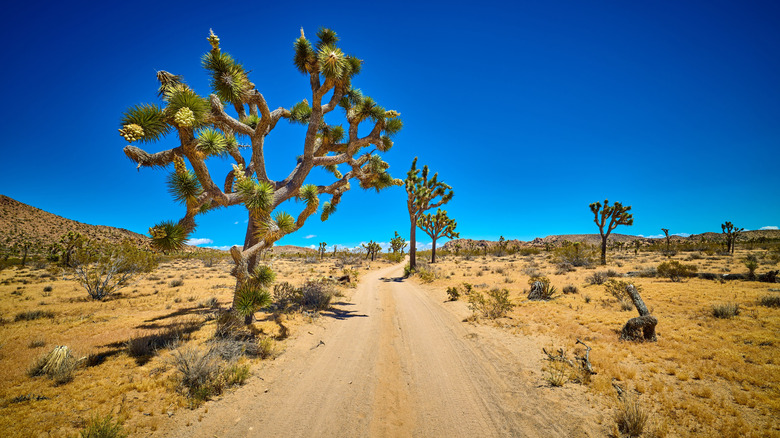
About a 3-hour drive northwest from San Diego, Joshua Tree National Park is the first of nine national parks you'll encounter on this route, should you accept the challenge. When the weather is cooler elsewhere, this desert oasis is an especially popular destination for camping, rock climbing, or hiking on miles of trails — best done early in the morning if it's forecast to get warm during your visit. It's also a designated International Dark Sky Park, so the stargazing is top-notch.
You can enter Joshua Tree National Park at three gates. The West Entrance is the busiest, but the North Entrance tends to be a favorite among visitors for shorter lines and access to some of the most popular geological formations, such as Skull Rock. If you choose to take a detour to the more remote South Entrance off Interstate 10, you'll take in the expansive Coachella Valley and make a stop in the mid-century modern hub of Palm Springs, which sits just west of the park, for stunning architecture, art, and more.
Death Valley National Park
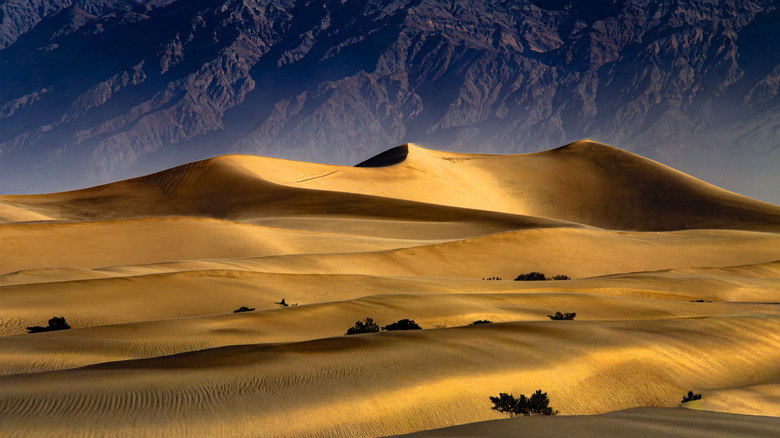
About a 4-hour drive through the Mojave Desert north of Joshua Tree National Park is the expansive and otherworldly Death Valley National Park. It takes about the same amount of time to head to either the west or east side, but unlike a lot of major national parks, there are no staffed entrance stations. Instead, there are a variety of paved and dirt road entry routes to choose from, and you'll want to have a printed map handy because, as the National Park Service points out, GPS can be pretty unreliable in this remote area.
Death Valley spans an enormous 3.4 million acres, more than 90% of which is wilderness. Needless to say, you could spend a long time exploring! It's known for its Mars-like landscapes that have broken temperature records, partly because it sits below sea level, which means it's wonderful to visit in the winter when higher elevations are cold. On the western side, look out over the spectacular Rainbow Canyon. In the southeast area, stop into the Furnace Creek Visitor Center and drive along the Artist's Palette Scenic Loop to see its titular rock formations, vibrantly hued with mineral deposits.
Sequoia and Kings Canyon National Parks
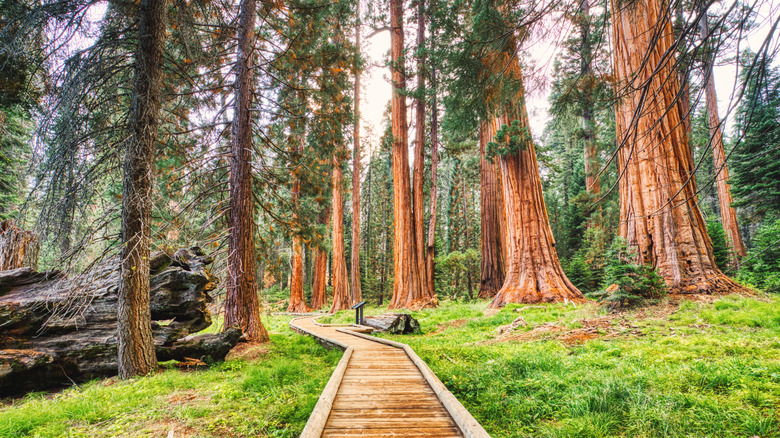
Although the west boundary of Death Valley and the eastern edge of Kings Canyon National Parks are less than 70 miles away as the crow flies, the landscapes couldn't be more different. You'll have to hang about a 5-hour U-shaped route south around the southern Sierras to reach the entrances of Sequoia and Kings Canyon National Parks, which share a border, as there aren't any roads that cross through them from east to west. You'll encounter monumental sequoias that are centuries old, plus dramatic canyons, mountain vistas, great camping, and stunning hikes.
The parks operate as one unit with multiple districts that feature different experiences. Drive along the Generals Highway to the Giant Forest to encounter what is perhaps the most iconic natural landmark in the parks: General Sherman. The world's largest tree by volume, its timber could build roughly 120 small houses. In the spring, stroll through wildflowers in the Lodgepole area, which features waterfalls and granite gorges. And for a rugged, high-altitude treat, make your way to the rarefied valley of Mineral King, with stands of sturdy conifers and a couple of small, primitive campgrounds.
Yosemite National Park
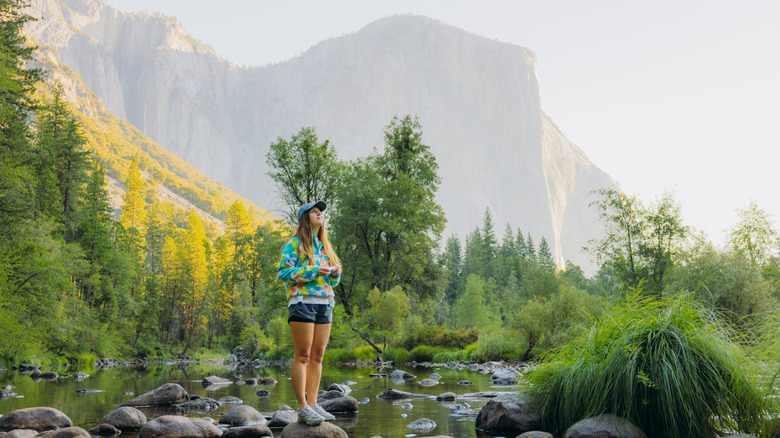
One of the most iconic national parks in California, Yosemite is about a 3-hour drive via Fresno to the South Entrance and the Wawona area from Sequoia National Park. There are five entrances to the park, one of which — Tioga Pass — is on the east side and is closed in the winter. If you do make the trek in winter, though, detour up U.S. 395 to the resort hub of Mammoth Lakes, California's top ski destination with world-class terrain.
If you enter Yosemite at the Wawona area, you'll be treated to giant sequoias in Mariposa Grove. Head north, and Yosemite's biggest attractions are mainly in the Yosemite Valley, which is where you'll find the monumental El Capitan, Vernal Falls, Sentinel Falls, and more — all of which are stunning. You'll find campgrounds, hikes, visitor and nature centers, picnic areas, and more to explore, but keep in mind that it's also the busiest area. If you're looking for a more tranquil alternative, head to Hetch Hetchy Valley with its picturesque reservoir, considered by some to be Yosemite Valley's "quiet twin."
Lake Tahoe
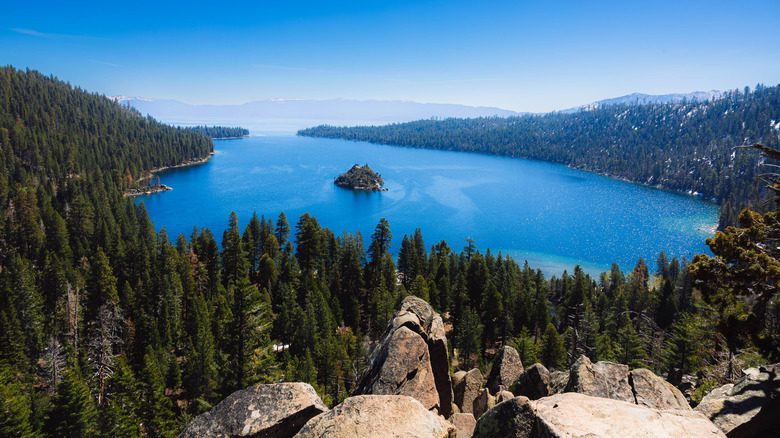
A little more than two hours north of Yosemite National Park is the gorgeous Lake Tahoe, North America's oldest lake and an outdoor recreation paradise. The lake sits along California's border with Nevada and is one of the preeminent year-round holiday destinations in the state thanks to its miles of shoreline for hiking, boating, swimming, and skiing.
The area's largest city is the aptly named South Lake Tahoe, which sits on the southern shoreline. It's a great basecamp for exploring the area as it features numerous resorts, eateries, marinas, outfits offering boat rentals and tours, and more. If you head up the California side of the lake, you'll encounter smaller towns and plenty of opportunities to take in spectacular views. Stop at Ed Z'berg Sugar Pine Point State Park to explore two miles of undeveloped shoreline along with a 1903 mansion. In Tahoe City, head to Commons Beach right in the center of town, where you can take a dip or enjoy live music every Sunday afternoon during the summer.
Lassen Volcanic National Park
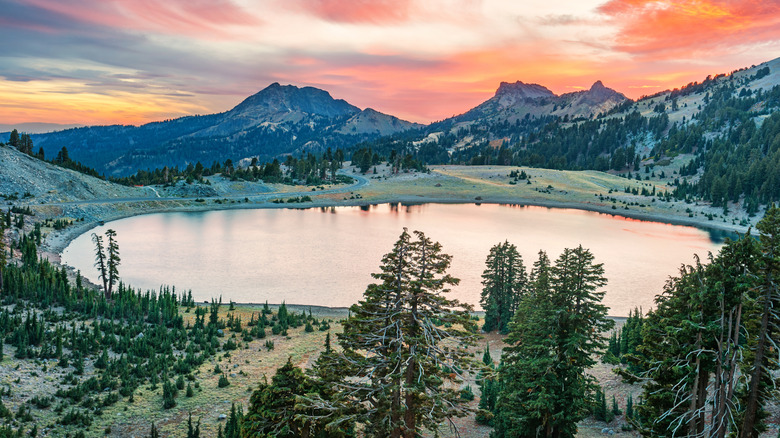
About 3.5 hours' drive northwest of the top of Lake Tahoe sits one of California's least-visited national parks with spectacular geological landscapes and excellent camping and hiking. Lassen Volcanic National Park is known for the crystal-clear waters of its mountain lakes, especially Juniper, which is the largest. Manzanita and Butte Lakes are ideal for anglers looking to cast a line for trout due to being relatively easy to reach, but don't discount the park's handful of creeks and plenty of other lakes that have at least some access.
As its name suggests, Lassen is home to a number volcanoes and other active geological phenomena. Hikers will find more than 150 miles of trails that criss-cross meadows that erupt with wildflowers in the spring and head through hydrothermal areas and around lakes. If you prefer to stay behind the wheel, you can take in many of the biggest sights along the main highway, which takes about an hour to drive in full. When you're ready to relax, camp at one of eight seasonal campgrounds.
Redwood National and State Parks
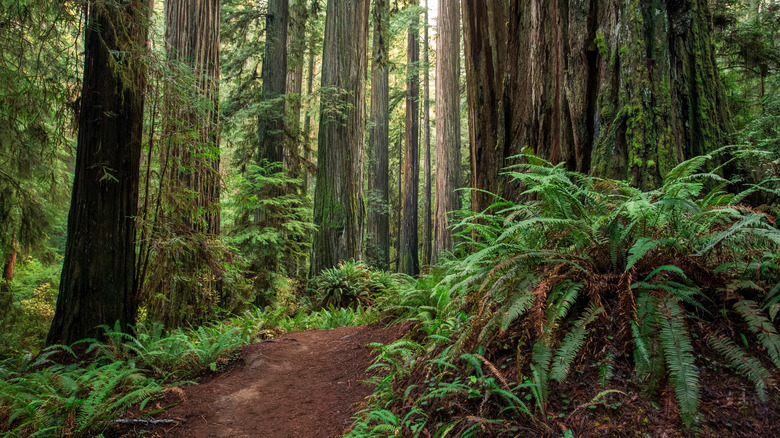
About five hours west of Lassen Volcanic National Park via Redding, Redwood National and State Parks are not to be missed for gorgeous, ancient groves with plenty of camping opportunities, walks, scenic drives, and funky small towns nearby. If you have the time, you may want to detour north on Interstate 5 to see the dramatic Mount Shasta, but just keep in mind that to get to the coast, you'll have to loop back down around or up and over the Klamath Mountains. Once you reach Highway 101, you have miles of stunning Pacific coastline and forests to explore.
Redwoods National and State Parks comprise a network of three state parks plus the national park. Jedediah Smith, which is just east of Crescent City, is the northernmost of the bunch, and you'll find gorgeous year-round campsites nestled amid the trees, but you'll also find camping at Prairie Creek, Gold Bluffs Beach, and Mill Creek. Unlike most national parks, there's no entrance fee, but there are specific state park fees for the Gold Bluffs Beach and Fern Canyon areas.
Stay on Highway 101 to skirt the eastern edge of the park or dogleg onto the Newton B. Drury Scenic Parkway, where trailheads are sprinkled along the route. As you continue south along the coast, don't miss a chance to stop in some of the inviting small towns along the way, such as Trinidad, Arcata, and Eureka, one of California's most affordable towns to retire.
California's Wine Country
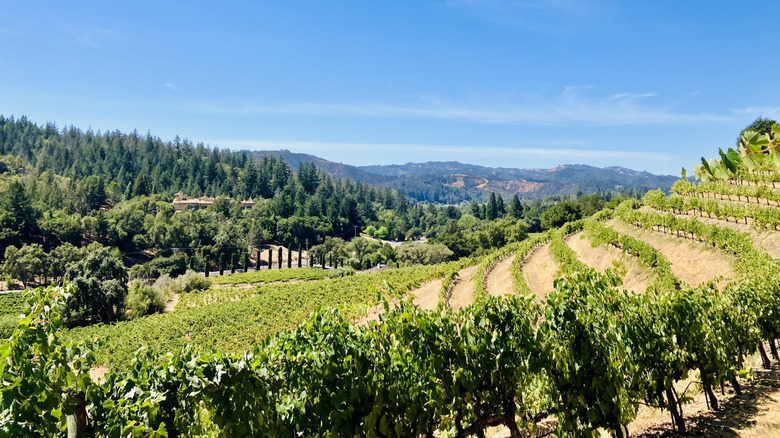
It takes about five hours to drive down the coast to California's Wine Country from Redwoods National and State Parks, but you should definitely take your time. This part of the coast is absolutely stunning and worth making a few stops in places like the underrated artsy little town of Fort Bragg. When you make it to Wine Country, though, there will be signs. We're talking about an expanse of agriculturally fertile land north of San Francisco where some of the world's most renowned grapes are grown, and the hills are cloaked in vines.
Napa Valley is probably the first to spring to mind, and for good reason, as the region features more than 400 wineries and about a quarter as many tasting rooms for sipping and pairing to your heart's content. You'll find luxury retreats and dining options from local farm-to-table eateries to Michelin-starred destinations, plus an affordable state park with romantic yurts and a swimming pool. Napa can't take all the credit, though, as nearby Sonoma Valley is an equally popular, if slightly more laid-back destination for wine, food, and outdoor experiences all year round. Visit the city of Sonoma with its quaint and historic plaza, or take a break at Jack London State Historic Park, where you can visit the legendary novelist's former home.
Sacramento
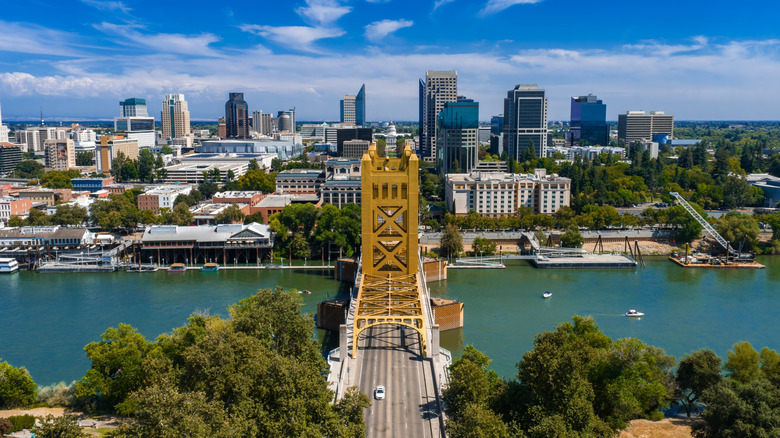
It's straightforward to continue south to San Francisco from Sonoma, but if you fancy a trip to "America's farm-to-fork capital" — which also happens to be the state capital — head about 1.5 hours northeast to Sacramento. Visit the Capitol Museum for a guided tour or a wander around the park, or explore a wide range of prominent museums and historical sites like the California State Railroad Museum, the Crocker Art Museum, the elaborate Leland Stanford Mansion State Historic Park, Sutter's Fort State Historic Park — the West's oldest restored fort — and more.
The Old Sacramento Waterfront district is a lively place to take a stroll or check out restaurants and shops. Third Thursdays feature local art and special events, and you'll find artisan coffee, bakery, and other eats around the neighborhood. If you're looking for some family-friendly fun, head to the beautiful William Land Regional Park, which spans more than 200 acres and is home to the Sacramento Zoo and a nonprofit amusement park called Fairytale Town, plus gardens, picnic areas, ball courts, and more.
San Francisco
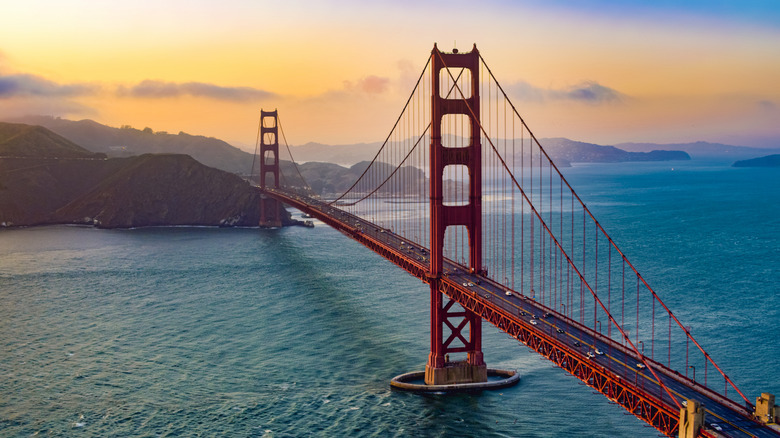
San Francisco is about 2.5 hours southwest of Sacramento. Cross the iconic Golden Gate Bridge into the heart of the city and stop for a while at the Presidio, at the base of the Golden Gate Bridge, where you can see the beautiful Palace of Fine Arts, the Walt Disney Family Museum, and Baker Beach, which offers spectacular views of the bridge and the open ocean.
Downtown, ride a historic cable car down famously steep hills, take a cruise of San Francisco Bay from Fisherman's Wharf — and spot lots of sea lions — and explore one of the most famous Chinatowns in the U.S. You'll find numerous museums to exercise your noggin, from the Exploratorium and the Institute of Contemporary Art to the Cable Car Museum and the San Francisco Maritime National Historical Park. You may even want to book a ferry ride to Alcatraz Island, the storied rock in the middle of the bay that has been a fort, prison, and a site of civil rights activism.
Pinnacles National Park
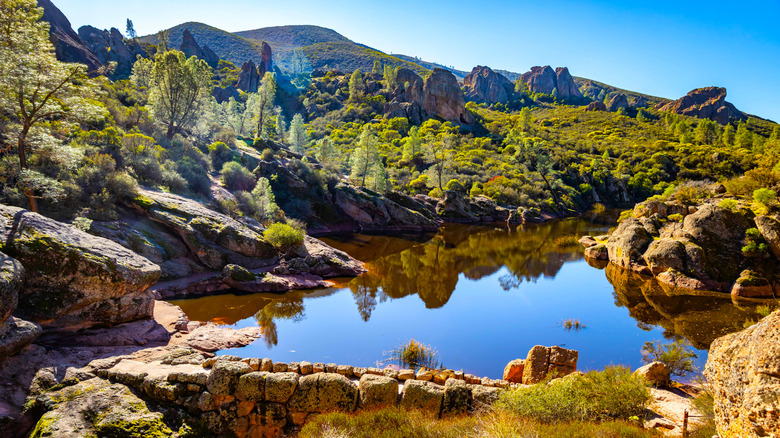
For a true departure from the city, head just 2.5 hours southeast via San Jose to Pinnacles National Park. This underrated inland gem features camping and amazing hikes through unique geological formations thanks to volcanic activity millions of years ago. There's a campground located on the east side of the park, making it easy to stay for a couple of nights.
Pinnacles is a popular rock climbing destination, as well as birdwatching and hiking, with more than 30 miles of trails to set out on. Some routes include caves and deep gorges, so you'll want to be prepared with a headlamp or flashlight, but like all national parks, rangers will be able to give you plenty of information about where to go and how to stay safe. Caves sometimes close to protect the local bat population or because of flooding or rockfalls. Ranger programs, schedules for which are posted at the visitor centers, are also a great way to learn about the ecology and natural history of the park.
Big Sur and the Central Coast
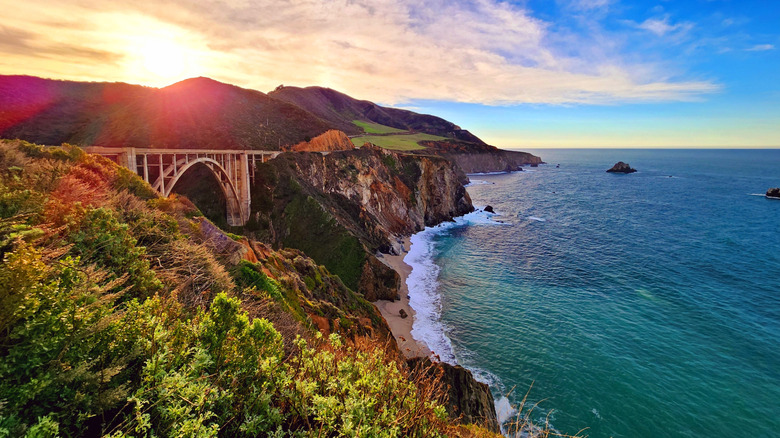
From Pinnacles National Park, head about 1.5 hours west to rejoin the coastline at Carmel-by-the-Sea, a town of beaches, galleries, and boutiques. This is a great place to start along a memorable journey down California State Route 1 by way of Big Sur — easily one of the most iconic coastline stretches in the whole state. You'll find seemingly endless beaches, viewpoints, and picnic spots. (Traveling south is ideal because spontaneous right turns are easier than left-hand ones!)
The stretch is dotted with state parks and nature preserves like Point Lobos State Natural Reserve, Ishxenta State Park, Garrapata State Park, Point Sur State Historic Park, and many more. Just a little way inland, Pfeiffer Big Sur State Park is among the most popular, and you'll find the area's largest campground with easy access to redwoods, the Big Sur River, and hiking trails. Continue down through small towns and past plenty more Pacific overlooks, and make sure to stop at the incredible Hearst Castle in San Simeon for a taste of early-20th century California opulence.
Los Angeles and the Channel Islands
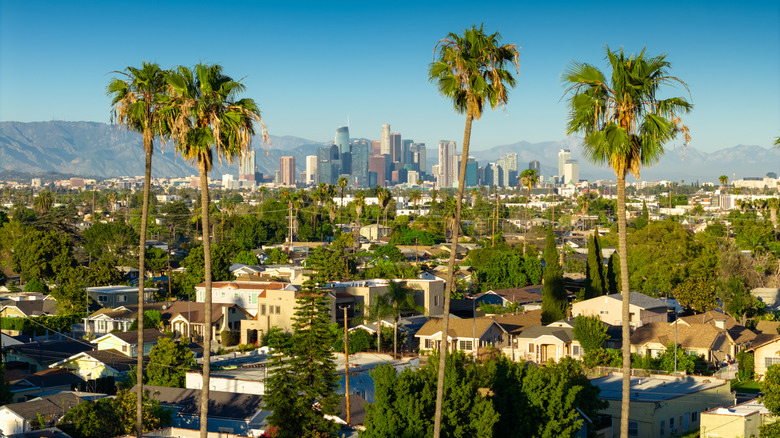
Downtown Los Angeles is a little more than four hours further along the coast from San Simeon. Los Angeles is the U.S.'s second-largest city, home to nearly four million people and chock-full of galleries, restaurants, amusement parks, and more. It's the place to see Hollywood and visit Universal Studios to immerse yourself in the world of cinema with a studio tour and theme park rides.
Window shop the luxury boutiques of Rodeo Drive, seek out celebrities' stars along the Hollywood Walk of Fame, or visit Griffith Park with its famous observatory and spectacular views over the city. Los Angeles is also a center of world-class museums, such as the Los Angeles County Museum of Art (LACMA), the Getty — which is getting a major expansion — the Natural History Museum of Los Angeles County, the La Brea Tar Pits & Museum, and many more.
The greater Los Angeles area is also your jumping-off point for exploring some of Southern California's islands. If you fancy a more remote experience, head to Channel Islands National Park for rugged camping with the Pacific all around you, or take a high-speed ferry to Catalina Island, one of the best scuba diving destinations in the U.S.