
Unwritten Rules You Should Know Before Visiting San Diego
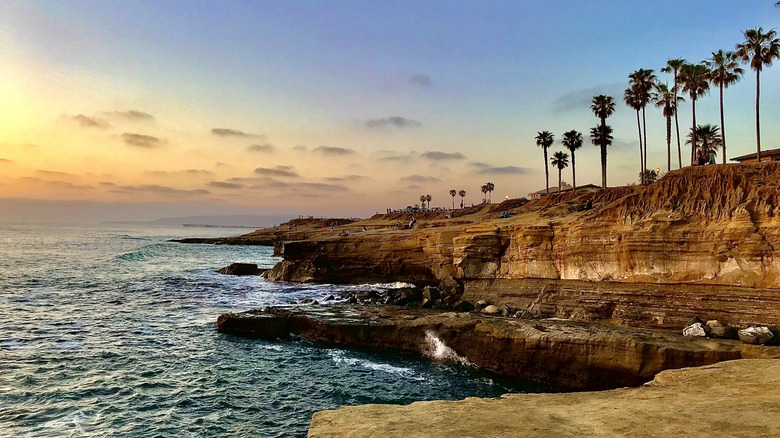
San Diego is one of those destinations that seems practically effortless to visit. With year-round temperate weather, miles of picture-perfect beaches, and its laid-back reputation, it's tempting to assume you can simply show up, throw on some flip-flops, and be on your way. While that's partly true, locals know that there are plenty of unwritten rules that can make the difference between a completely smooth experience, and sticking out as a first-time tourist.
From understanding why the beach isn't always sunny in June to knowing when it's actually worth planning your vacation, a little local knowledge goes a long way. There are also practical things many visitors don't realize until they're already there, like why checking beach conditions matters before swimming, why renting a car usually makes life easier, and why getting too close to San Diego's famous sea lions isn't only frowned upon — it's illegal.
Whether you're visiting for a weekend getaway or a longer Southern California road trip, these San Diego etiquette tips and insider rules will help you experience the city the way locals do while avoiding some of the most common mistakes visitors make. As someone who has lived in Southern California for over eight years, and has visited San Diego many times, I've pulled from personal experience to compile these unwritten rules, while also referring to locals via Reddit and blogs.
Be ready for May Gray and June Gloom
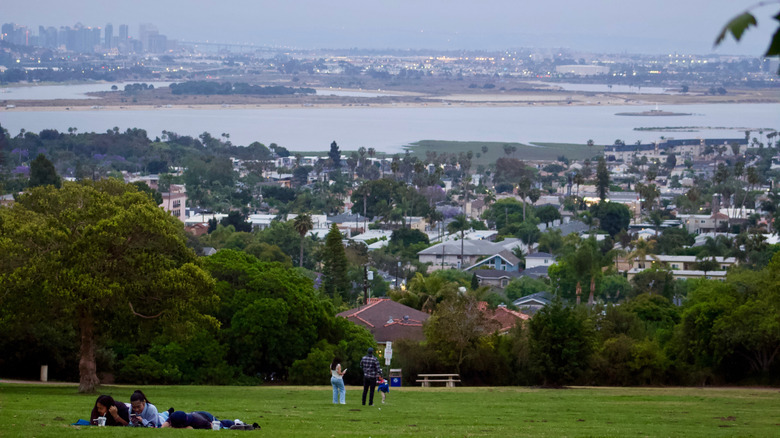
San Diego is known for perfect weather, but don't take this too literally. Its cold ocean water creates a subsequent marine layer, which, when it combines with air 10 to 15 degrees warmer, it results in a phenomenon we Californians call "May Gray and June Gloom." In layman's terms, expect clouds and chillier weather during these months, and don't be too disappointed if it's not swimming and sunbathing weather. "The interesting thing is that Spring and May Gray/June Gloom has literally gotten worse over the last decade here, with average temps dropping consistently over the last decade," said one Reddit user in r/SanDiego.
Be sure to pack accordingly during this time. But regardless of when you visit, don't forget to bring a jacket. Throughout the year, temperatures can vary depending on how close to the coast you are, and due to the lack of humidity, it generally feels significantly cooler at night.
Summer lasts through the fall
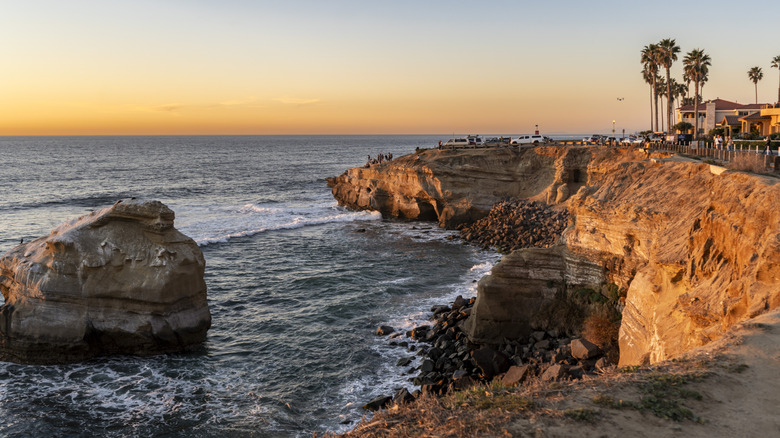
As we've mentioned, May and June are typically more glum thanks to the region's famous "May Gray and June Gloom" marine layer. However, by July, the sunny beach weather we expect in San Diego has finally arrived. While summertime gets a later start here than in many other parts of the country, the upside is that it doesn't end when the calendar says it should. Warm, sunny days typically stretch through September and sometimes into October, with ocean temperatures remaining comfortable for swimming, surfing, and other beach activities.
This means that early fall is arguably the best time to visit San Diego — and Southern California, as a whole. You'll still get the classic beach weather, but with noticeably fewer tourists than during the peak summer months. Popular attractions, restaurants, and beaches tend to feel less crowded, and you'll often find better hotel rates and vacation rental prices once the traditional summer travel season winds down.
Don't get too close to the seals and sea lions at La Jolla
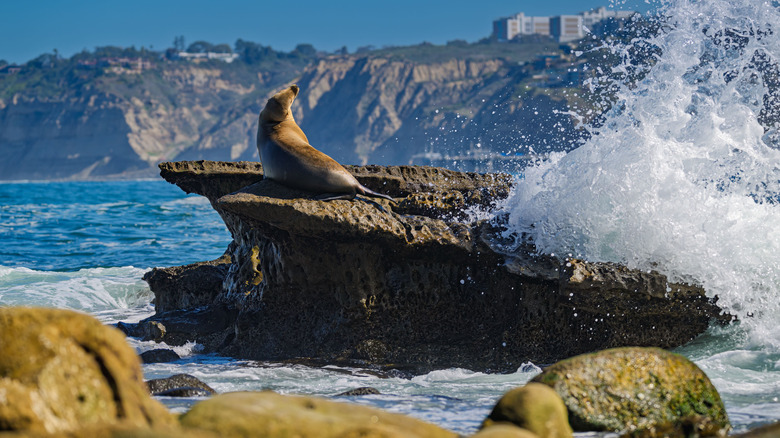
La Jolla is known as the "Jewel of San Diego," thanks to its surreal beach views and artsy, upscale atmosphere. Both tourists and locals come here to see the seals and sea lions that like to lounge on La Jolla's sand and coves as well. Naturally, this is one of California's most photographed beaches, as well as being among San Diego's most recognizable landmarks, so crowds have become an increasing problem. This is especially true when it comes to people (usually tourists) getting too close to the wildlife, which can lead to potentially dangerous situations for both animals and humans alike.
Incidents have sadly become increasingly common. In fact, two sea lions charged at tourists getting too close for a photo as recently as July 2026 (per The Cool Down). Rangers and lifeguards are now in place to ensure that spectators keep their distance. Sea lions can be particularly aggressive during their breeding season, which falls from June to August. However, regardless of the time of year, it's crucial to respect their space. It's illegal to touch, feed, or harass sea lions, which are a protected species, and sea lion mothers can abandon their pups if they are at all disturbed. So, either bring a camera with a zoom lens or simply enjoy watching from the designated viewing areas. The sidewalk at Point La Jolla and Boomer Beach are the best spots.
Check the flags (and the weather) before swimming or surfing
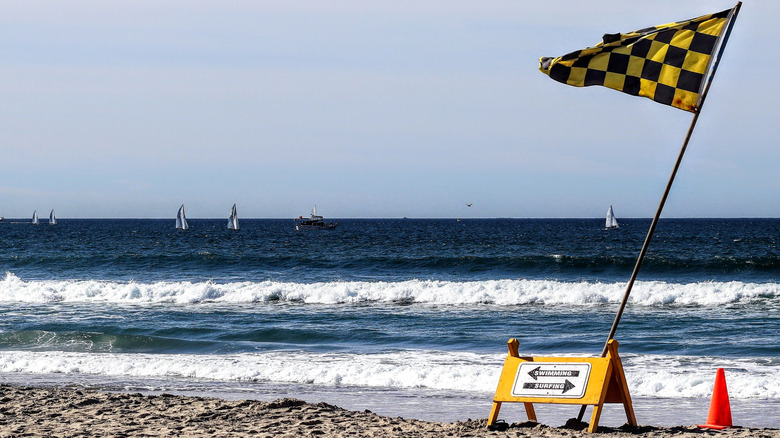
Surfing, swimming, and water sports are, without a doubt, a highlight of any San Diego vacation. But what most tourists don't realize is that San Diego's water isn't swimmable every day of the year. Although the city generally has good water quality, bacterial levels can rise significantly after rain, and it's recommended to avoid going into the ocean for three days afterwards. And, yes, while heavy rain is uncommon, it does occasionally rain here, especially in the winter and during an El Niño weather pattern.
Sewage spills and urban runoff can also occasionally become problems, resulting in closures. So before you head into the water, look out for any signage or flags. Apart from closures, also be sure to look out for the black and yellow checkered flags that divides the swimming and surfing zones of the city's major beaches. It's also worth taking a minute to look at the surf before heading in. Rip currents can occur even on beautiful sunny days, so swimming near a staffed lifeguard tower is always the safest choice.
Skip the drinks on the beach
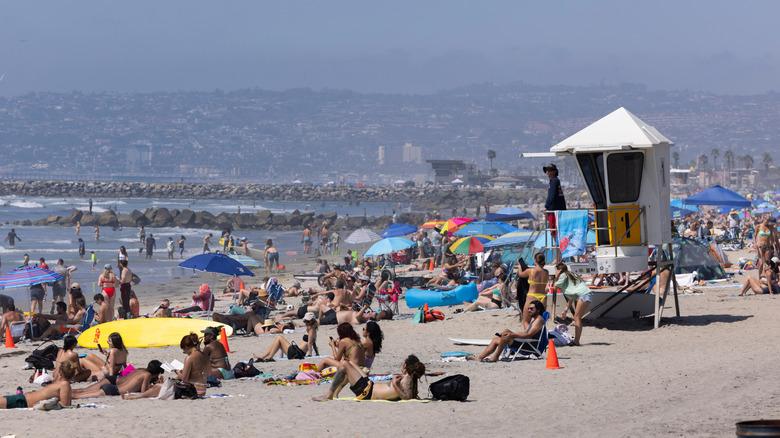
There was once a time when alcohol was allowed on San Diego's beaches. That all changed one fateful Labor Day in 2007, when a fight broke out on Pacific Beach, escalating to a riot, according to NBC 7 News San Diego. Police in riot gear and helicopters were called, and 16 arrests were made. In 2008, thanks to a controversial move from the city government, a ballot was approved to ban alcohol on the beach and it officially went into effect in 2009.
Since then, the rule remains, extending not only to the actual beach, but to any boardwalks, piers, and some public parks — although one notable exception includes Balboa Park, where you can legally drink between noon and 8 p.m. in certain areas. With that said, nothing ruins a vacation quite like being fined by the police for public drinking. So, stick to one of San Diego's beachside bars. Lahaina Beach House and Baja Beach Cafe are two popular options.
Go beyond the beaches
From hidden historic sea caves to bustling stretches like Mission Beach, San Diego's 70 miles of coastline are its claim to fame. And while some beach time is worth a spot on your San Diego itinerary, don't forget that San Diego is also a thriving city filled with unique neighborhoods, cultural institutions, hiking, and more. One of my favorite neighborhoods is North Park, a vibrant district lined with local shops (be sure to stop into Verbatim Books, San Diego's largest independent bookstore that's rated a 4.8 on Google), and restaurants like the Michelin-recommended local seafood eatery, Mabel's Gone Fishing.
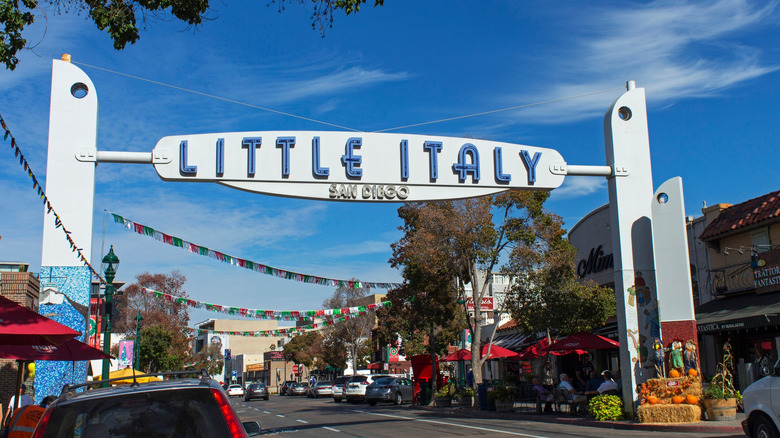
For culture and history, head to Little Italy, which has been a stronghold of San Diego's Italian community since the 1920s. While here, you'll find spots like the picturesque Piazza della Famiglia. Of course, it's also the place to go for Italian food — the family-owned Mona Lisa Italian Foods, which has been operating in the neighborhood since the '70s, is the top choice of travel blogger Travel on the Reg, who lived in San Diego for several years. You can also go to the neighboring Embarcadero area to visit the Maritime Museum of San Diego, which is home to the oldest active sailing ship in the world. And don't miss the coastal California trails of Torrey Pines State Natural Reserve, that combines San Diego's legendary beach views with more pristine nature. San Diego-based travel blogger Lust for the World also recommends the 3.8-mile trek to Stonewall Peak in Cuyamaca State Park for a hike complete with sunset views.
Leave lots of time for Balboa Park
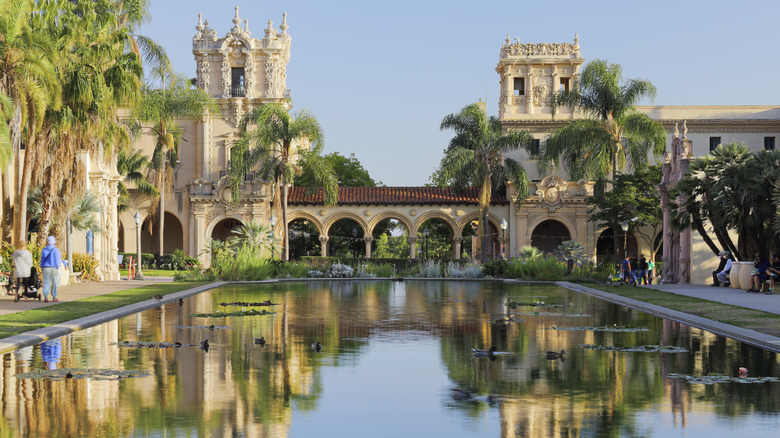
Of all of San Diego's top attractions beyond the beach, one spot that deserves extra attention is Balboa Park. First developed as a park in the 19th century, Balboa Park now spans 1,200 acres. For comparison, New York's Central Park is just 843 acres! And just like Central Park, Balboa Park is also filled with iconic museums, gardens, and even a zoo. In short, you could easily spend a day without seeing everything — so at the very least, allot a few hours to wander its picturesque grounds.
The park is technically free to visit, and a number of its attractions are also free, such as the Timken Museum of Art, the Commons Area at the Mingei Museum, and gardens like the Inez Grant Parker Memorial Rose Garden and the Kate O. Sessions Cactus Garden. I also love strolling through the Spanish Village Art Center, a colorful enclave of artisan studios, where you'll also live music and other events. As for its paid sites, options range from the The San Diego Museum of Art to the San Diego Natural History Museum. Consider purchasing a Balboa Park Explorer Pass, which offers seven-day access to 16 different museums, or a one-day pass with admission to four museums. Access to the San Diego Zoo or the Comic-Con Museum are not included.
Keep your wardrobe casual

This laid-back West Coast destination isn't the place to dress up. "When visiting San Diego, you want to emulate the San Diego style which is effortlessly cool," said local blogger Le Travel Style. While some areas of town can be a bit ritzier, you can't go wrong by keeping things simple. Whenever I visit San Diego from the Los Angeles area (where I live), I always notice more people embracing California surfer style, like flip-flops, and casual T-shirts, and less of an emphasis on expensive brands and the latest trends.
Athleisure is also quite popular, fitting in with an overall active lifestyle than San Diegans are known for. The increasingly popular athleisure brand Vuori even got its start in Encinitas, part of San Diego County. Comfortable walking shoes are also a must. Between waterfront strolls, neighborhood exploring, and attractions like Balboa Park, you'll likely spend much more time on your feet than you expect. But ultimately, don't worry too much about what you wear: "We are so low key, no one will worry about how you are dressed," said one Reddit user in r/SanDiego.
Rent a car and leave extra travel time

Southern California unfortunately has ways to go in terms of providing good public transportation, and San Diego is no exception. While public transportation certainly exists (including a trolley that operates in places like Old Town), it can be somewhat limited beyond the downtown area. Plus, it can be difficult to navigate for tourists who want to explore different areas of the city, such as the beaches.
Ubers, on the other hand, can be pricey, and costs can add up quickly over a longer trip. So, renting a car will be your best bet, both in terms of cost and efficiency. Just note that while traffic in San Diego isn't quite as infamous as in nearby Los Angeles, it's still something to be prepared for. If you need to be anywhere at a certain time, give yourself an extra buffer so as to factor in time to park in more popular neighborhoods. Beach parking can be especially competitive on weekends and holidays, sometimes filling up by late morning during the summer. Arriving early or planning beach visits later in the afternoon can make finding a spot much less stressful.
Don't skip the California burrito (or other local dishes)
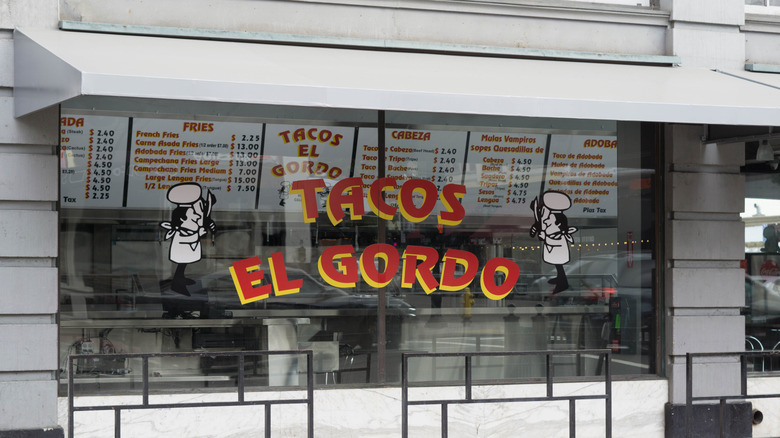
Perhaps San Diego's most emblematic dish is the California burrito. Traditionally packed with carne asada, guacamole, cheese, pico de gallo, and French fries, trying one is a non-negotiable for any San Diego vacation. The surf and turf version, served at places like the 4.6-star rated JV's Mexican Food, is another quintessential San Diego dish. Although the roots of the California burrito aren't completely clear, they're often traced to Lolita's — a restaurant whose menu started featuring the staple dish since the 1980s. Others credit Santana's Mexican Grill for the invention of the burrito, while Roberto's is also typically recognized for popularizing the dish. Regardless of who first created it, there's no doubt that California burritos and San Diego are practically synonymous. La Perla #3, rated 4.7 on Google, is also a favorite among Redditors in r/FoodSanDiego.
But beyond burritos, asada fries also have deep roots in San Diego (Humbertos, Vallarta's, and Tacos El Gordo are popular choices), and are typically topped with grilled steak, cheese, guacamole, sour cream, and pico de gallo. San Diego is also one of America's top cities for fresh seafood, and you'll also find plenty of Mexican coastal-inspired dishes, like Baja-style fish tacos, which generally consist of fried fish topped with cabbage, pico de gallo, and crema. Kiko's Place, rated 4.7 on Google, is one top option. While you'll find Mexican food throughout California, many locals argue that San Diego's close proximity to the Mexican border means that it's also home to some of the country's very best taco shops.
Take sustainability seriously
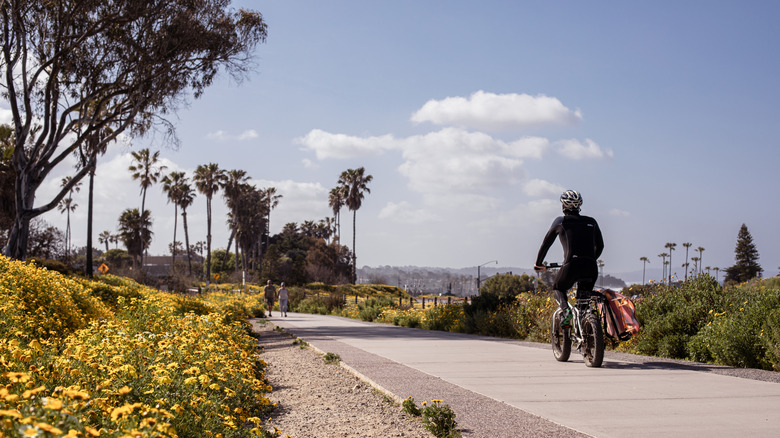
On one San Diego-focused Reddit thread inquiring about the city's unwritten rules, "Never leave trash on the beach," and "pick up three pieces of trash whenever you go there. Litter tax!" are among its top-voted answers. While, yes, not littering on a beach (or anywhere) is always an important rule to follow everywhere you go, note that many locals absolutely take this rule more seriously than in some other places. A recent WalletHub survey ranked San Diego as the seventh "greenest" city in the U.S., with the city fairing particularly well in the environmental category, which measures things like air and water quality along with green spaces, energy sources, and lifestyle and policy categories. But being sustainable also runs deeper than just not littering.
Consider swapping a couple of car rides for biking. After all, the San Diego region boasts 1,800 miles of bikeway. Furthermore, check out one of the farmers markets you'll find throughout the week. The Little Italy Mercato Farmers' Market on Saturdays is the city's largest, with over 150 vendors and spanning six blocks. San Diego is also home to no shortage of local businesses to support — the North Park neighborhood is a good place to start. Redditors in r/SanDiegan recommend North Park's Pigment for unique home and gift items made by local artists along with Liberty Station, a former naval training center that dates back to the 1920s. Now, it's filled with eateries, studios, and shops, like Sea Hive, which carries artisan and vintage items from over 150 local businesses.
Take advantage of affordable attractions
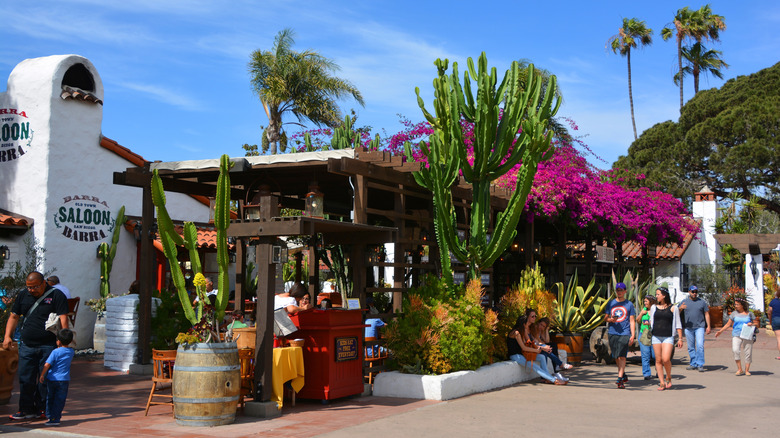
Like nearby Los Angeles, San Diego has a reputation for priciness. For example, tickets for popular attractions, like the world-famous San Diego Zoo, are currently a steep $78 per adult. According to the travel intelligence platform Tripbase, a mid-range vacation to San Diego comes out to over $300 a day, while luxury trips are estimated at $710 and up. With that said, it's absolutely possible to spend less.
Per Tripbase, a "backpacker" budget comes out to around $80 a day, and San Diego is brimming with free or low-cost activities, as well as affordable eats. For instance, Centro Cultural de la Raza, a space dedicated to Chicano, Mexican, Indigenous, and Latino art and culture within Balboa Park, has a suggested donation of just $7. Or, you can pop into some of the numerous museums within Old Town San Diego, California's oldest city, are all free. And perhaps most importantly, visiting San Diego's numerous sunny beaches is also free. Save even more on your stay by booking your trip between October and April. It also may be worthwhile considering a San Diego CityPASS, as it can offer good value if visiting multiple top attractions. You'll also save money by taking advantage of San Diego's many picnic-friendly parks and beaches. Picking up sandwiches or tacos from a local shop and eating with an ocean view is often just as memorable as dining at an expensive waterfront restaurant.