
12 Tips From Park Rangers For Enjoying Yosemite National Park
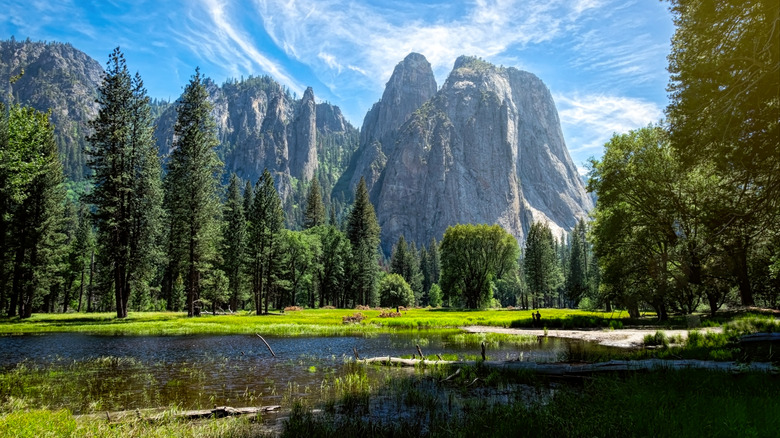
"It is by far the grandest of all the special temples of Nature I was ever permitted to enter," wrote naturalist John Muir about Yosemite Valley in a letter dated July 26, 1868. The "Father of the National Parks" encountered the High Sierra marvel for the first time that year, and it was designated a national park in 1890. Ever since, it has continued as one of the most stunning parks in the U.S., along with being one of the world's most iconic natural wonders. Whether it's your first time visiting the park's biggest attractions or you're scouting out some of the more secret spots in Yosemite that most tourists miss, there's a lot to know about making the most of your visit. And there's no one better than a ranger to share the ins and outs.
Below, explore 12 tips from current and former Yosemite National Park rangers who describe what will help make a visit most enjoyable and safe. They have a lot to share about what to expect, including some technical aspects to visiting the park. Some details, such as timed entry, may change from year to year. For example, a big change in timed reservations went into effect for summer 2026 after five years of requiring vehicles to book ahead for arrival during the busiest times of the year. It's always a good idea to consult the official Yosemite National Park webpages for the latest updates.
To compile this list, we consulted videos featuring Yosemite park rangers that are produced by the National Park Service, bloggers who interview or were formerly rangers themselves, Reddit threads, and other social media and articles. We've also researched NPS.gov, Yosemite conservation resources, regional tourism sites to make sure we've shared the most up-to-date information.
If you want to see it all, plan for at least three to five days
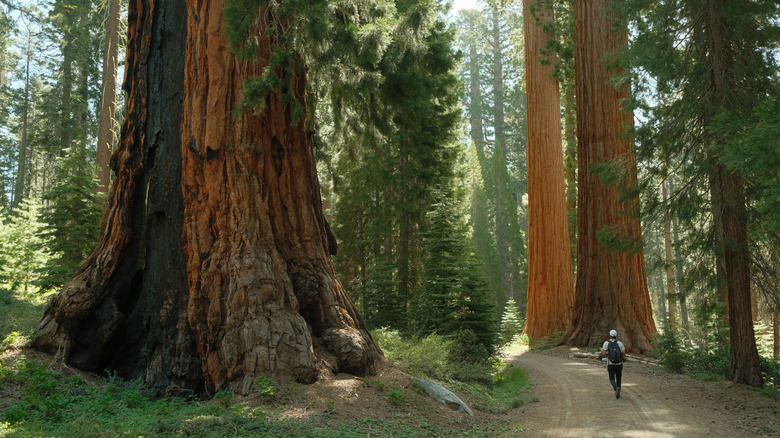
At 1,169 square miles, Yosemite is vast, varied, and wonderfully biodiverse. Nearly 95% of the park has been congressionally designated as wilderness, which means stunning backcountry adventures for longer overnight treks. The park has five major regions — Yosemite Valley, Glacier Point, Mariposa Grove (and Wawona), Hetch Hetchy, and Tuolumne Meadows — and if you really want to see it all, allow one day each to give yourself enough time for hikes, exhibits, overlooks, ranger-led programs, and more.
"Overall, I would not recommend fewer than three to five days in the park, as each area is so unique and worth visiting," former seasonal park ranger McKenna Brogan shared on One More Step Travels. She suggests one to two days in Yosemite Valley, the busy jewel of the park, plus a day each exploring Hetch Hetchy and the high country sights along Tioga Road. Spend another day or two exploring Glacier Point Road and heading down to Wawona and Mariposa Grove. Needless to say, you could easily stretch your stay much longer. During the peak summer season, traffic can be heavy, so you'll also want to factor in driving times. It can take up to an hour to drive from Yosemite Valley to Mariposa Grove straight through, so factor that in since you'll likely want to make stops along the way, too.
Plan ahead, but also be spontaneous — especially in the summer
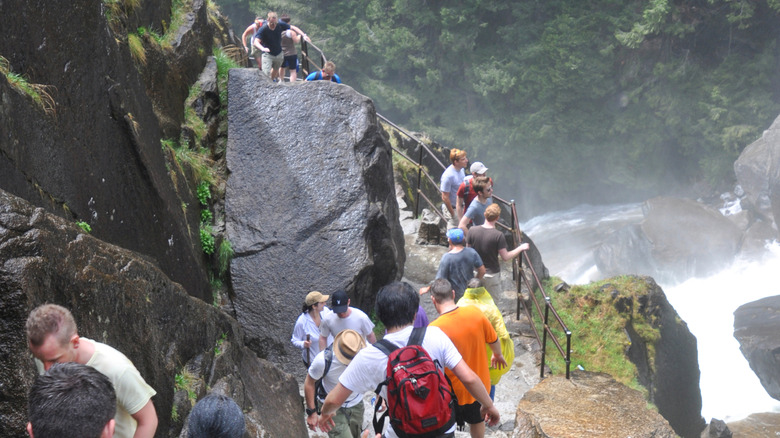
With a busy park comes traffic congestion, limited parking, and campsites that that book up months in advance. Yosemite National Park often sees more than 4 million visitors annually, around 75% of whom visit between May and October. Visitors learn quickly that there's a lot to do, and it pays to have a plan B in case logistics get in the way, or you learn about something at the last moment that you're determined to cram in before you leave. Yosemite Public Affairs Officer Scott Gediman told the FlyingDawnMarie YouTube channel that one of his favorite pieces of advice, especially in the summer, is to "pack your patience." And that goes hand in hand with planning ahead so you know what part of the park you're interested in checking out and what you really want to accomplish while you're there.
"We always recommend to people, you know, do a little planning, and there's so much to see," Gediman added. "You know, people say, 'You've been on every trail!' And I say, 'No! There'd 750 miles of trails to hike.'" Because the options feel virtually endless, Gediman suggested thinking about what you most want to do or see depending on how much time you have. "There's so much to do, so I always say it's kind of that fun balance to plan a little ahead, but also when you get here, try to be spontaneous — and just slow down and realize, just take it all in."
See some of the best views from Tioga Road
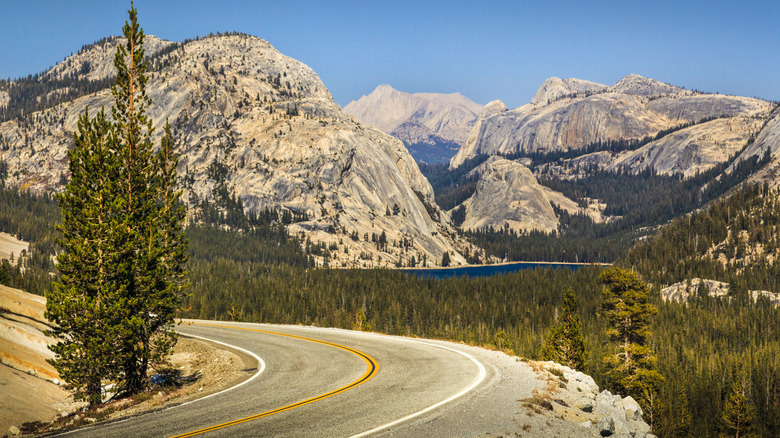
"Yosemite Valley may have all the fame, but my favorite part of the park is Tioga Road, a high elevation mountain pass with stunning alpine lakes ... and wildlife sightings, especially around Tuolumne Meadows," shared former ranger McKenna Brogan on One More Step Travels. If you have more than one day day in the park, make this one of the areas you spend at least a day exploring. The scenic route is a 47-mile scenic journey through the Sierras, part of California Highway 120 that ultimately stretches between Interstate 5 in the San Joaquin Valley to the west and the intersection of U.S. 395 near Mono Lake. Stop for a picnic at Yosemite Creek Picnic Area, view Yosemite Valley from east at Olmsted Point, and swim or paddle in the crystal-clear Tenaya Lake.
One of the most well-known spots along Tioga Road is Tuolumne Meadows, where you'll find a visitor center, a wilderness center for permits and backcountry information, and Parsons Memorial Lodge, where Muir first discussed the idea of Yosemite Valley being protected as a national park. It's a stunning place to hike, picnic, and spot wildlife. Brogan added, "Tioga Road acts as a starting point to some of the best wilderness hikes in Yosemite," including day hikes along the Pacific Crest Trail and the John Muir Trail, which both head through Tuolumne Meadows.
Stay off the meadows and on the trails
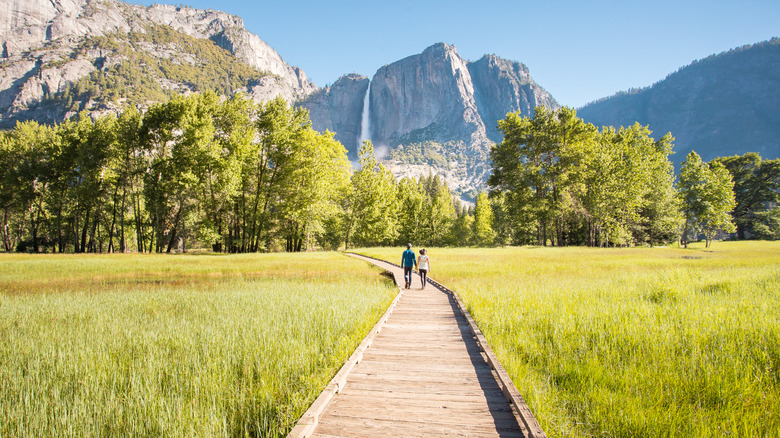
Yosemite's meadows are as much the star of the show as its soaring granite peaks and waterfalls. The park has nearly 3,000 meadows, or what the National Park Service describes as highly diverse habitat "islands," which can be found throughout the park. Needless to say, they're worth protecting, and they're a marvel to explore on foot via marked paths and boardwalks. The 1-mile Cook's Meadow Loop offers sweeping views with open skies and waterfalls, and the Cathedral Lakes Trail is a 9.6-mile route replete with meadows, two crystal-clear lakes, and mountain scenery. There are some important things to keep in mind, though.
In an official NPS video, rangers Connie and Mirella explained how to traverse this rarefied place. "When we explore Yosemite, we want to make sure we leave no trace of our visit. One of the easiest and most important ways to do this is by watching where we walk and where we stop," Mirella said. Trails, boardwalks, and bridges are also designed to give visitors great up-close views of trees, Indigenous sites, and wildlife, but it's important to stay on them. "Our meadows are our most diverse ecosystem, but also the most delicate and vulnerable," Connie added. "Just a few steps off the trail during the short growing season can harm or even kill rare plants, endangered toads and frogs, and ground-nesting birds."
See sequoias in the Crane Flat area if you're short on time
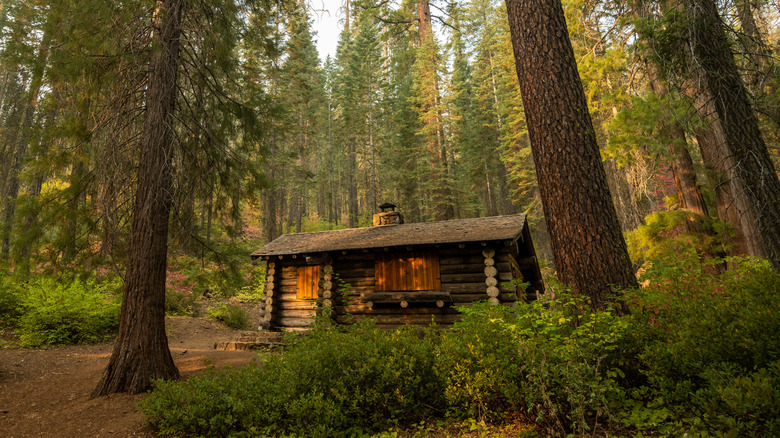
Only found naturally in the western slope of California's Sierra Nevada Mountains, giant sequoias are the biggest of the three types of redwood tree, making them the most colossal living beings on Earth. Yosemite protects hundreds of mature sequoias, most of which are found in Mariposa Grove, where there are more than 500. A little extra time and planning is required to reach the area from Yosemite Valley, though. If it's your first visit to the park and time is limited, don't worry! You can still see sequoias by heading to the Crane Flat area.
Crane Flat has a campground and a gas station ideal for filling up before heading up to the more remote and quiet Hetch Hetchy. "There are also two smaller sequoia groves in the area, which can be a good alternative to Mariposa Grove if you won't have time to make it that far south," said McKenna Brogan on One More Step Travels. There's the Merced Grove, which has about two dozen mature trees and can be reached on a 3-mile round-trip hike. And Tuolumne, an underrated grove of giant trees with scenic and peaceful vibes, also has about two dozen trees and can be reached via a 2-mile round-trip hike. Both of these groves are accessed by heading down about 500 feet in elevation, so be prepared for the uphill stretch on the way back.
Pay attention to water safety
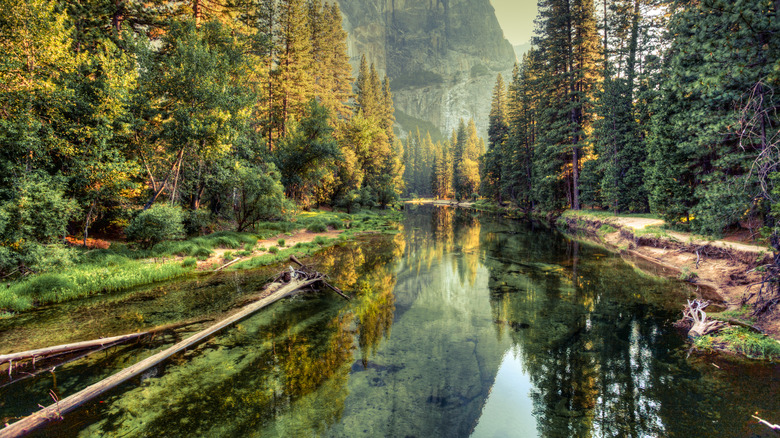
Every year, more than a dozen search and rescue missions in Yosemite National Park are spurred by water-related accidents, which also account for the park's second most-common cause of death after falling. That may not be surprising considering the park's mountainous terrain and global fame as a mountaineering hotspot. It also so happens that Yosemite has the most missing persons of any national park in the U.S. As of this writing, there are 10 outstanding cold cases. But while we're focused on sheer drops and steep, exposed trails, it may be easy to forget the dangers of the park's rivers and lakes.
"It's deceiving," says search and rescue ranger Rob Lewis in an official NPS video on YouTube about the park's wild river waters. "Its coldness is deceiving, its strength is deceiving, and the things it hides from you is deceiving. When whitewater is really violent, it's aerated. There's so much air in the water, you can't float in that; you're not going to swim through that. It's beautiful to look at, but it's deadly." Cold shock, a biological response to hitting very cold water that results in involuntary inhalation, can increase the chance of drowning, especially if you're already underwater. Watch where you step, adhere to guidelines — "No Swimming" signs are posted in some places for a reason — and wear appropriate lifesaving gear if you're out on the water in a kayak, for example.
Stow your food properly to protect from bears
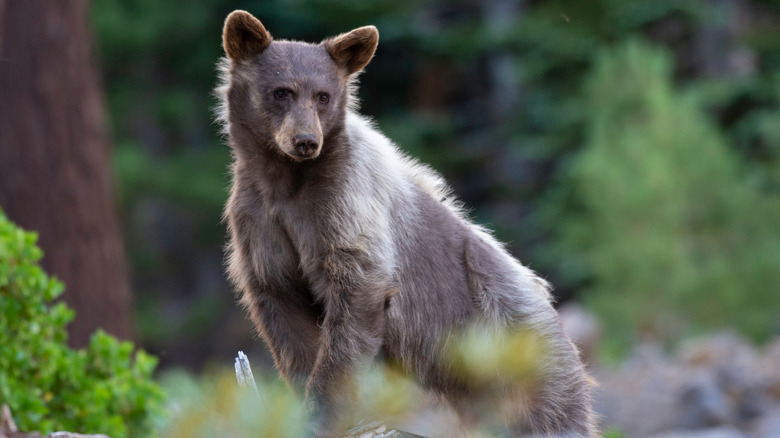
It's been more than 100 years since grizzly bears were last spotted in California after being hunted to extinction there (however, the mammal still takes pride of place on the state flag). Instead, you'll find only the American black bear, which is smaller than a grizzly with shorter claws and bigger ears. In spite of its name, though, it's often brown rather than black. There are hundreds of bears throughout the park, so it's likely you'll see one. Thankfully, you won't need bear spray — it's considered a weapon in California and could even get you banned if you use it — but you'll still want to practice a lot of caution around these beautiful creatures.
"The most important thing visitors can do is proper food storage. When people are in their campground, we provide a bear locker," Scott Gediman said in a YouTube video posted by FlyingDawnMarie. That means anything with a scent, such as deodorant, shampoo, sunscreen, and lotion, should be sealed and stowed in the locker. The reason for this is that bears are attracted to smells and will scavenge for items it believes will make a good snack. If they begin to associate humans and campgrounds as food sources, the danger to both visitors and the bears increases. The park recommends storing your food in the locker at night especially. Bears have an exceptional sense of smell, and if they get a whiff of something in your car, they've been known to claw open doors with phenomenal force to break in.
Get all of the food and supplies you need before arriving
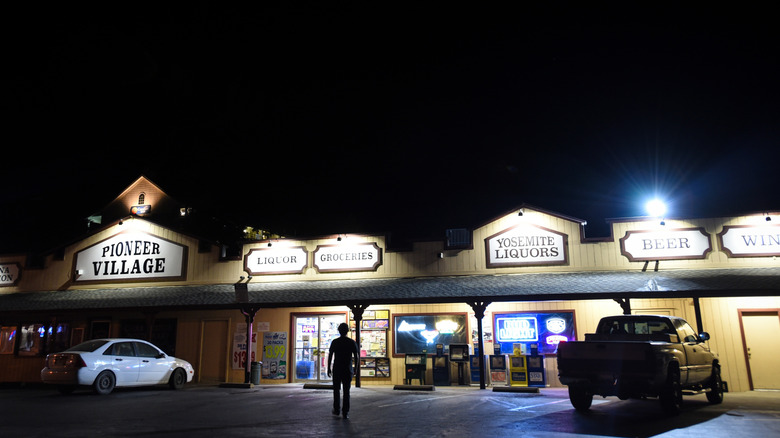
Unlike some national parks that have very close-by gateway towns, Yosemite's main attractions are quite a ways away from any substantial communities. On Reddit, one former ranger's gripe came in the form of the distance required to find a decently-sized supermarket. "Groceries are an hour-plus away so make sure you pick up everything you need when you go," they said.
In Yosemite Valley, the park's hospitality concessionaire runs a small market called the Village Store, which is located next to the Yosemite Valley Welcome Center. Here, you'll find an essential selection of groceries along with plenty of other essential items and souvenirs. Prices are often higher at in-park stores, so they're convenient for forgotten items or if you run out of ketchup, but to save time and money, stock up before you head to the park in the first place. In the town of Mariposa, you'll find the Pioneer Market, which is 45 miles from the Mariposa Grove Welcome Plaza or about 75 miles from the Yosemite Valley Welcome Center. In Oakhurst, which is much closer to the Mariposa Grove/Wawona area, options include Vons, Raley's, and Grocery Outlet.
Don't discount winter, even for camping
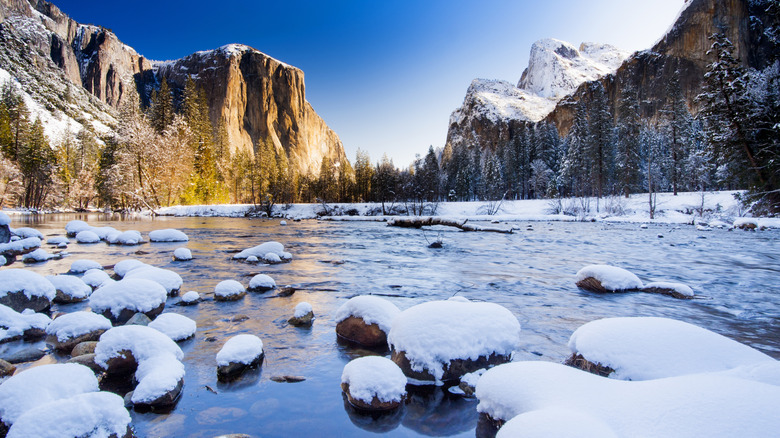
It can be extremely difficult to find campsites in summer, especially on the weekends, because they're usually booked months in advance. All of the campgrounds are on a reservation system via Recreation.gov between April and November, although each campground has its own opening times based on when it's accessible. Lower Pines Campground in Yosemite Valley is open from late April to mid-October, for example, but the higher-elevation White Wolf Campground is only open from mid-July to mid-September. That said, of the park's 13 campgrounds, you'll find four that are located at lower elevations and open in the late fall, winter, and early spring on a first-come, first-served (FCFS) basis.
Upper Pines Campground has the most campsites in Yosemite Valley, and it's open all year (but you always need a reservation). The others are Camp 4, Wawona, and Hodgdon Meadow Campgrounds, which are all FCFS during the off-season. In a YouTube video for Yosemite, ranger Maria Ortiz said, "To get a first-come, first-served campsite, you need to show in the morning at the campground you want to stay in." Even in the winter, these sites can fill up on the weekends, so arriving as early as you can will ensure the best chance. Ortiz added, "You can call our campground status line anytime to get a current update of campsite availability."
Bring your bike to beat the traffic
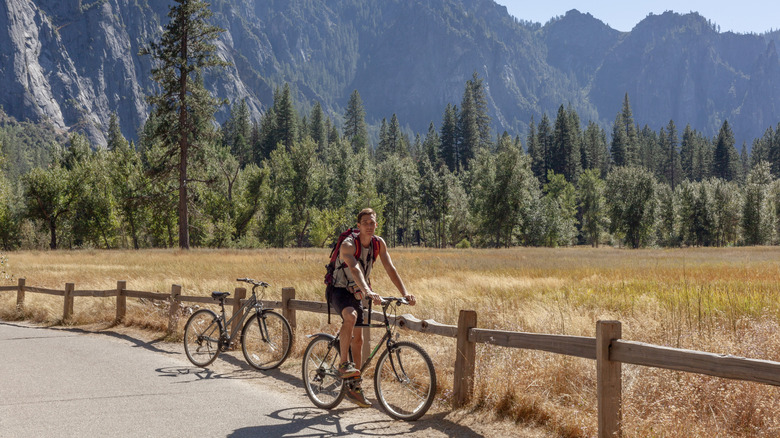
Hiking in Yosemite Valley can feel like it has two settings: flat and easy or steep and difficult. "Keep in mind that the glacially-carved Yosemite Valley is wide and flat with steep granite walls," said ranger Vickie Mates in an official NPS video about how to find moderate hikes. The best part about a broad, flat valley, though? A lot of accessible bike rides, too. There are more than 12 miles of paved bike trails in the park, although seasoned cyclists should be aware that there's a 15 mph limit for everyone's safety. Rent a bike in Curry Village, take advantage of the summer bike share program for trips up to two hours long, or bring your own.
Cycling on the road is a great way to beat some of the traffic backups that can happen during peak times, particularly in Yosemite Valley. "I lived in Mather but brought my bike with me whenever I'd go to the Valley," shared a former ranger on Reddit. "It made loop trails much easier cause you can drop your bike off at the end of a long trail and park your car at the head. Plus there are lots of great bike paths to ride around!"
Hop aboard shuttles and buses to get to trailheads
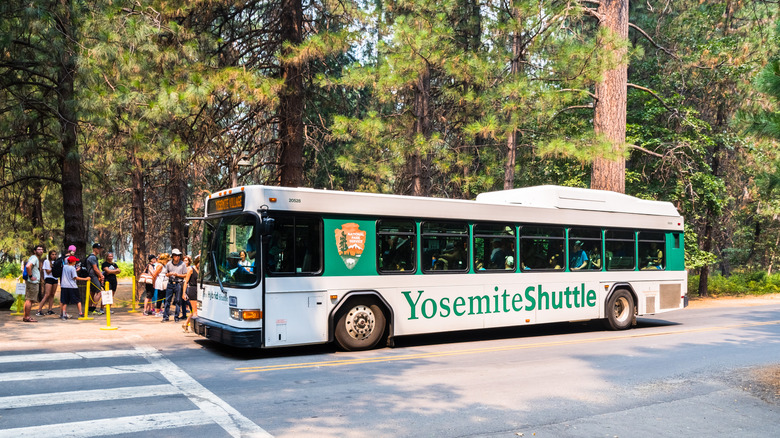
Within the park, the free shuttle system is convenient and frequent, with two routes in Yosemite Valley: the Valleywide Shuttle and the East Valley Shuttle. The names say it all, as the former serves the entire valley, and the latter primarily serves the busy Curry Village and welcome center area. You'll also find a free park shuttle from the Mariposa Grove Welcome Plaza to Mariposa Grove, plus a Tuolumne Meadows Area Shuttle. "No reservations are required," said McKenna Brogan on One More Step Travels. "The newsletter you get at the entrance should have the shuttle schedule on it." The newsletter she's referring to is the Yosemite Guide, which contains a wealth of practical information and official guidelines.
For easy access to Tuolumne Meadows from Yosemite Valley, the park's concessionaire, Yosemite Hospitality, also runs the Meadows Hikers Bus. And additional guided tours, like one to Glacier Point, provide a popular one-way journey for hikers hop off and hike back down into the valley. Yosemite Hospitality's trips' fees vary depending on the offering, and tickets can be purchased online. Independent of the park, YARTS also offers a bus route all the way through Yosemite along Highway 120 to U.S. Route 395 and beyond.
Slow down for wildlife
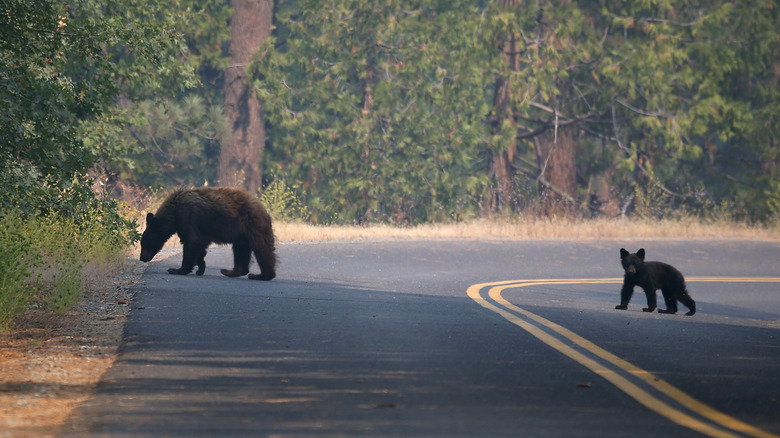
There's an incredible wealth of wildlife in Yosemite National Park, including rare animals that tourists would be lucky to see. Their home is the park, and they move around it just like we do, which means they're often on the same trails and roads as us. "The most important thing that a visitor can do is slow down," said Scott Gediman on a YouTube video by FlyingDawnMarie. "Unfortunately, we have between 15 and 20 bears hit by cars every year."
The roads are narrow, two-lane, and curvy throughout Yosemite. Of course, with the amount of traffic there is throughout the region, accidents do happen. If you're going too fast around a bend, you may not see a bear in time. They can also pop out from the trees with little warning, surprising both of you. Follow the posted speed limits throughout the park, avoid distractions, and allow wildlife to safely pass.