
11 Rules You Should Know Before Visiting Spain
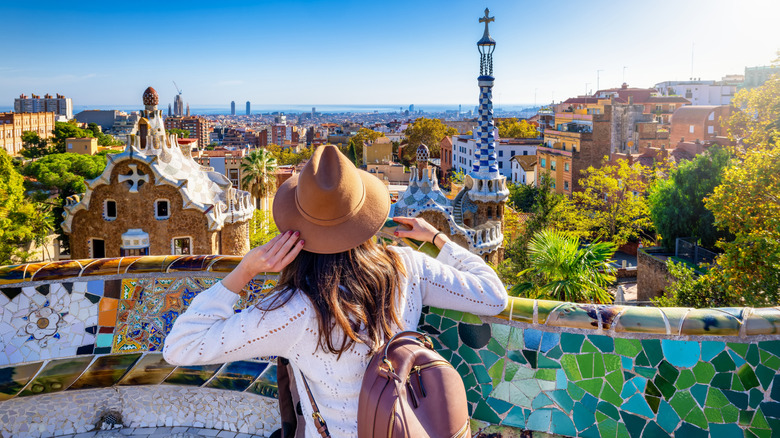
With over 97 million people jetting off to spend their holiday there in 2025 (according to ETIAS), Spain is easily one of Europe's most popular destinations. If you're one of those lucky travelers, there are a few unspoken rules you should know about Spain before a trip. The country is incredibly warm and welcoming, but you still need to keep certain things in mind to be a good visitor, many of which you may never have considered.
The Islands team wanted to learn more about some of these guidelines for spending time in Spain. This includes the slightly more ambiguous cultural norms and local hacks for getting the most out of your visit, as well as the stricter guidelines that are pretty much required for visiting the country and its attractions. To do this, we sought insights from both locals and recent visitors on Reddit who shared their first-hand experiences with unwritten rules in Spain and tips for following them. We also conducted deeper research on government pages and official attraction websites to learn about more rigid regulations. To top it all off, this travel writer drew on her own expertise as someone who has spent a considerable amount of time in Spain over the years. Let's get into it.
Understand the visa and entry requirements
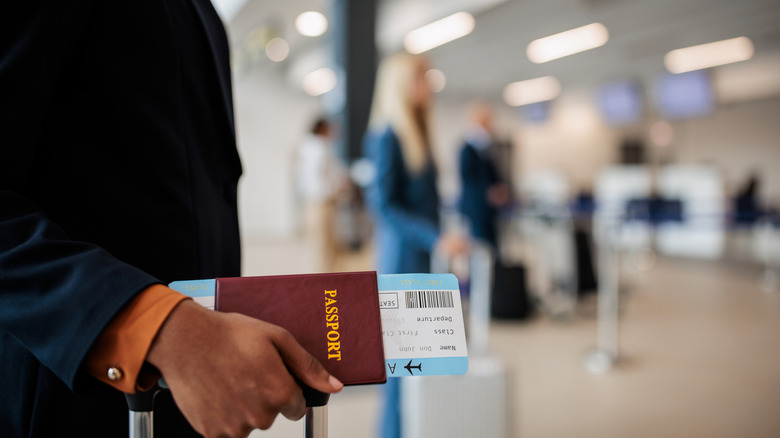
None of the other rules on this list will matter at all if you aren't allowed to enter Spain in the first place. That's why one of the primary rules you should be concerned about is the visa and entry requirements. EU citizens can spend as much time in Spain as they wish, but the rules are a little different for Americans and others outside the European Union. Luckily, it's still pretty simple to understand, and you don't actually need to apply for a visa to visit Spain if you're from the United States.
Spain is a member country of the Schengen Area, the European Union's passport-free travel zone. This means that Americans do not need a visa as long as they're staying fewer than 90 days within a 180-day period and have a passport that is valid for at least 3 months after departure. That extra contingency is to make sure you don't end up in a situation where your passport expires while you're abroad.
Keep these rules in mind when planning your vacation, and definitely don't stay any longer than you're allowed. Failing to do so can result in a variety of frightening consequences, depending on your country of origin. In Spain, you could be fined anywhere from €500 to €100,000 for overstaying your visa, and even be banned from entering the country again in serious instances.
Learn a few important Spanish phrases
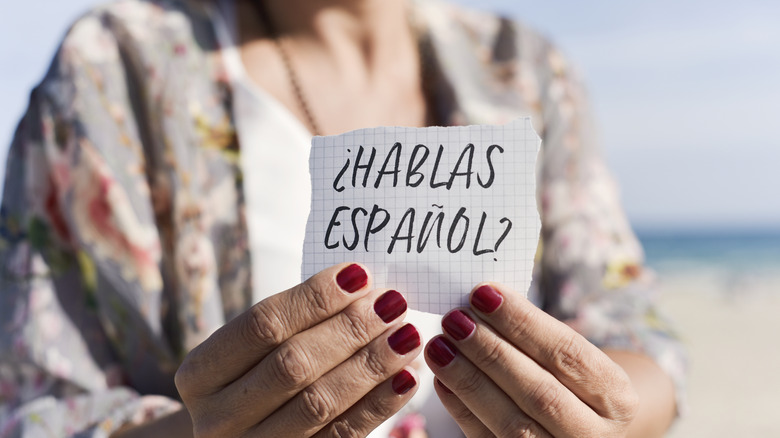
While a large chunk of the Spanish population speaks English (approximately 24.6% of residents according to the Instituto Nacional de Estadística), Spanish is still the most common language spoken across the country. Taking the time to learn at least a few bits of the language demonstrates an enormous level of respect as a visitor, and it can also make your entire trip much more enjoyable.
While you're bound to run into English speakers in major cities like Barcelona or Madrid (particularly among younger generations), there may still be times when you need to communicate something very important quickly. During my time in Spain, some of the phrases I used the most often were simple, everyday things like "Hola" (hello), "Disculpe" (sorry/excuse me), "Dónde está el baño?" (Where is the bathroom?), and "un café para tomar aquí, por favor" (one coffee for here, please!). Simplicity is key.
Homeschool Spanish Academy suggests learning Spanish phrases for the kinds of situations you may encounter and places you will likely be during your trip, such as at the airport, ordering at a restaurant, or requesting help if you find yourself in a spot of bother. While that can all sound fairly intimidating, you don't have to become completely fluent in Spanish just before your vacation. As one traveler said in r/CaminoDeSantiago, "Don't stress about speaking perfectly. Half my conversations were a mix of broken Spanish, gestures, and Google Translate, and it worked just fine." When it comes to this rule, making a genuine effort is the most important thing.
Dress to impress
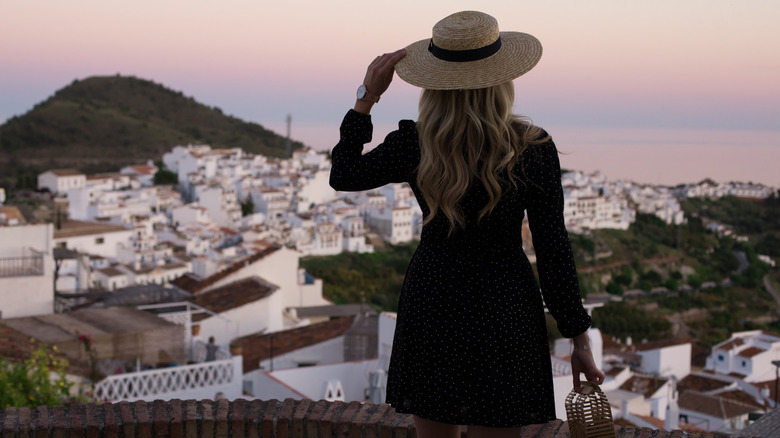
One person put it very bluntly in the Reddit group r/askspain when they wrote, "Spaniards generally dress well. All the time." As someone who has traveled from Seville and Málaga to Madrid and Barcelona, I can say there is a certain level of style across the country, and falling below it can make you stand out as a tourist. If you're someone who prefers to avoid standing out from the crowd, make sure you pack your bag with attire that is a tad more upscale to match the ever-present air of fashionability. And, of course, you get to look good in the process.
Certain destinations in Spain take apparel so seriously that you can actually be fined for wearing the wrong stuff. For 15 years now, visitors to Barcelona have faced the risk of being hit with a fine for wearing swimwear in public, away from the beach. While dressing nicely is part of the vibe in Spain, another thing to keep in mind is that many attractions require more modest attire for entry. For instance, the iconic Sagrada Família doesn't allow entry to visitors wearing bathing suits, sheer clothing, or shorts or skirts above the mid-thigh.
Trying the local food is a must
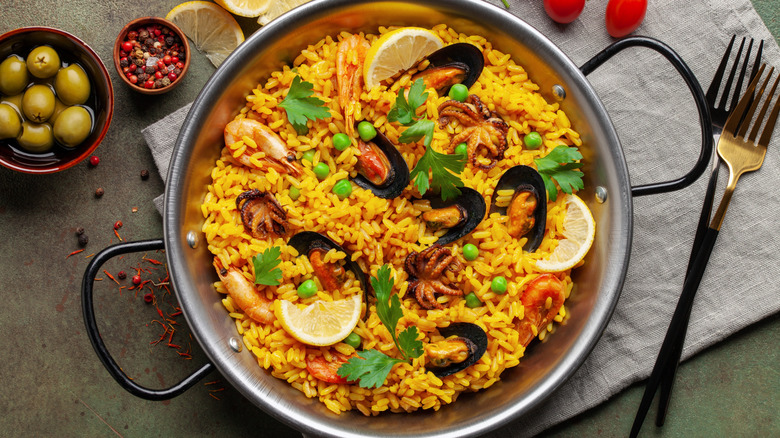
Spain can't necessarily be considered one of Europe's best underrated foodie destinations; it is no secret just how amazing the food is here. From paella and churros to sangria and tapas, there are endless Spanish culinary specialties to taste, to the point where it's basically a requirement on any trip to the country. One individual in r/askspain said that "if you're planning to eat local food i suggest you 'menu del dia' (daily menu), it goes from €10 to €25 depending on the menu, you have two dishes dessert or coffee and drink, go outside the tourist places and find a restaurant that offers menu del dia, its local food and good price."
Make sure to check out the regional specialties where you're staying, since the trademark dishes vary from province to province. As a crème brûlée lover, I was completely obsessed with the Crema Catalana in Barcelona. Arròs negre (sometimes mistaken for black paella) from this region is also amazing. If those reasons aren't solid enough to plan your culinary itinerary carefully when visiting this beautiful country, consider the fact that Spain is also home to some of the best restaurants on the planet (according to the World's 50 Best), including Diverxo in Madrid at spot number four.
Be careful of pickpockets and scams near tourist hubs

While Spain's status as a top-tier travel destination is undeniable, there are also less savory sides to its popularity. For example, the country has a reputation for a high level of pickpocketing, and this impression isn't entirely unfounded. According to a 2024 study by QuoteZone, there are 111 mentions of pickpocketing per every million reviews of Spain on travel websites. That sounds scary, but these types of opportunistic crimes are mainly concentrated in major tourism zones, and it certainly doesn't make Spain a dangerous European destination you should avoid visiting.
One person explained it well in r/askspain, saying, "You're unlikely to get pickpocketed in most of Spain, but chances are high if you're in the Ramblas of Barcelona or in a crowded metro station in central Madrid (and still 'high' is relative to your own street-smarts)." The best way to defend yourself against this type of petty crime is to be acutely aware of your surroundings, including the people around you, and to keep your bag closed and in front of your body when moving through busy areas. There are also a handful of common travel scams to know about before your vacation, like rigged street games that ensure you lose every time and taxis up-charging fares to tourists.
Public transportation is the best way to get around
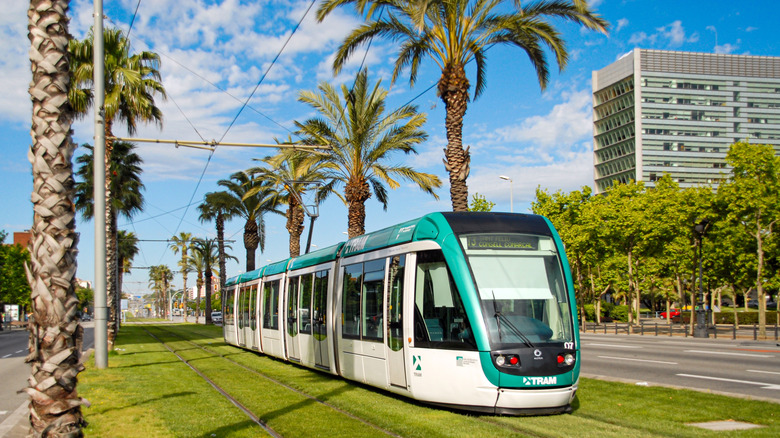
If you want to make your trip to Spain as efficient as possible, the golden rule is to follow the locals' lead. That means becoming familiar with the public transportation system so you can get everywhere you need to go without breaking the bank. Spain is a huge country (the fourth-largest in Europe by area), and getting around on a trip with limited time can feel daunting. However, you can see almost everything by riding trains, trams, and buses.
Follow the words of one visitor, who wrote in r/EuropeTravel, "We spent two months in Spain in 2023 and exclusively used public transportation." As someone who has spent a lot of time in various destinations across the continent, I found major Spanish metro hubs like Barcelona and Madrid to have some of the best public transportation in Europe. Whether I was taking a day trip or simply getting between neighborhoods, riding public transit in Spain was both simple and cheap. However, if you are traveling between cities by train, it is always wise to book your ticket in advance, as trains regularly sell out.
Always say hello and goodbye when entering and exiting shops
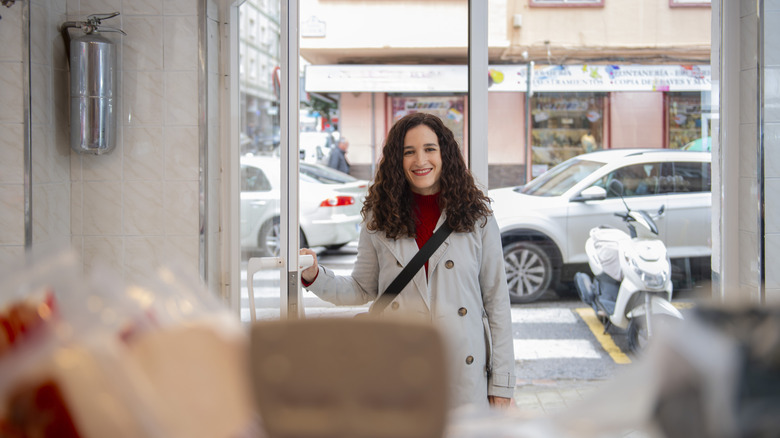
Greeting people when you enter an establishment isn't uncommon in the United States, but it isn't expected or considered rude if you don't. On the other hand, it's definitely customary to acknowledge the people working when you enter a shop or cafe in Spain. One person who recently returned from a trip to the country shared on r/Barcelona that their hotel concierge recommended the greetings "Bon dia" or "Buenas días" to fit in with local life, both of which are variations of good morning. This is a must when you walk into restaurants or stores around Spain.
Don't be surprised to receive more greetings from strangers when you're wandering around, and feel free to reciprocate the friendliness. It is seen as a polite courtesy to acknowledge other people around you in this way. In my experience, simply extending this small consideration will exponentially improve your experience in Spain.
Be prepared to eat meals late in the evening
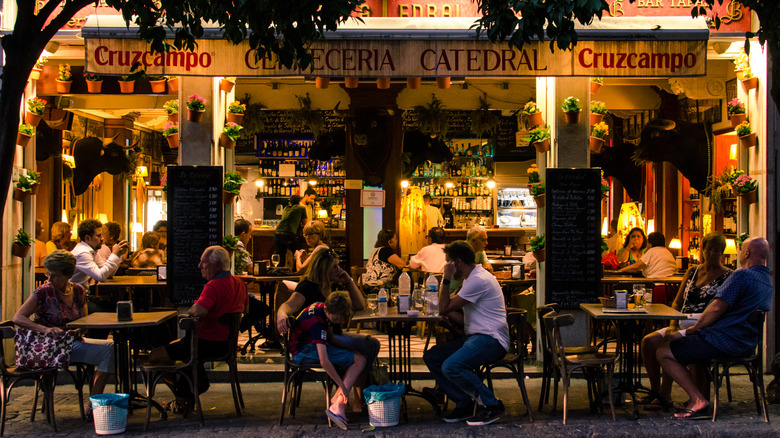
Many people don't pay much attention to what time they eat dinner until they are visiting a place that runs on a completely different schedule. A FlowingData study using data from the American Time Use Survey found that the average American eats dinner from roughly 5 p.m. to 8 p.m. every night. Even at the latter end of that scale, those hours won't work when you're traveling in Spain. According to Walks Tours, the Spanish standard starts an hour later, at 9 p.m., and extends all the way until 11 p.m. Yes, one hour before midnight.
For visitors, this might feel very late in the evening to be grabbing a table at a restaurant, but there are some rational reasons for this major cultural difference. One local explained the thinking in r/askspain, saying "you have to take in account that unlike many places in the world our biggest meal is lunch. We eat small and light dinners." When planning your days in Spain, keep in mind that restaurants tend to serve later, and adjust your routine accordingly.
Many places close on Sundays and for afternoon siestas
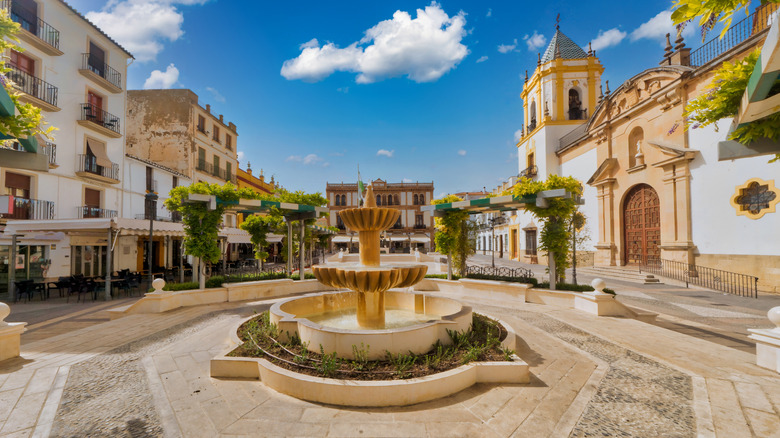
When planning your itinerary in Spain, keep in mind that service may not be available around the clock. This is because most of the country observes a period known as the "siesta," which can affect your summer vacation daily from around 2 p.m. to 5 p.m. (according to Estudia Espana), since many businesses close for those few hours. Many cities can feel like ghost towns during these hours, but there's something pleasant and peaceful about the custom as well.
A local described the thinking behind siesta time in r/GoingToSpain, writing "in some regions, some businesses, normally shops in small towns, usually close at lunch in order to go home, eat healthier and happier with your family, and then go back to work." Another person in the same Reddit thread further explained that this tradition originated because "during the hottest hours it is impossible to work outdoors in many areas of Spain." It's also very normal for establishments to shut down completely on Sundays for religious and cultural reasons, or simply to even out work-life balance. So, be certain to double-check every restaurant and attraction's opening hours if you want to visit on a Sunday or during siesta time.
Buy tickets online in advance for major attractions
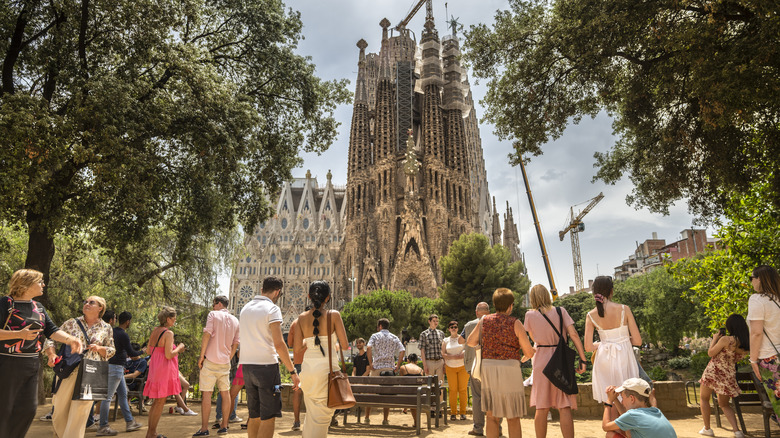
Spain is home to some of the most famous tourist attractions in the entire world, and seeing these wonders is undoubtedly one of the most exciting aspects of visiting the country. However, that almost guarantees crowds. La Sagrada Família in Barcelona is a perfect example of this phenomenon, receiving over 4.8 million visitors in 2025. Make no mistake about it; Spain isn't the place to visit in Europe if you want to avoid big tourist crowds. With so many people eager to check out the same sites (often around the same time of year), it helps to be better prepared than in other destinations.
To avoid missing out, buying tickets in advance is the way to go. Luckily, the biggest attractions in Spain make this very easy to do, and you can typically book all your tickets online. The first time I visited Barcelona, I failed to follow this unspoken rule and got turned away from Sagrada Familia because the tickets had already sold out by the time I arrived in mid-afternoon. With a little more forethought, I would've checked the official website and discovered that I could've booked my tickets up to two months in advance (and that they can sell out up to a week in advance during the high season). To be safe, it's best to check ticket availability for every specific attraction you want to visit during your trip. As one person said in r/EuropeTravel, "Just went to Madrid: Prado museum was sold out one week in advance. Royal palace: You could buy tickets on location but the line was really long, if you already had tickets the line was short."
Learn to appreciate the slower pace of life
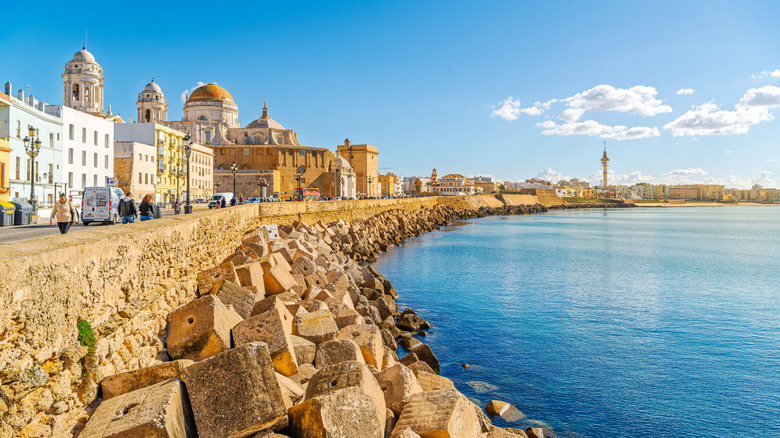
Many Americans can experience culture shock when visiting European countries because there are so many subtle nuances to the lifestyle that can feel dramatically different from what they're used to across the ocean. In Spain, one of the most ambiguous (yet palpable) undercurrents is the overall laidback way of life. This aspect of Spanish culture can be felt in all sorts of ways, even as a visitor.
For instance, there's a local tradition called "sobremesa" that refers to relaxing and hanging out to chat after a meal. Unlike in American restaurants, where you may feel rushed out the door the second you finish your final morsel of food, dining establishments in Spain never rush. Tourists may notice this reality when they sit down for a meal and realize the servers typically won't bring the check to the table until they ask.
During one of my first dinners in Spain, I spent at least an hour hopelessly waiting for the check to be dropped. Someone broke down the mentality in r/askspain: "Yep, it's cultural. The expectation in Spain is that you will linger after dinner, order a coffee or just stay to chat. As a result most places won't hurry you out once the main event is over. " Beyond letting waitstaff know when you've finished your meal, this sort of laissez-faire demeanor is something you should likely expect and learn to appreciate throughout your trip to Spain. After all, travel is to be savored, right?