
10 Destinations Where You Should Never Drink The Tap Water
Few things can ruin a vacation more than coming down with the trots. The perils are manifest. From diseases every traveler should know about before taking a Caribbean vacation, to vaccine recommendations, all the way through to GTI outbreaks on cruise ships, staying well is all about taking precautions and staying informed. The CDC has three levels of concern when it comes to safe drinking water: high risk, caution, and safe to drink. Only 50 countries were granted "safe" status by the organization. So, what gives?
There are several principal concerns at play here. The first thing to understand is that when you visit a foreign country, you are at risk of exposing yourself to unfamiliar pathogens. Watching locals down glasses of tap water to no ill effect is not a prediction of how your own body may react — tap water is often consumable by locals who have years of exposure to things in the water that could make a tourist ill. To compound matters, in certain places, aging infrastructure means that even where water is purified at the source, it can become contaminated en route. Contracting typhoid, cholera, and even hepatitis A from spoiled water or ice cubes is not unheard of. Throw into the mix the fact that in some countries, the water is more robustly treated, and that all those added chemicals can irritate stomachs unaccustomed to their presence.
Compiling a list, then, considering the sheer number of places with problematic tap water, is no easy task. So, first up, we've confined things to places with red or yellow warnings as per WaterWell's interactive map. We've also excluded places with level three travel advisory warnings and above and avoided countries where water infrastructure is so bad that drinking from a tap should be the least of your concerns. And, lastly, we've tried to select places where people like to go. We are all about travel, after all.
India
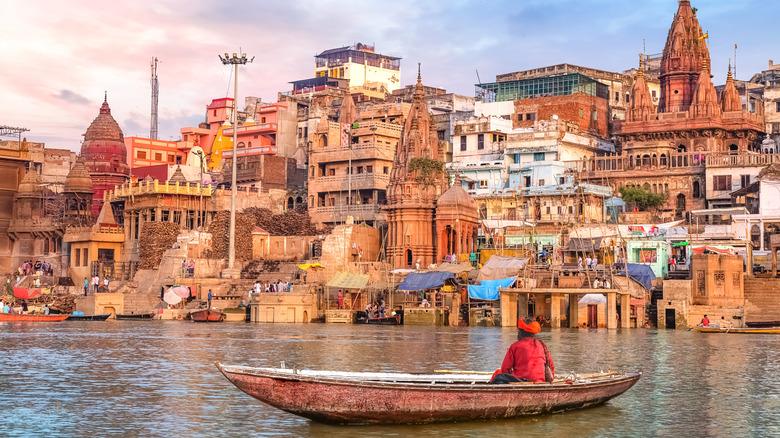
India truly is one of the most magical places on the planet, rich in history and culture, and home to unimpeachable cuisine. But for all its laudable qualities, India still struggles when it comes to safe drinking water. Indeed, it cannot be stressed strongly enough, for foreigners visiting India, that taps are the enemy and have no useful purpose.
The story is familiar, yes, but in India, pipes leak, water tanks congeal, and what comes out of the tap simply isn't up to snuff. According to experts in water filtration, Tap Water, the issues facing the Indian domestic water supply are manifest. Cholera, hookworm, and even rotavirus can be found across the domestic water supply. Even more alarming is the presence of arsenic in the groundwater, which, needless to say, can have both an acute and chronic deleterious effect on those who imbibe it.
None of which should put you off visiting the place. India is alive with bustling cities offering incredible value for tourists and digital nomads alike. It is home to one of the Seven Wonders of the Modern World, ancient rock architecture, and dramatic landscapes. Its north is a skiing enthusiast's paradise; its south is an oasis of rentable houseboats and potently spicy food. Yes, in some cities, the water is treated to modern international standards, but the rest of the infrastructure is far less robust. India, like so many emerging economies, will get there; they just need time. Stay safe, give them that space, and have fun.
Thailand
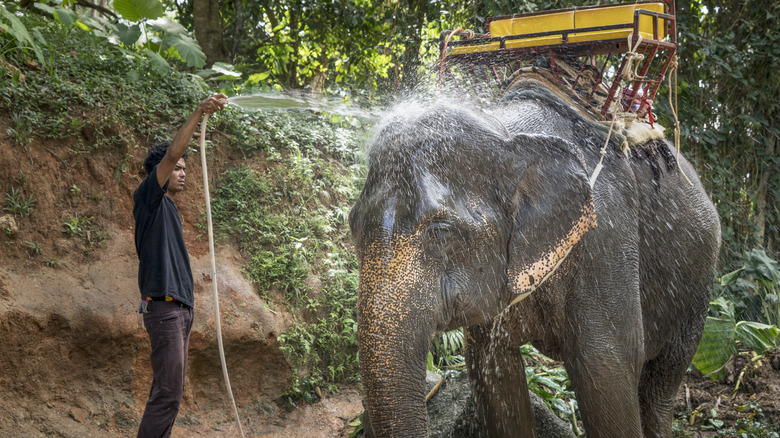
When it comes to anecdotes about how a momentary lapse of judgment derailed entire vacations, rinsing your toothbrush in a Bangkok hotel must be up there. To be clear, the water in Bangkok meets international standards, but Thailand is about much more than its capital city. There are tropical islands with secret sandy coves, vibrant coral reefs, and mountain views to explore. The north of the country is criminally underrated; the coast along the southern approach to Malaysia is to die for, and, as we already just discussed, you really don't want to wash your toothbrush in any of those places. And here's why.
As with many other places on this list, the actual water processing in Thailand is robust. The pipes, on the other hand, tend to let the team down. The usual suspects are present in a disturbing number of locales: E. coli, norovirus, Salmonella, et al. Giardiasis and cryptosporidium, two assiduously nasty little critters, also manage to rear their heads from time to time. Lastly, there is the near-inevitable reality for emerging nations of the presence of industrial waste and heavy metals in the groundwater.
So, there are risks, sure, but mitigation is simplicity itself. Bottled water is king; when not available, boiling is the next best thing, and LifeStraws and other hydration must-haves come in third. Once that reality is internalized, those aforementioned tropical islands represent a small fraction of what Thailand can offer. There are emerald temples to discover, a festival season that is up there with some of the global greats. Meanwhile, hiking holidays in the north are filled with mountains, rivers, and hidden adventures, and there are also ethical elephant sanctuaries and wildlife-rich national parks to explore. Oh, and Thai street food is quite possibly the best in the world.
Indonesia
Indonesia is a land of superlatives. It's the largest island nation in the world, the fourth most populous country, home to the highest number of active volcanoes, and the second most linguistically diverse place on the planet. It's also the second most biodiverse country after Brazil, and just so happens to be a wildly affordable place filled with thousands of idyllic tropical islands. So, you should go. Just don't drink the water. You knew that was coming.
For all the wonderful things Indonesia has to offer, it's still an emerging nation and does not yet meet international standards in some areas. Indeed, the water quality here is so poor that even Indonesians prefer to boil or filter tap water before using it. What's more, UNICEF figures offer a damming indictment of the state of water security across the nation. In 2017, they found that 67% of household water was infected with fecal matter. By 2026, that number had worsened slightly despite a government initiative to improve national sanitation.
So once again, be cautious, yes, put off, no. Indonesia's volcanic landscape is breathtaking, its ancient cultures are deeply fascinating, and its coast is picturesque and inviting. Here you'll find some of the best surfing and scuba diving spots on the planet. There's a national park dedicated to the Komodo dragon, the world's largest living lizard, Buddhist temples, and in certain corners, the chance for an encounter with a Sunda clouded leopard, one of the world's most elusive creatures. The food is also great; even the native Durian fruit, which is not for the faint-hearted, is something you should try at least once in your life — just don't rinse it off in tap water.
Turkey
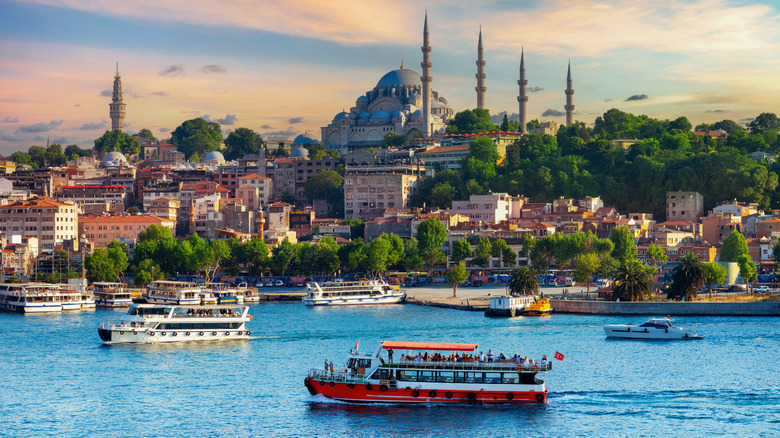
Turkey is one of the most beautiful and affordable countries in Europe, despite spanning two continents, acting as something of a gateway to Asia (in fact, most of the country is on the Asian side of the landmass). There is considerable variation in the quality of the tap water. It's an ancient place after all, and the water is best avoided.
The capital and several other major cities have access to advanced water treatment, but once again, the direct-to-consumer plumbing simply isn't up to scratch. And those traveling further afield down the turquoise coast with ancient cities and golden sands are likely to meet ever more not-fit-for-purpose amenities. The issues with the water, then, are entirely familiar by now. Industrial and agricultural chemicals sometimes find their way into the system. Ancient pipes add unwanted metals and sediment, and our old friends E. coli, Salmonella, and rotavirus find purchase, spread, and multiply.
Not that it's all doom and gloom. Turkey is the third most visited country in Europe, and people flock there to enjoy its beaches, history, engaging culture, and fine cuisine. It's a place of once-in-a-lifetime cruises — and yes, drinking from the shipboard water taps is perfectly safe — while back on dry land, you'll find a dizzying display of Roman, Byzantine, and Ottoman history. The Hagia Sofia is the equal of some of the Seven Wonders of the Modern World, hot air balloon rides over the Cappadocian mountains are as surreal as they are gorgeous, and the thermal pools at Pamukkale are so vividly blue that UNESCO decided they simply had to be a World Heritage Site. And that's before you even get to visit the capital. Everyone should visit Istanbul at least once in their life; they just should.
Brazil
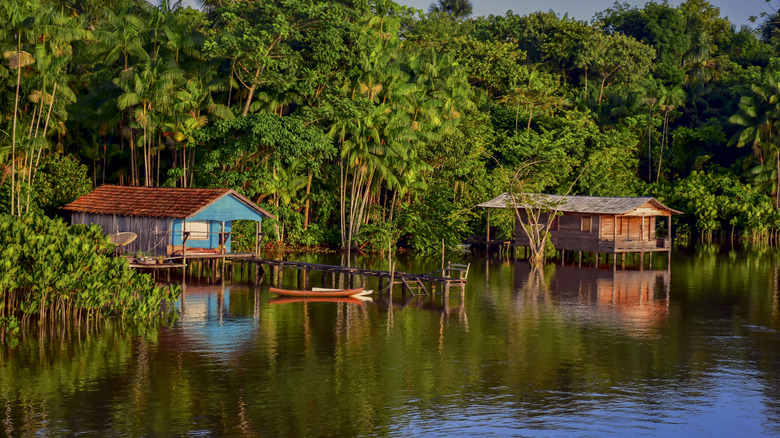
Brazil holds a massive share of the world's freshwater reserves, around 12% of the entire global supply, and its gorgeous waterways are just one reason why the country deserves a second look. Unfortunately, the nation still struggles with water quality; even freshwater supplies may be laden with harmful chemicals. Indeed, one of the things you really shouldn't do in a rainforest is drink the water.
The fact that a 2022 article in Environment International warned of widespread pesticide contamination in drinking water was just one incident in a list of problems that have plagued Brazil's water systems for decades. Such chemicals are known to be carcinogenic, but in addition, the entire Amazon basin has become contaminated with raw sewage and wastewater; both have contributed to the presence of pharmaceuticals in the supply. Urban areas have better access to running water, but even in major cities such as Rio De Janeiro and São Paulo, it's best to stay clear of anything other than bottled water.
Those who do so should be fine. Brazil is a wonderful place to visit, filled with incredible landmarks such as the Iguazú Falls, beachside vacations without peer, and a rich culinary history. Pro tip: the cheesy street food bread known as pão de queijo is almost offensively delicious and naturally gluten-free. You really should try one. The music scene is a delight — this is, after all, the birthplace of Samba, Bossa Nova, Forró, and Funk, and Brazil has a strong dance culture to match. Brazil has a reputation as an incredibly giving country, a reputation often described with the phrase "calor humano," or human warmth. The climate is fine and, on top of all that, Brazil is a surprisingly affordable location.
Egypt
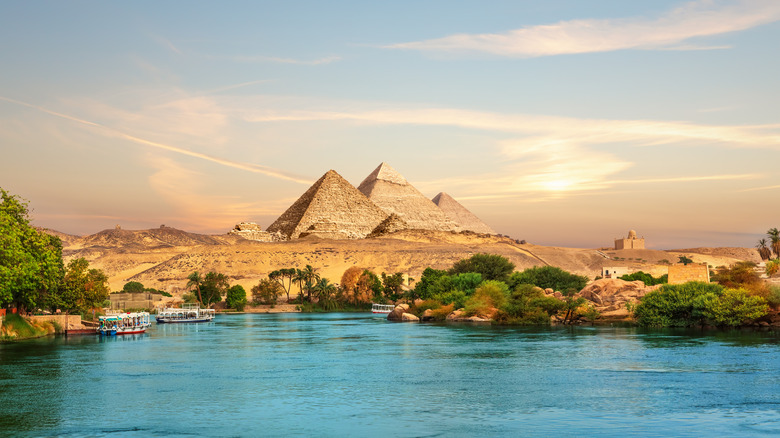
Egypt is a truly magical place. It is one of the oldest civilizations in the world, home to the last remaining Ancient Wonder of the World, and a land of tombs, forbidden valleys, and snow-white deserts. There are at least a dozen places that you should visit in Egypt once you've ticked off the pyramids, and a cruise down the Nile is one of the best ways to experience literal millennia of history that money can buy. Ah yes, the Nile; at over 4,000 miles in length, it was and remains the lifeblood of the Egyptian state. And it's still where most people get their water from. Spoiler alert: it's not safe to drink.
Once again, the water leaves the treatment center just fine, but by the time it has made its way through all those old pipes and aging infrastructure, it is a veritable time bomb of nastiness. And tourists have little immunity to the worst it can throw against them. Which is why Egypt has a red, high-risk warning. The prodigious use of rooftop water tanks in such a hot country does not help, creating something of a petri dish effect unless cleaned out on a regular basis. Take a sip, ask for ice in your drinks, or forget to keep your mouth closed in the shower, and you're looking at 24 to 48 hours of grace until the metaphorical fireworks begin.
You shouldn't even drink tap water on a cruise ship in Egypt. While it's normally safe to drink the tap water on cruise ships even in countries where you want to avoid it, Egypt is an exception. Because there's so much to see, wasting days of your vacation is a genuine crime. Egyptian hospitality is famously welcoming; the food is fantastic, and the bustling bazaars of Cairo – Khan el-Khalili is especially worthwhile — are every bit as exciting as you'd expect them to be.
South Africa
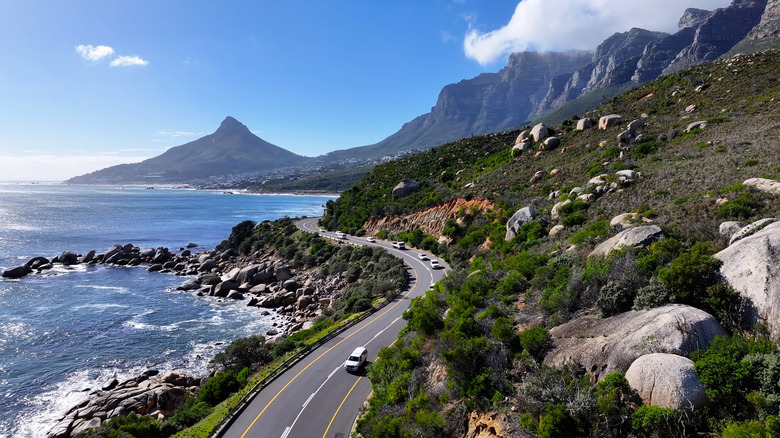
South Africa is a popular destination for tourists who flock to enjoy its fine coast and fascinating wildlife. Waterwise, however, things could be better. The two largest cities, Cape Town and Johannesburg, are considered tap-water-safe — at least in most areas. The water, however, is known to taste over-chlorinated and sometimes has a metallic tang, so filtration, for Johannesburg at least, is advised.
Elsewhere, the picture looks less rosy. In 2023, a South African government-sponsored report known as Blue Drop noted a decline in overall water quality over the preceding decade; close to half of all water systems were found to be compromised in some fashion. A further report in 2025 merely admitted that things had remained stable. Thanks to run-down equipment and the need for boreholes in more rural areas, issues including the presence of microplastics, heavy metals, pesticides, and all the usual suspects, including E. coli, may be present.
It all points to the need for caution but not overreaction. Cape Town is Africa's most travel-friendly city, and although crime is quite high, those who keep their wits about them should be just fine. But it is to the nation's hinterlands that many people look when planning a vacation. The eastern, so-called Wild Coast is a hub of on and offshore activities ranging from safari to whale watching and, of course, surfing. You can take a trip up the breathtaking Motlatse River Canyon, swigging bottled water all the way, try your hand at horse riding through the Golden Gate Highlands National Park, or simply kick back and enjoy some R&R at a local farm stay, vineyard, or olive grove lodge.
Mexico
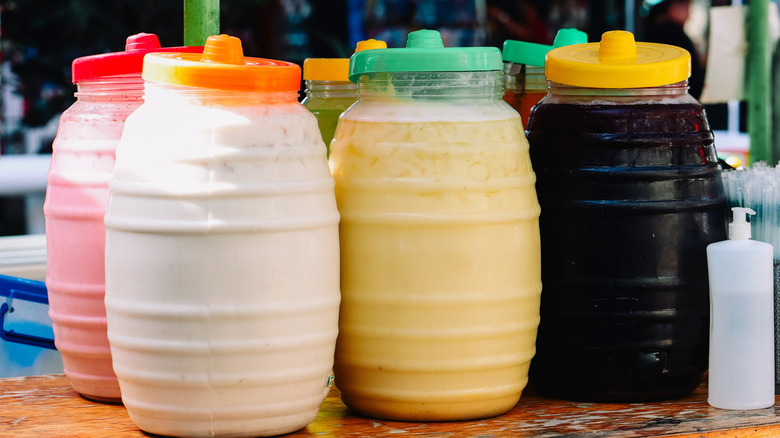
Mexico is known for its food, festivals, ancient temples, and anecdotally superior cola. Its south feels underexplored, its north, almost designed for picture-perfect vacations. Still, Mexico is an emerging market, and the CDC considers the tap water unsafe to drink.
There are mixed reports when it comes to how to stave off a vacation-ruining Mexican adventure. Yes, many hotels and restaurants use purified water to make ice, but that's often only true of places that cater to tourists. Step outside of that comfort zone, and you run the risk of entering a world of norovirus, Shigella, and Cryptosporidium. Which is not to mention unacceptably high levels of industrial chemicals and metals, also. Still, chances are you'll want to go off the beaten track.
Outside of the tourist-heavy locations (which is not to disparage them, you understand; there's nothing wrong with a trip to Cancun), you'll find undiscovered slices of Mexico's unique heritage. There is the sculpted garden of British poet Edward James to explore and the turquoise waterfalls of La Huasteca Potosina to navigate. Sleepy villages such as Xcalak lurk in the depths of Mexico's Caribbean coast, while ancient Mayan temples of Calakmul beckon. Meanwhile, the sheer beauty of the former colonial town of Campeche will take your breath away. It's lovingly well-preserved and surprisingly authentic. Indeed, the list of must-see places in Mexico is so convoluted that it's difficult to know whether to recommend underrated islands free of tourists or stick to lists of the safest destinations providing stress-free vacations. Regardless, it pays to be careful and, as a rule, it's best not to risk a swig of Mexican water unless you really have no other choice. Oh, and watch for raw vegetables in your tacos. Just saying,
China
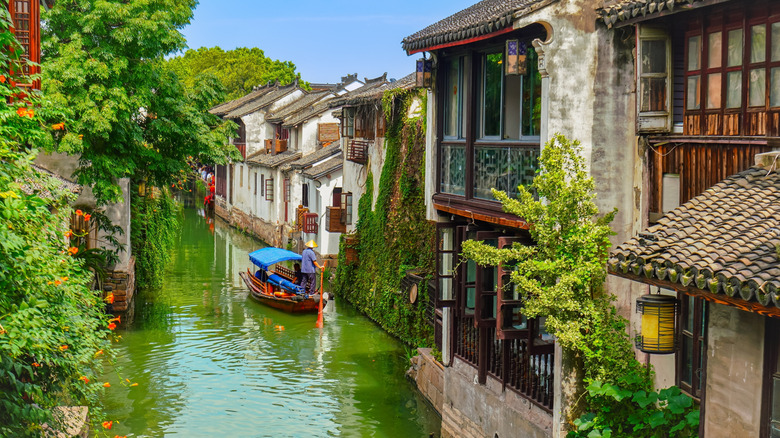
China is one of the richest countries in the world and a veritable marvel of charm, history, and incredible landscapes. But it is also a nation that has paid a price for the rapid growth it has undergone over the last few decades. The water is not drinkable, even within major cities.
It is kind of surprising that the tap water is not sterilized, but locals are accustomed to boiling their water before drinking it. And sure, it may seem like an unnecessary extra step to getting a glass of water, but then, China is an enormous country with an enormous population. Simply put, it needs yet more time to get its infrastructure up to spec.
Having to carry bottled water during your trip is, at any rate, a small price to pay for all you can potentially see and do. Once again, we have a Wonder of the World appear on this list: the Great Wall of China — which is most assuredly not visible from space — is well worth visiting, though it is not alone in being so. Beijing is filled with unmissable things to see, including, of course, the bucket-list worthy no longer Forbidden City. There are unreal landscapes to explore, such as in the Zhangjiajie National Forest, or the multi-tiered waterfalls of the Jiuzhaigou Valley National Park. Chinese cuisine is as excellent as it is highly regionalized, and budget-friendly to boot. Oh, and they have giant pandas. Seriously, you can go watch giant pandas frolicking in their natural habitat. They're super cute.