
Unwritten Rules You Should Know Before Visiting Tampa
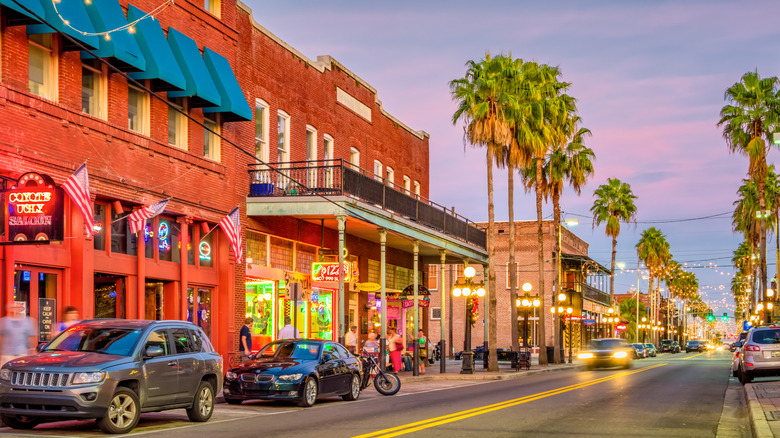
Tampa has plenty of the things you'd expect from a Florida destination: warm weather, waterfront views, and no shortage of opportunities to spend time outside. But after spending some time exploring the city, I found that some of the most interesting parts of Tampa are the things you might not know to look for. From its deep Cuban and immigrant history to its famously free-roaming Ybor City chickens and even a pirate-themed festival, Tampa has plenty of one-of-a-kind traits that aren't necessarily obvious to first-time visitors.
There are also a few things you'll want to know before you arrive, whether that means understanding why Tampa and Tampa Bay aren't interchangeable, or knowing where to find the region's famous Gulf Coast beaches. From respecting Ybor City's unusual residents to taking advantage of the city's free historic streetcar, these are the unwritten rules to keep in mind for your time in Tampa. I picked up some of these rules during a recent visit with Visit Tampa Bay and Hotel Haya, but I also turned to locals on Reddit, regional publications, and other sources to add additional insight and information.
Eat Cuban food and other local cuisine
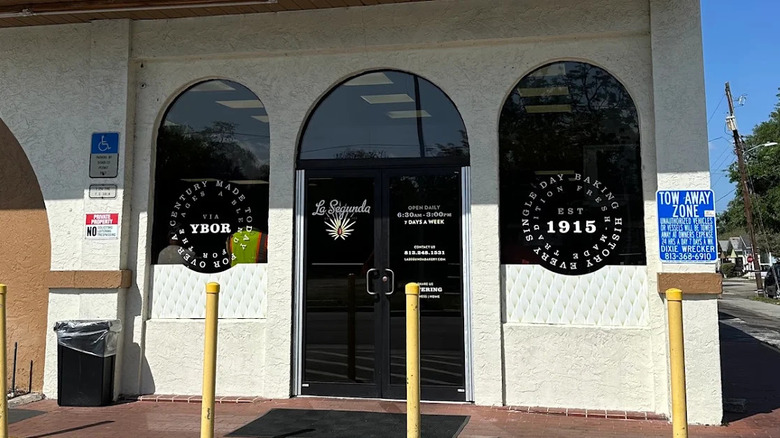
Cuban immigration played a major role in developing Tampa, and one of the best ways to explore that history is through food. Of Tampa's numerous local institutions, La Teresita is one staple that's been around since 1972, serving Cuban classics like bistec empanizado (breaded steak) and ham croquettes. One of Tampa's most notorious dishes is the Cubano. Although the sandwich's origins lie in Cuba, it has deep roots in both Tampa and Miami, and one of its best renditions can be found at La Segunda Bakery, which has been serving the famous sandwich since 1915.
Taking inspiration from the city's Italian immigrants, the Tampa-style Cuban adds salami to the traditional ingredients of roasted pork, ham, pickles, cheese, and mustard. A "true" Cuban doesn't have lettuce or tomato, nor does it have piles of meat like a hoagie, according to Tampa locals. But if you want a twist on the classic, head to West Tampa Sandwich Shop, which has been around since 1992. There, you can try the Honey Cuban, which is pressed with honey butter and has been nicknamed the "Obama sandwich," since the former president visited the hidden Florida gem in 2012.
Apart from Cuban cuisine, Tampa's Gulf Coast location means it's a prime spot for seafood, especially blue crab and grouper. One of Tampa's most iconic and unique local dishes is the devil crab (or deviled crab), made with blue crab and sofrito, which is a mix of sautéed onion, green peppers, garlic, tomatoes, and oregano, and then deep-fried in breadcrumbs. Allegedly created to be an economical meal during a cigar factory workers' strike in 1920s-era Tampa, the street food has had a lasting impact on Tampa's food scene.
Visit Columbia Restaurant — and get the salad
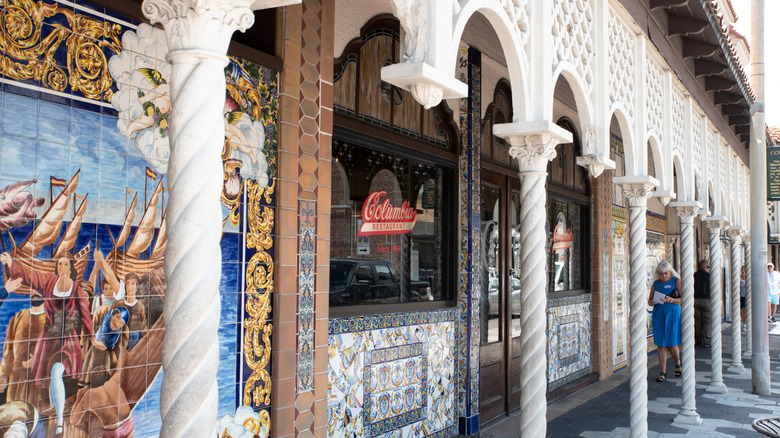
There are few restaurants quite as storied as Tampa's Columbia Restaurant. Since it was founded in 1905, the restaurant has grown to a handful of Florida locations (including one at Sand Key, Florida's barrier island resort), but if possible, pay a visit to its original location in Ybor City. Not only is it the oldest eatery in Florida, but it's also considered the world's largest Spanish restaurant, taking over an entire city block, with a capacity of 1,700 customers. The building itself is also beautiful, with 15 dining rooms filled with colorful tiles and art. If you can, reserve a table in the Siboney Room, where you can catch a flamenco show Monday through Saturday nights for a $10-per-person cover charge.
While its menu features a range of Spanish and Cuban dishes, one item you can't miss is the 1905 salad, first created in the 1940s by one of the restaurant's servers, Tony Noriega. The salad is made with lettuce, Romano and Swiss cheese, ham, olives, and Worcestershire sauce, among other ingredients, and topped with a garlicky olive oil and vinegar dressing. Its ingredients spotlight the many communities that formed Ybor City — Italian cheese, Cuban-style dressing, and local Florida produce — and over the years, it's become a Columbia hallmark, with hundreds of thousands of salads sold across its numerous locations each year. Prepared tableside, I can confirm it is a must-try.
Respect the Ybor City chickens
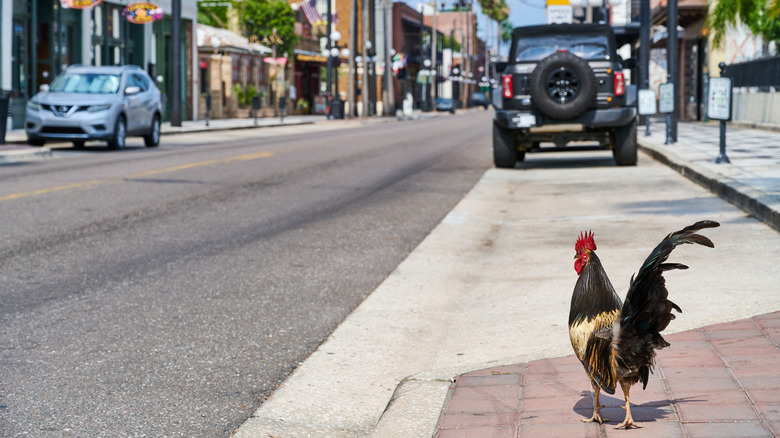
Ybor City is well worth visiting thanks to its "Cigar City" history, Cuban sandwiches, and cobbled streets. But it's also home to some eccentric residents — wild chickens, which date back to the neighborhood's founding. In the early days of Ybor City, particularly around the Great Depression, they served as a food source, but today, you'll see them roaming freely.
Although they've become a tourist attraction in their own right, and it's fine to photograph them from a distance (I recommend going to José Martí Park or Ybor City Museum State Park to get a good shot of them), you want to avoid feeding, touching, or otherwise interfering with them. It's not just an unwritten rule — they're protected thanks to a 1989 ordinance, meaning hunting, trapping, or molesting any birds is prohibited. In 2013, the volunteer-led Ybor Chickens Society was created to help care for sick or injured chickens, clean up public spaces affected by them, and raise awareness for the chickens' protection. If you want to get more up close and personal with Ybor's most unique occupants, Ybor Chickens Society hosts monthly chicken yoga sessions at Hotel Haya — classes cost $24.92, with proceeds directly supporting their care.
... and Tampa's native wildlife
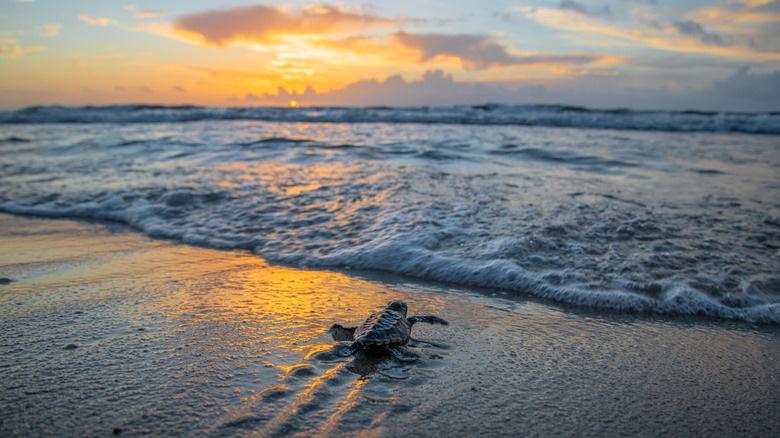
If you're looking to spot Florida wildlife in Tampa, you're in luck. But with that said, it's not just Ybor's famous chickens that you should respect. Tampa is home to several native species, all of which could do without tourists feeding or pestering them. "Do NOT feed the seagulls," warned one Reddit user in an r/Tampa thread about unwritten rules for visiting Tampa. Not only is human food unhealthy for seagulls, but it affects their behavior, causing them to look to humans for food rather than natural sources, and even spurring aggressive behavior.
The Tampa Bay area is also home to three different types of sea turtles — green sea turtles, Kemp's ridleys, and loggerheads, the latter of which tend to nest on Gulf beaches between May and October. All are threatened or endangered, meaning you should take extra care in these areas. Avoid littering on the beach or in the water, and before you leave, be sure to remove any sand castles you made or holes you dug to not disrupt their nesting sites. If you see a turtle, be extra careful not to use flash photography or other lights around the sea life, as this can disorient nesting turtles and hatchlings.
Don't overlook Tampa's unique history
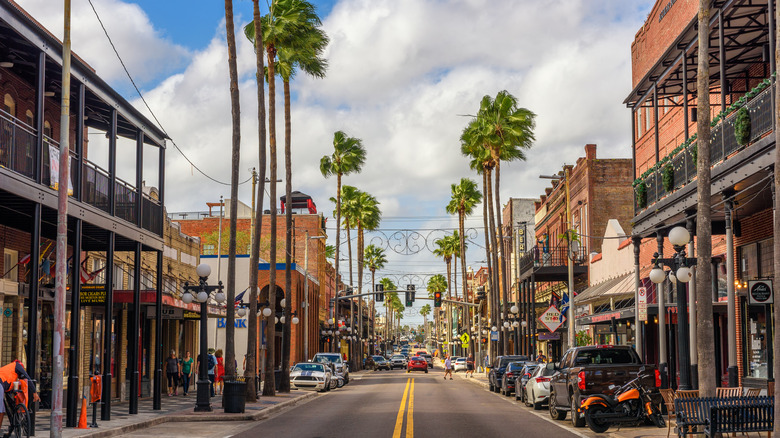
Many people come to Tampa for its proximity to beaches, sports, and attractions like the aquarium and Busch Gardens. But it's also home to plenty of unique and often overlooked history. Around the turn of the century, the Tampa neighborhood of Ybor City was hailed as the cigar capital of the world. Immigrants from Cuba, Spain, Italy, Germany, Russia, and other countries moved to Florida to work in factories, helping grow the city into the multicultural hub it is today. At one time, Tampa was home to over 150 cigar factories, but nowadays, just one — J.C. Newman Cigar Factory — remains.
The J.C. Newman Cigar Co., which was founded in 1895, is still operated by the same family. Tours are offered for $15 and take you behind the scenes of the factory. I knew little about cigar manufacturing before my visit, but I walked away with a new appreciation for the process, which has changed remarkably little over the past century.
Within this neighborhood, you'll also find Florida's own piece of Cuba, Parque Amigos de José Martí, which was gifted to Cuba in the 1950s in honor of its namesake. José Martí played a role in Cuba's fight for independence from Spain. Apart from exploring Ybor City, I highly recommend stopping by the Tampa Bay History Center, located on Tampa's Riverwalk. Adult tickets are $18.95, and the museum offers a comprehensive look at the region's past and the many groups that played a role in shaping Tampa today.
If you're visiting during Gasparilla Festival, do it right
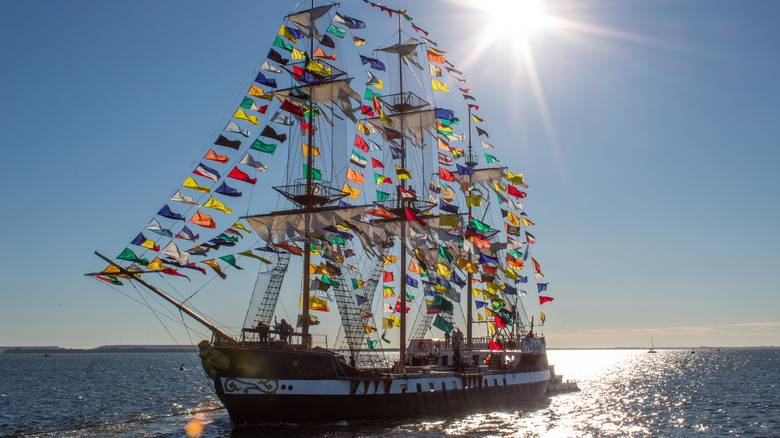
Each January, an estimated 300,000 festival attendees, clad in pirate-themed attire, flock to downtown Tampa for the annual Gasparilla Pirate Festival. Inspired by José Gaspar, an 18th-century Spanish pirate who grew his fortune capturing ships along Florida's coastline, the festival has become one of Tampa's most-loved traditions (even though the legendary Gaspar may not have actually existed).
Almost akin to Mardi Gras, in the sense that there's a parade, bead throwing, and lots of partying (just add in some pirate costumes, and a pirate "invasion"), the biggest unwritten rule visitors should keep in mind is to be courteous to locals. Don't litter on the ground or in the water, only drink in designated areas, and be mindful of private property. "Be respectful of the fact that you are in someone's neighborhood ... make relatively safe choices, and recycle your beads," said a local in an r/Tampa thread from a few years ago. As a major event, it also requires planning, from booking your hotel early to figuring out transportation and parking. And be sure to lean into the theme, and don't forget your pirate apparel. On the other hand, if you hate massive crowds and events with lots of drinking, you're better off planning your visit for another time. Tampa also has several other pirate-themed attractions, if you're still looking to get your pirate fix, minus the party.
Don't skip the local beers
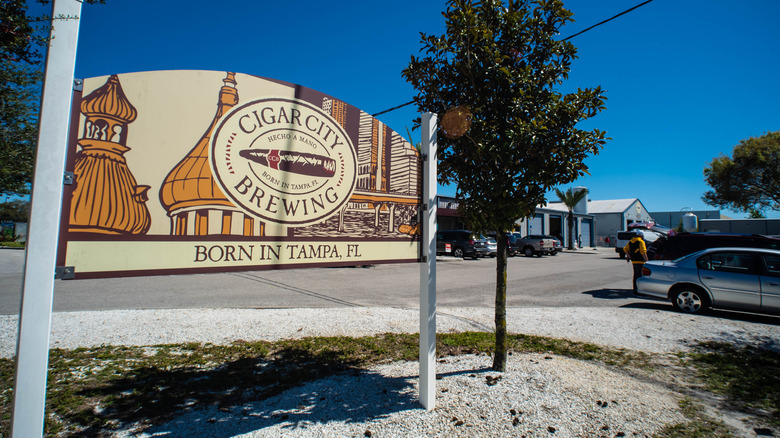
If you're a beer drinker, you're in for a treat. Tampa is known as the craft beer capital of Florida, with a deep-rooted beer culture dating back to 1896, when the state's first commercial brewery, Florida Brewing, opened its doors in Ybor City. With over 100 craft breweries in the Tampa Bay area — the largest concentration of craft breweries in Florida — you have no shortage of choices.
But Cigar City Brewing is one of Tampa's most popular, with a 4.6 Google rating. Founded in 2009, Cigar City offers more than 20 beers on tap, including signature options like the citrus-flavored Jai Alai IPA, alongside a kitchen serving Tampa-inspired dishes. BarrieHaus is another local favorite focusing on a 150-year-old family brewing tradition and a largely German lager-centered beer menu. Magnanimous, another highly rated brewery, has two different Tampa locations serving an array of hoppy IPAs, plus sours and light and dark beers. Its Seminole Heights location also features arcade games and pinball.
Rent a car — but be prepared for the roads (and drivers)
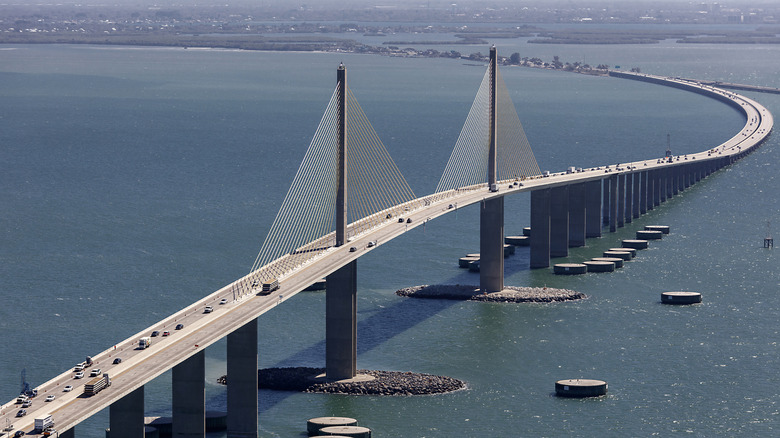
Tampa offers charming and walkable neighborhoods like Ybor City and downtown. But for exploring more of the city, not to mention visiting Tampa's surrounding beaches, having a car will add flexibility and ease to your trip. However, there are a few things to keep in mind before you get out on the road. Florida has over 700 miles of toll roads — the most of any state — and a growing number of them are cashless, like the Sunshine Skyway Bridge, which runs across Tampa Bay. If you're looking to get the lowest price for your car rental, skip prepaying for tolls and instead opt for a SunPass, which can be purchased from CVS, Walgreens, or Publix. Rather than paying an inflated convenience fee to your rental car company, you'll pay just a $1.16 toll rate.
Once you're on the road, like anywhere, Tampa also has its share of driving quirks to note. Drivers tend to be aggressive, and left turns, as well as weekend traffic, can sometimes make driving a challenge. "Turn signals are a signal of intent, not an ask for permission," said one Reddit user in r/Tampa. "Do not flick it on until after you begin making your move or you'll be blocked intentionally." Although I can't attest to this myself, many Redditors also note that speeding is common.
Take the historic trolley
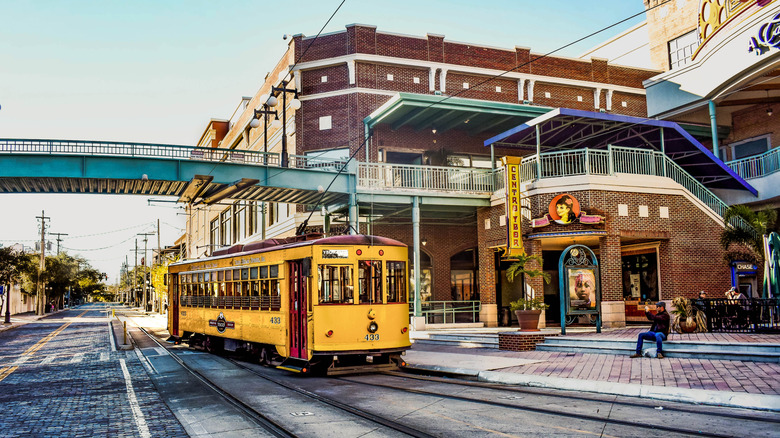
Although a car will improve your overall trip, there are certain pockets of Tampa where you can — and should — opt for a much more charming mode of transportation instead. Tampa's historic streetcars were initially launched in 1892, and by the 1920s they were transporting millions of passengers around the city. The streetcars were retired in 1946 in favor of cars and buses, then were reintroduced in 2002. Now, Tampa's bright yellow trolley connects areas like Ybor City with Florida's most dazzling riverwalk, which offers plenty of sightseeing alongside picturesque views. You can also take the trolley to Tampa's glitzy business district, the Channel District, where you'll find waterfront dining and sites like the Florida Aquarium.
Perhaps most notably, the trolley is free to use and operates seven days a week — every 15 minutes. I admit that I often struggle with public transportation when traveling, but even I found that the trolley was easy to navigate. You can check out the list of stops and schedules on the TECO Line Streetcar website, along with a live map.
The best local beaches are outside of Tampa
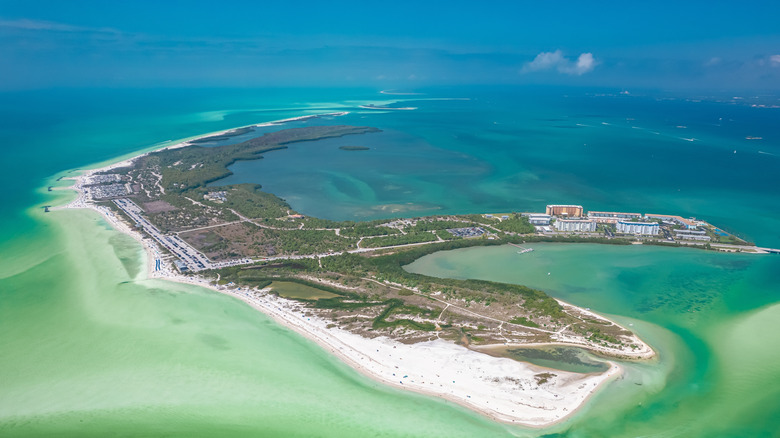
Tampa is a coastal destination, but that doesn't mean it's a beach destination. There are technically a few beaches inside Tampa, such as Ben T. Davis Beach, which has a 4.2 Google rating. But since Tampa sits on the bay, you won't find the white sand and warm beaches that you may be envisioning. However, you don't need to travel far for a postcard-worthy beach vacation. St. Petersburg, home to award-winning beaches and a vibrant downtown, is just under 30 miles away. Plus, you'll also find artsy attractions and top-notch eateries, like the 4.5 Google-rated Harvey's 4th Street Grill, which has been around since 1984 and serves dishes like bacon-wrapped grouper and blackened salmon sandwiches. Clearwater Beach is another popular choice, just 45 minutes or so outside Tampa. Just note that it has a reputation for crowds, and traffic and parking can be a challenge.
For fewer crowds, you'll also find more under-the-radar beaches close by, including Indian Rocks Beach, Treasure Island, Fort De Soto Park, and Honeymoon Island State Park, all of which are around 40 to 45 minutes outside Tampa. The latter was even ranked one of America's best beaches in 2026, offering 4 miles of white-sand beach, wildlife, and an untouched pine forest.
Consider the weather before you plan your trip, and prepare accordingly
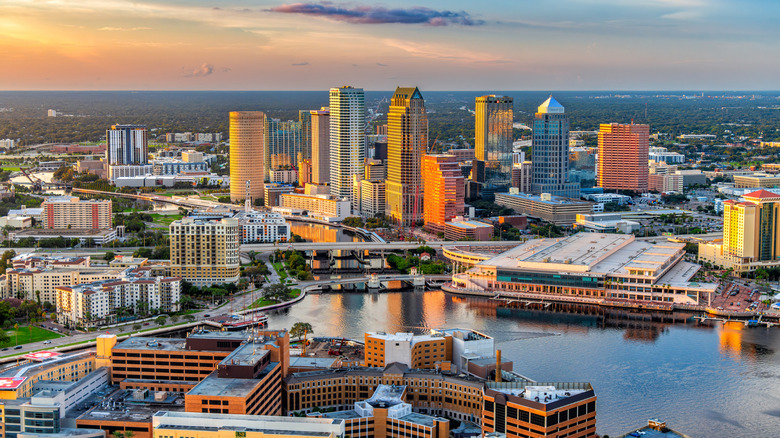
Tampa has a subtropical climate, which means that it has two seasons: a hot, rainy season running from May to October, and a dry season between November and April. As a result, September through December is generally considered the best time to visit for weather and fewer crowds. But just note that hurricane season runs through the end of November, so if you plan your trip for this time, be sure to take precautions like confirming refund policies with your hotel and following weather updates.
If you opt for a visit during the wintertime, temperatures can range from the 50s to 70s, so bring a light jacket, and know that it may be too cool for sunbathing or swimming. On the flip side, if you're willing to brave the heat, humidity, and rain of the summer, you're likely to find lower hotel prices as well as fewer crowds. Regardless of when you visit, pack a sweater, as air conditioning can be intense indoors, as well as sun protection.
Use the proper names
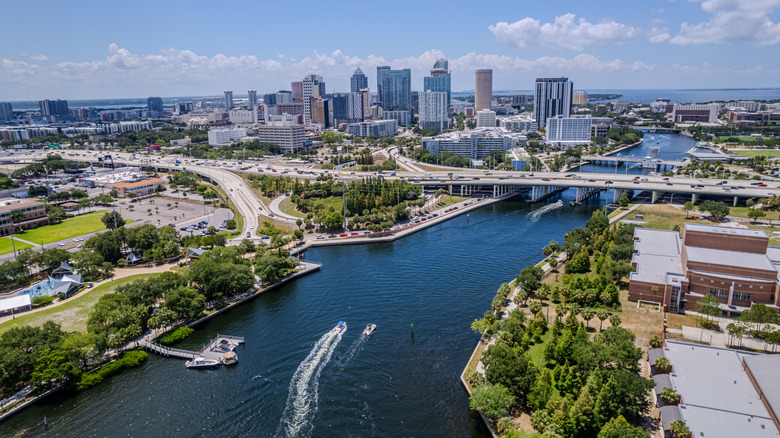
It may sound obvious, but if you don't want to get on locals' bad sides, avoid flubbing the names. The city of Tampa is exactly that — not Tampa Bay, which refers to the body of water, as well as the entire region, encompassing not only Tampa, but Clearwater, Sarasota, St. Petersburg, and numerous other cities. On the topic of St. Petersburg, the correct abbreviation is "St. Pete," not "St. Pete's," a frequent mistake that is sure to annoy some locals.
And while we're at it, the beach you see here isn't actually the ocean — if you're right in Tampa, it's the bay, but if you venture out into the greater region, you'll reach the Gulf. The ocean can be found all the way on the East Coast of Florida, but on the Gulf side is where you'll find white, sugary sand and generally calmer, warmer waters. Plus, "the sunsets in (the) Gulf are absolutely incredible though, way better than Atlantic sunrises," according to a Reddit user in r/Florida. Along with getting the names and water terminology right, be aware of pronunciation. Ybor, Tampa's historic neighborhood, for instance, is pronounced "ee-bore," after Vicente Martínez Ybor, who founded Ybor in the late 1800s as a cigar factory city.