
12 Biggest Things That Surprise Tourists Visiting The South
We may receive a commission on purchases made from links.
Ask anyone to describe the American South, and you'll likely hear a familiar list of references: sweet tea, Spanish moss, fried chicken, country music, etc. There's some truth to those images, but they barely scratch the surface of a region that encompasses 16 states plus Washington, D.C., extending south of the the Mason-Dixon Line and Ohio River. Whether you're planning a first trip to Nashville, a long weekend in Charleston, or a road trip through the bayous of Louisiana, the South has a way of defying expectations, and visitors often find that the reality looks quite different from what they imagined.
From the surprisingly diverse food and the sweltering summer heat to the real-deal Southern hospitality and the unhurried pace of daily life, there's plenty of things that tend to catch first-time visitors off-guard. A few things are worth knowing before you go, whether it's the weather, the local rules, or the customs that shape the everyday routines of the locals. Before you book that flight or pack the car, here are 12 things to know before visiting the South. We used some personal experience from visiting the region, along with research — primarily using sources like other travel publications, as well as local opinions via Reddit — to compile this list.
Food is regional, not just 'Southern'
It's no secret that food is one of the main attractions when you visit the South. Before arrival, many visitors tend to picture plates filled with fried chicken, macaroni and cheese, and buttermilk biscuits. While you can certainly find those dishes throughout the South, there's also so much more to Southern cuisine. In fact, food will differ largely depending on where you go, with different renditions, dishes, and even cuisines reigning supreme in different corners of the region.
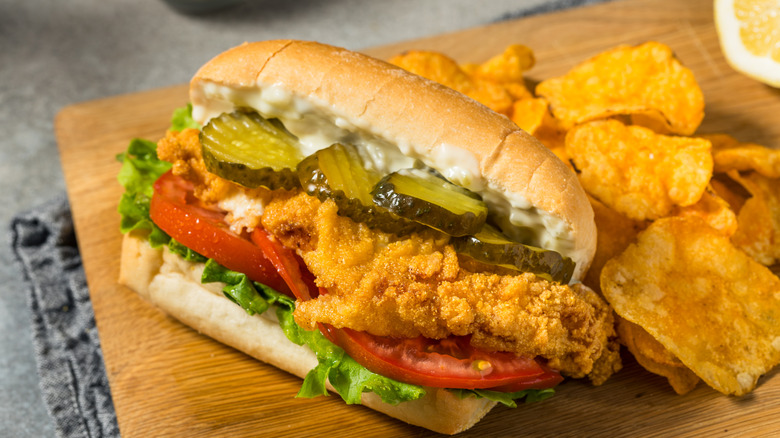
New Orleans — recently dubbed America's best food destination by Yelp and Lyft — has a plethora of unique food traditions, for example, thanks to its Creole and Cajun influences. There, dishes like crawfish étouffée, gumbo, and po'boy sandwiches are all must-tries. In places like Tampa or Miami, Florida, you'll probably want to try the legendary Cuban sandwich, along with other Cuban and Spanish dishes.
Even something as simple as barbecue can diverge across state lines (or even city to city). In eastern North Carolina, for example, whole hogs cooked with just a simple vinegar and pepper is the norm, while in the western part of the state, shoulder, ribs, and pork butt are topped with a sauce made from vinegar, peppers, and sugar. In east Texas, meanwhile, pork and beef are wood-smoked, and often served on a bun with either hot sauce or sweet and spicy tomato-based sauce. Don't assume that Southerners only eat casual comfort food, either. Fine dining, farm-to-table, and Michelin Guide-recommended establishments can be found throughout the region, particularly in big cities such as New Orleans, Atlanta, and Charleston.
The weather is volatile — and summers are hotter than you realize
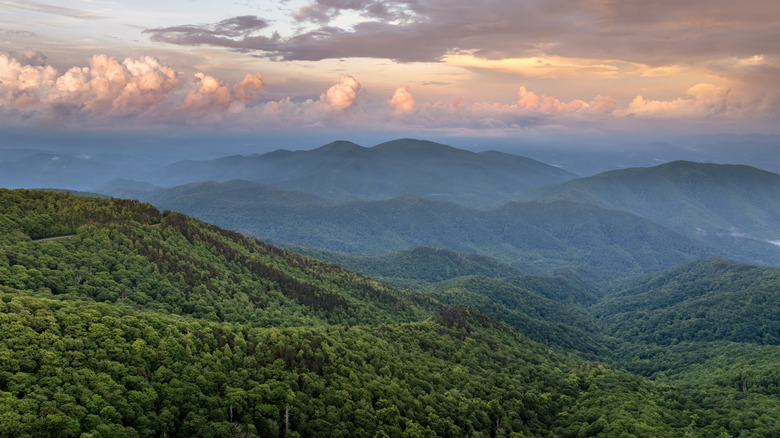
Heat and humidity are both extreme in the summer, so be prepared if you visit during this time. In many parts of Texas, for example, summer temperatures can typically climb above 100 degrees Fahrenheit. In Louisiana, meanwhile, temperatures are typically in the 80s and 90s, although intense humidity levels can make it sometimes feel closer to 120 degrees. This, however, doesn't mean you should absolutely skip a summer visit to the South — in certain places, it may mean more affordable hotel rates, while some destinations like Asheville, in North Carolina's Blue Ridge Mountains, or Virginia's Shenandoah National Park will offer more tolerable temperatures. But, you should know what to expect, and prepare accordingly.
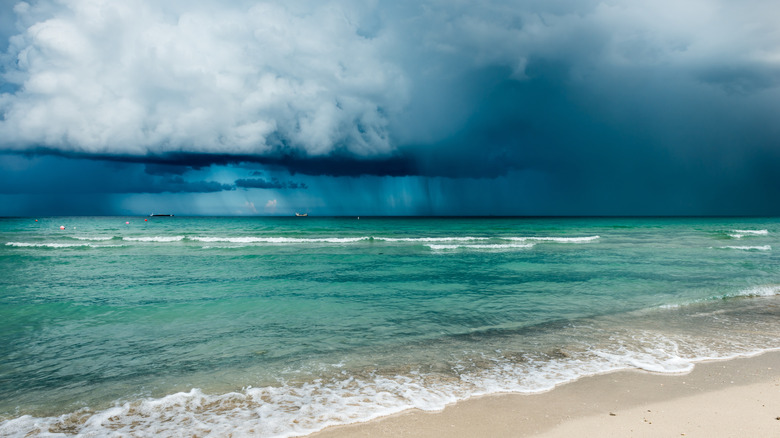
Apart from heat, weather across the region can generally be more variable than many tourists anticipate. From June through November, hurricanes can be a problem throughout the South, while certain places like Florida, central Texas, Tennessee, and the Gulf Coast area can even deal with tornadoes. And if you're visiting during the winter, don't assume you'll completely bypass the cold. If you're planning a visit to one of America's most unique national parks in Hot Springs, Arkansas, for example, winter temperatures can fall into the 30s, with wind chill making it feel even colder.
The nature is diverse
If Spanish moss and rural pastures come to mind when you picture the South, you're not alone. And while there's an element of truth to that stereotype, with plenty of underrated mountain towns and stretches of farmland across the region, it's also far from all there is. For fans of the outdoors, the South is brimming with unique experiences, depending on what you're seeking.
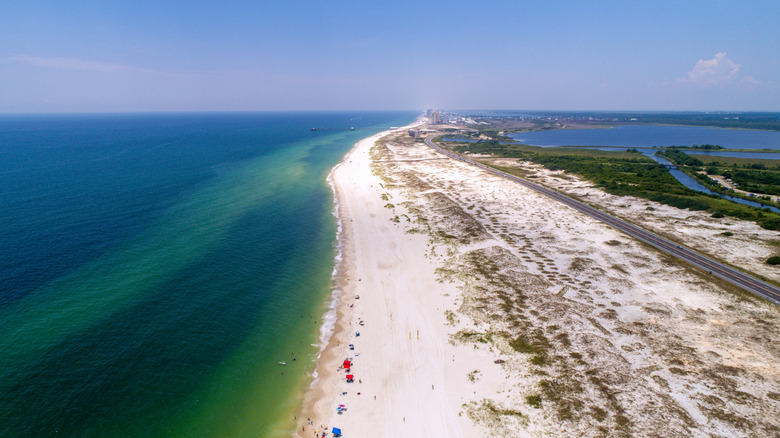
Beach lovers shouldn't skip exploring the underrated and gorgeous Gulf Coast towns across Alabama, all with pearly white sand and warm, gem-toned water. Arkansas, meanwhile, has hundreds of stunning scenic waterfalls, from the towering 209-foot Hemmed-in Hollow Falls to the Twin Falls — a pair of cascades that run into a turquoise swimming pool. For wildlife-seekers, there are few better places to visit than Florida's Everglades National Park, an UNESCO World Heritage Site that's home to many endangered species and trails. Louisiana's swamps and bayous, for their part, are also teeming with wildlife, from the American alligator to dozens of bird species — not to mention plants like 1,000-year-old cypress, lily pads, and, yes, Spanish moss.
Southern hospitality is a real thing
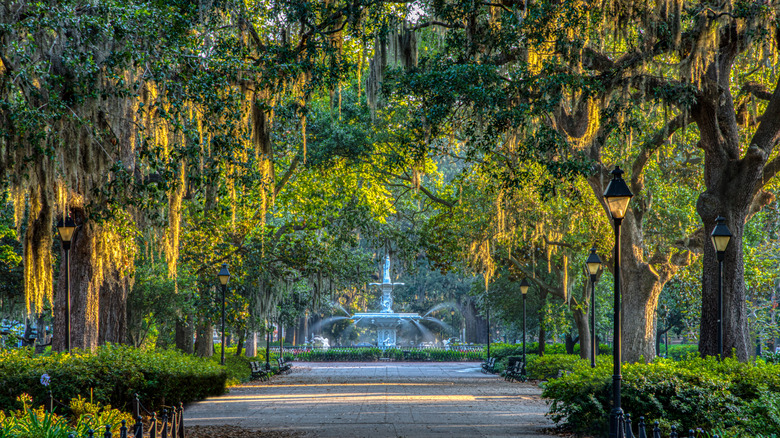
If traveling to the South from different parts of the United States or even different countries, one of the quickest things that may stand out to you are the difference in manners. Tracing back to the 19th century, many Southerners to this day employ a somewhat old-fashioned understanding of etiquette, from keeping elbows off the table at dinner time and taking hats off when indoors, to greeting strangers on the street. Don't be alarmed when you inevitably get called "sir" or "ma'am," either — in the South, that's just good manners.
In fact, it isn't uncommon for strangers to use terms of endearment, like "honey," "sugar," "sweetheart," and so on. Don't read too much into this. "It doesn't really mean much other than I don't hate you," said one Reddit user in r/Etiquette. Apart from a strong emphasis on politeness, traditional Southern hospitality also prioritizes generosity and overall neighborliness — especially when it comes to food.
Liquor laws vary
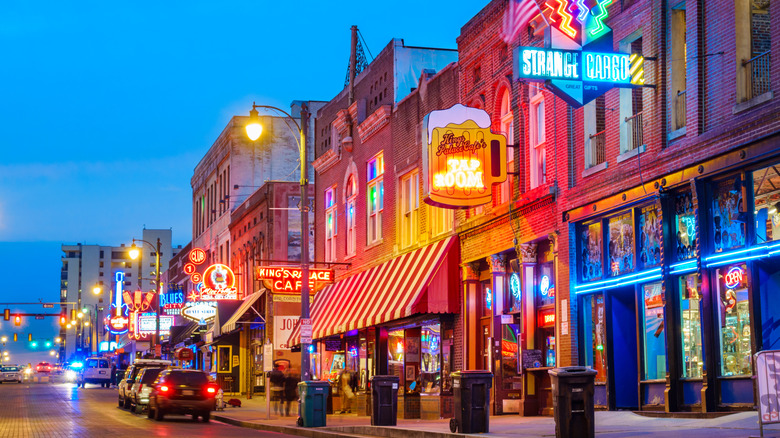
In cities like New Orleans, an essential city for cocktail lovers, alcohol is deeply intertwined with socializing, celebrating, and relaxing. In other places across the South, you'll find deep roots in alcohol production, such as Kentucky's Lawrenceburg, known as the "Distilling Capital of the World," or Texas Wine Country. A number of cities even employ open container laws, meaning that in certain areas, such as New Orleans' French Quarter, Savannah's historic district, and Memphis' historic Beale Street — a must-visit for music lovers — you can freely walk around with a drink in hand.
On the other hand, other areas of the South may employ much stricter liquor laws than you may be used to. In a handful of states, grocery stores are restricted to selling only beer and wine, with some counties completely prohibiting alcohol sales on Sundays. In Mississippi, which was the last state to repeal its Prohibition-era laws, 34 counties still elect to prohibit sale of hard liquor. To make it more complicated, some individual cities within those counties do opt to allow alcohol sales. In short, don't assume you know the laws before visiting a new city in the South.
Things may move at a slower pace
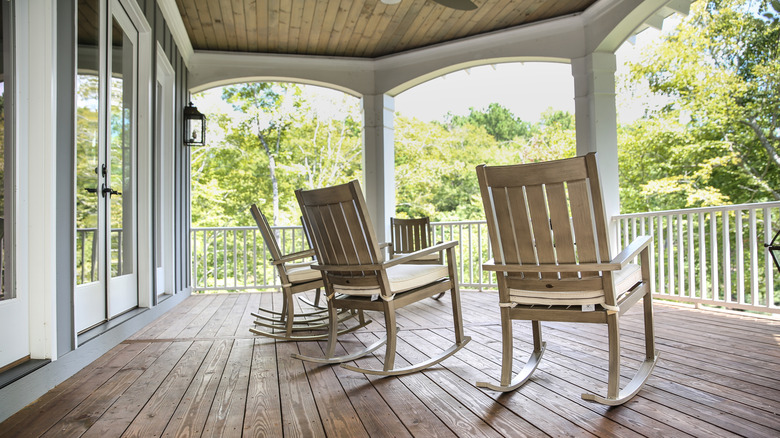
When you visit the South, be ready to take things a little slower than you might be used to. While it can be an adjustment for visitors, particularly if they're coming from a place like the northeast, a combination of intense heat and subsequent cultural norms mean that people tend to walk at a more leisurely pace, being late is generally more acceptable during certain social situations, and even conversations can move slower. Of the 10 slowest-talking states, eight are found in the South, according to an analysis by Preply, a language learning company. "It's nothing to do with intelligence," said one Reddit user in r/StupidQuestions. "They just take their time a little more, and there's really nothing wrong with that."
It's not just the actual pace of speech, but also the way that conversations flow. Although small talk and general chattiness is certainly not exclusively Southern, it is generally more common. "You could easily chat for 30-45 minutes before even realizing you don't know each other's name," said one Redditor from Mississippi in r/AskAnAmerican. "We'll talk to anybody down here with no hesitation."
You will probably need a car
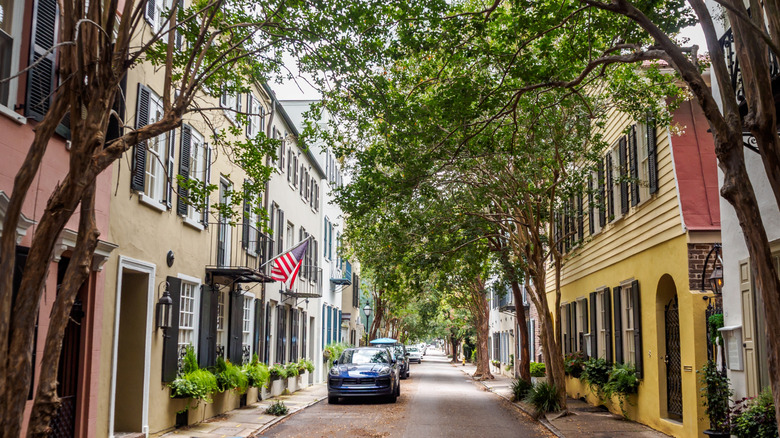
Now, it's important to note that this is not a hard rule. There are a number of charming and walkable downtowns across the South, from Beaufort, South Carolina to Eureka Springs, Arkansas, and even large cities like Atlanta are somewhat doable without a vehicle (if you plan to just stay in certain areas like downtown, mind you). In many cases, especially if you plan to also explore surrounding areas, it's best to consider renting a car for your travels.
As is true across most places in the United States, public transportation infrastructure is sorely lacking. And many attractions and cities tend to be spread out, especially when you consider all of the rural areas that span the South. In Charleston, for example, you'll find a walkable historic core. But to visit nearby places like Sullivan Island, known for its award-winning eateries and pristine beaches, a car will be needed, and taking an Uber isn't always cost-effective or the most practical.
Football culture is huge
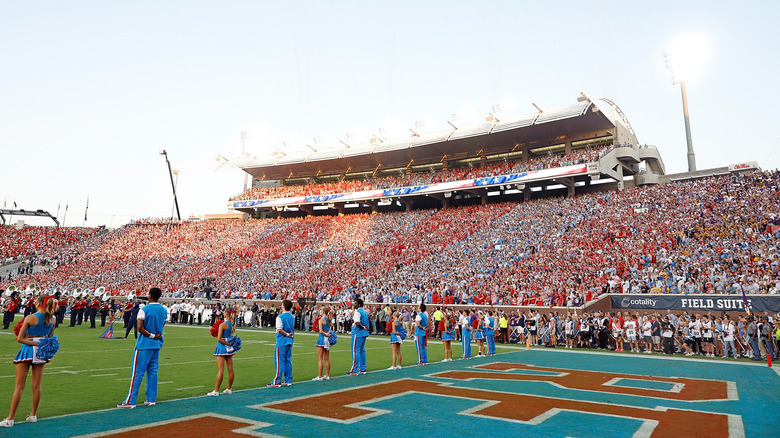
If you've ever seen the acclaimed football drama "Friday Night Lights," you probably know that it took place in a small Texas town, where football and local culture were practically synonymous. As many people who've spent time in the South will tell you, that depiction wasn't at all an exaggeration — football can truly bring together the whole community. "The whole region comes out to watch these games. They're tied to it," explained one Reddit user in r/AskAnAmerican. "You have a real sense of pride about your team because [they] represent where you're from, or where you went to school."
With that said, Friday night high school games, Saturday college games, and Sunday NFL games are part of many locals' routines, typically from late August through December, with the professional season extending until February. So, especially if your travels take you to a college or university town, prepare to get involved in the festivities. It's well worth taking part in the fun, whether it's watching from a local bar, or tailgating. Just familiarize yourself with any rivalries that exist, and know that fans can take them quite seriously. "Wear the right colors and everybody is your friend," said another Reddit user in r/NoStupidQuestions.
The music is diverse (and it's not just country)
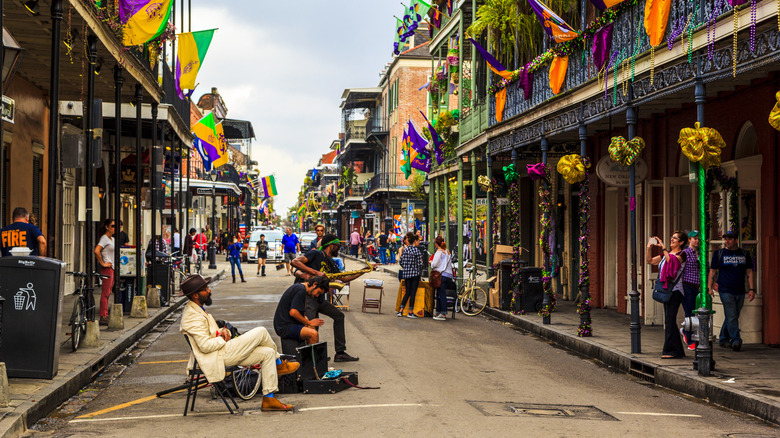
It's not only sports that brings Southerners together. Music is also a large part of local culture — and that doesn't just mean country. Blues, soul, jazz, rock, and gospel all also have deep roots in the South — not to mention many prominent musicians and bands of all genres hail from this region, ranging from Ray Charles and Nina Simone to Dolly Parton and Beyoncé.
There are plenty of ways to experience the South's rich musical legacy, from driving along Mississippi's scenic byways with deep music history, to visiting jazz clubs in New Orleans, the birthplace of the genre, and exploring blues venues and musical museums in Memphis. And if you are looking for country music, there are few better places than Nashville, where you'll find places like the Honky Tonk Highway, a corridor lined with music venues. Even in small towns, you're likely to find a strongly rooted music culture. Clarksdale, Mississippi, which has just 13,400 residents, is lauded for its year-round live music performances. The Appalachian town of Floyd, Virginia, meanwhile, has a population of less than 500, but still boasts a booming arts scene, with places like the Floyd Country Store, known for its long-running Friday Night Jamboree, and a lineup of music throughout the week.
The Bible Belt is real
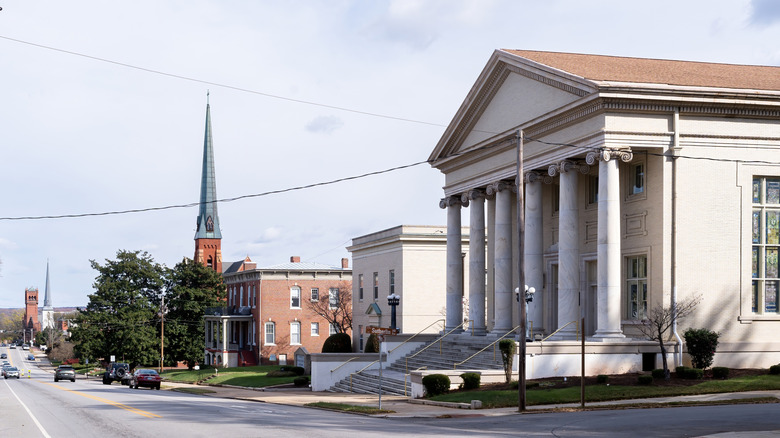
The South has long been a region shaped by Protestant Christianity — so much so, that in the 1920s, the term "Bible Belt" emerged to describe the region's religious fundamentalism, and its influence on politics, education, and social conventions. Although religiousness has seen a decline throughout the country since then, Southerners continue to be the most religious group in the United States, per Pew Research Center. According to the study, 68% of Southerners identify as Christian.
"The little town I grew up in had two red lights, 2,000 people and 30 churches," said one Reddit user in r/AskAnAmerican. As for what this means for your visit to the South, it's more than likely that you'll see a large number of churches, not to mention massive roadside crosses, and even religious billboards, which first came about in the 1970s. Just remember — "Please don't ridicule religion which, depending where you go, will be ubiquitous," warned one Redditor in r/Etiquette. "It's the Bible belt and even many of our atheists come from deeply religious families and it can be a sensitive topic."
It's also important to note that the South is not a monolith, and your experience visiting can differ depending on where you go. The region is also home to a number of the most LGBTQ+ friendly small towns in America, such as Eureka Springs, Arkansas, and Blue Ridge, Georgia, and the South as a whole is becoming more diverse in many different ways. Go into your visit to the South with an open mind — you may be surprised.
The culture is more multi-layered than you think
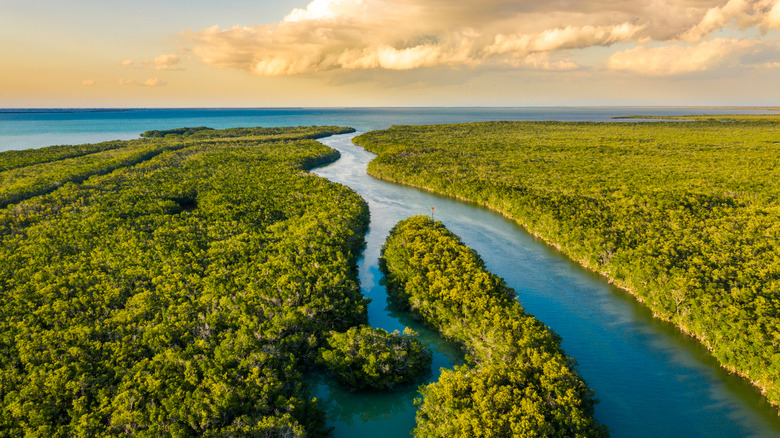
Spanning across many states, and with a blend of various Indigenous, African, and European influences and unique histories, Southern culture doesn't take just one form — so, again, try to go in without any preconceived notions, and be open to learning about its numerous communities. Appalachian mountain towns, for example, were largely influenced by Scotch-Irish settlers and its geographic isolation, so they also have one-of-a-kind musical traditions, folklore, and even distinct dialects — making them feel vastly different culturally from, say, the Creole and Cajun-influenced Louisiana. Taking inspiration from French, Spanish, African and Native American heritage, Louisiana is best experienced through its food and festivals such as Mardi Gras, which, in rural areas, is celebrated with unique customs like going door-to-door to acquire gumbo ingredients, and a chicken chase. In places like Miami, meanwhile, which is 71.5% Hispanic, you'll find Spanish newspapers and television shows, hear reggaeton, salsa, and merengue, and can visit vibrant neighborhoods like Little Havana.
If you visit South Carolina's Lowcountry, you can learn about the Gullah Geechee community, descendants of enslaved Africans who have developed their own distinct culture, language, and artistic practices, by visiting the International African American Museum, or taking the Gullah Heritage Trail Tour on Hilton Head Island. In Texas, you can experience rodeos, ranches, and vaquero culture, which stems from historic Mexican and Spanish cattle-herding practices. Head east into Florida's Everglades, and there's the Big Cypress Seminole Indian Reservation — there, you can visit the Ah-Tah-Thi-Ki Museum to see over 200,000 pieces of art work and artifacts detailing the tribe's culture and legacy.
And the same goes for Southern history
As we've mentioned, the South's history is complex and diverse. There's certainly a darker past, and in some ways, the South is still coping with the lingering effects of centuries of slavery and segregation. Visitors should prepare to potentially see Confederate flags, especially if driving through rural areas — or even along a major highway. While some steps have been taken to remove or modify Confederate monuments, war memorials that honor the Confederacy aren't uncommon, nor are former plantations that romanticize the past.
That said, the South's history is multi-layered, and also contains many stories of resilience. Some plantations, such as Louisiana's Whitney Plantation, center their tours on the experience of the enslaved people that lived there, rather than the former owners. Across the South, visitors can explore Civil Rights history by following the culturally significant travel project, the U.S. Civil Rights Trail. The trail runs through 15 different states, showcasing the stories behind the fight for equal rights through museums, parks, historic homes, and more.
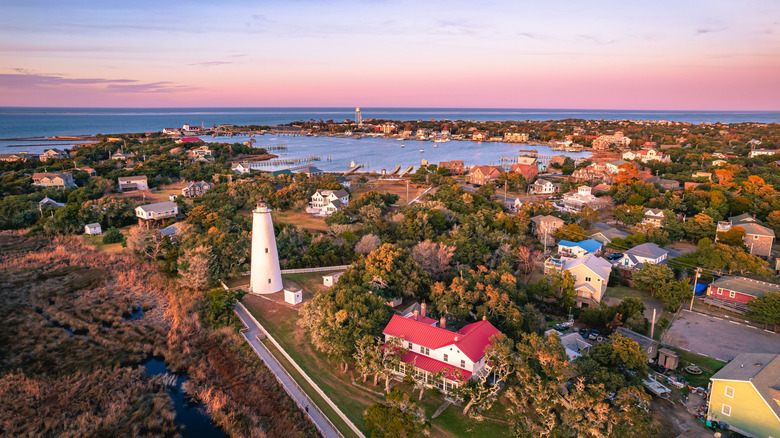
You'll also find historically significant places like Jackson Ward, a Richmond, Virginia neighborhood known as the "Harlem of the South," with a rich history of Black activism and entrepreneurship that dates back to the 19th century. There, you can learn about the neighborhood's rich past by visiting one of its numerous historic sites, such as the 1913 Hippodrome Theater, or one of its museums, like the Black History Museum, and the Valentine. Depending on where you go, you may even find more quirky sides of history — one of the Outer Banks' least-visited islands, Ocracoke, for instance, was once the headquarters of the infamous pirate, Blackbeard. You'll find numerous odes to the pirate throughout the island, from the Blackbeard's Lodge, a 1930's era hotel, and the 19th-century Ocracoke Lighthouse.